Bahía Concepción
"I stopped the car at the first overlook, meant to keep driving, and ended up staying four nights."
A long, sheltered bay south of Mulegé strung with beaches of impossibly calm turquoise water, where vanlifers and pelicans share the same stretch of sand.
Bahía Concepción unfolds along Highway 1 south of Mulegé as a series of coves so calm and so turquoise that I genuinely thought, the first time I saw it from the overlook, that someone had built an infinity pool into the desert. The bay stretches for nearly twenty-five miles, sheltered almost entirely from Pacific swell, and the water sits at a temperature that makes it one of the few stretches of Baja coastline comfortable for swimming without flinching, even in winter. Beaches like Playa Santispac, Playa El Coyote, and Playa Requesón line the highway at intervals, each with its own personality and its own loose community of long-term campers.
The vanlife culture here runs deep and has for decades — retirees from the Pacific Northwest and Canada who drive down every winter and park the same RV in the same spot for months, alongside a younger wave of overlanders in outfitted trucks and vans. I camped three nights at Playa El Requesón, where a sandbar connects the beach to a small island at low tide, and spent an afternoon walking out to it as pelicans dove for fish twenty feet away, close enough that I could hear the smack of impact each time.
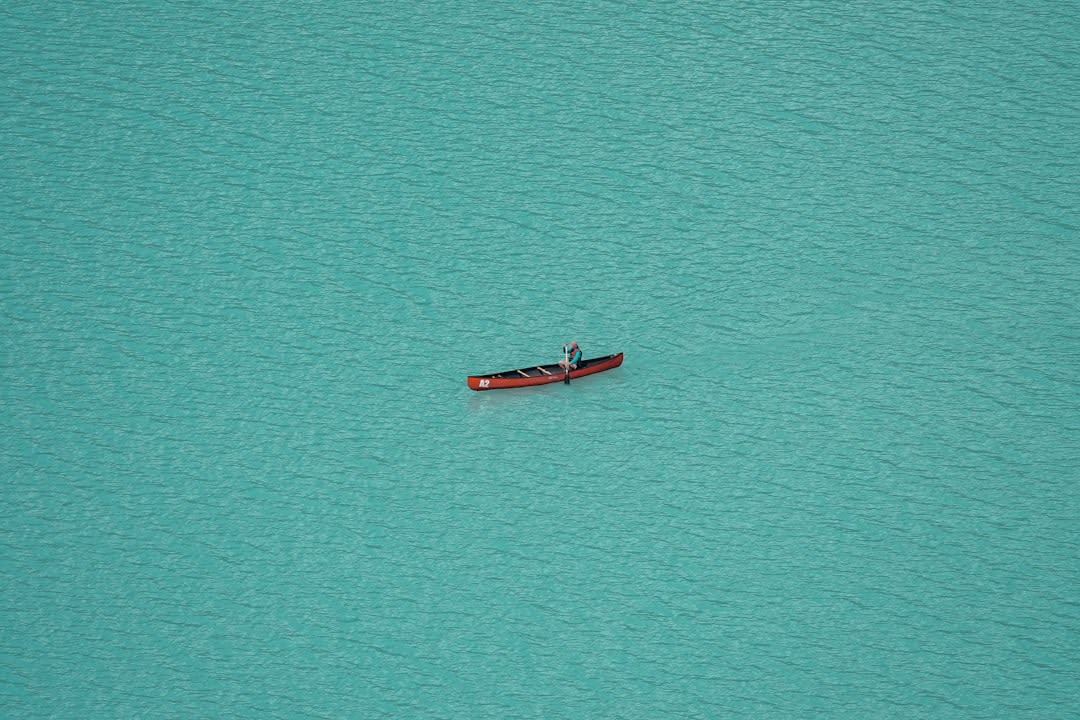
Kayaking is the best way to see the bay properly, paddling between the small islands that dot the water and pulling ashore on beaches with no road access at all. A German couple I met at Playa Santispac had been anchored offshore on their sailboat for two months, living off fish they caught and produce from the small tiendas in Mulegé, and told me they’d tried to leave three separate times before giving up and just extending their stay. By the third night I understood the impulse completely — there is a stillness to this bay, an almost total absence of urgency, that reorders your sense of how a day should be spent.
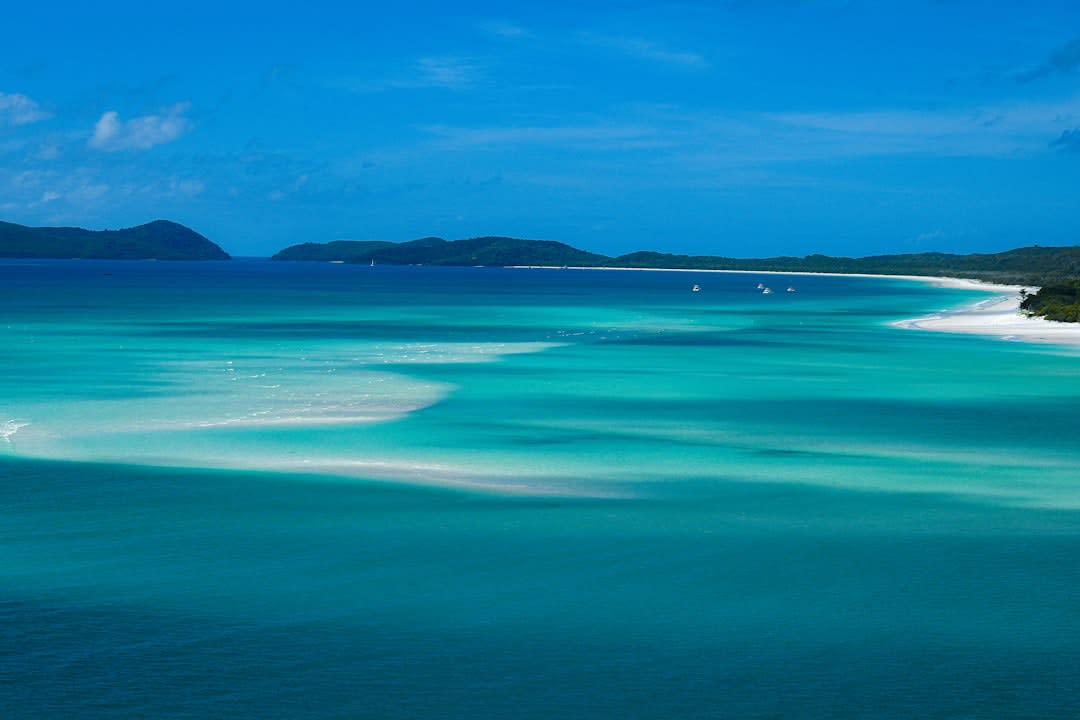
When to go: November through April for the most comfortable swimming and camping temperatures. Summer heat is intense, though the water stays swimmable even then for those chasing solitude over comfort.
Keep exploring
More from Baja California
 baja-california
 Bahía de los Ángeles
An isolated Sea of Cortez bay ringed by desert islands where whale sharks feed at the surface and the only sounds at night are wind and the occasional generator.
Explore baja-california
 Cabo Pulmo
A village without ATMs or nightclubs where the coral reef holds one of the ocean's most extraordinary recoveries — and the bull sharks do not care that you are there.
Explore baja-california
 Cataviña
A scatter of house-sized granite boulders in the middle of the Baja desert, where cardón cacti grow directly out of cracked rock and the transpeninsular highway feels genuinely remote.
Explore baja-california
 El Rosario
The last town before the real Baja begins — famous for a lobster burrito, a legendary family kitchen, and the moment the paved road stops pretending.
Explore baja-california
 Ensenada
A port city where the fish tacos come wrapped in paper, the wine country begins just east, and the Pacific is never far from anyone's mind.
Explore baja-california
 Guerrero Negro
A flat, windswept salt town on the 28th parallel where gray whales fill a lagoon of the same brine that fills the trucks rolling out of the world's largest saltworks.
Explore