A gold-and-spice bazaar behind a colonial-era gate, still run by the same families who've worked its alleys for generations.
I walked into Manama Souq through Bab Al Bahrain — the old customs gate the British built in 1949, since repainted a soft cream and looking a little like a stage set — expecting the usual tourist gauntlet of trinket shops. Instead I got fifteen minutes of just standing still, letting the place work on me. Gold shops with entire walls of bangles under fluorescent light, tailors with bolts of fabric stacked to the ceiling, a spice vendor scooping loose saffron and dried limes into paper cones with the same three motions he’d clearly made ten thousand times before. Nobody hustled me. A few nodded. That was it.
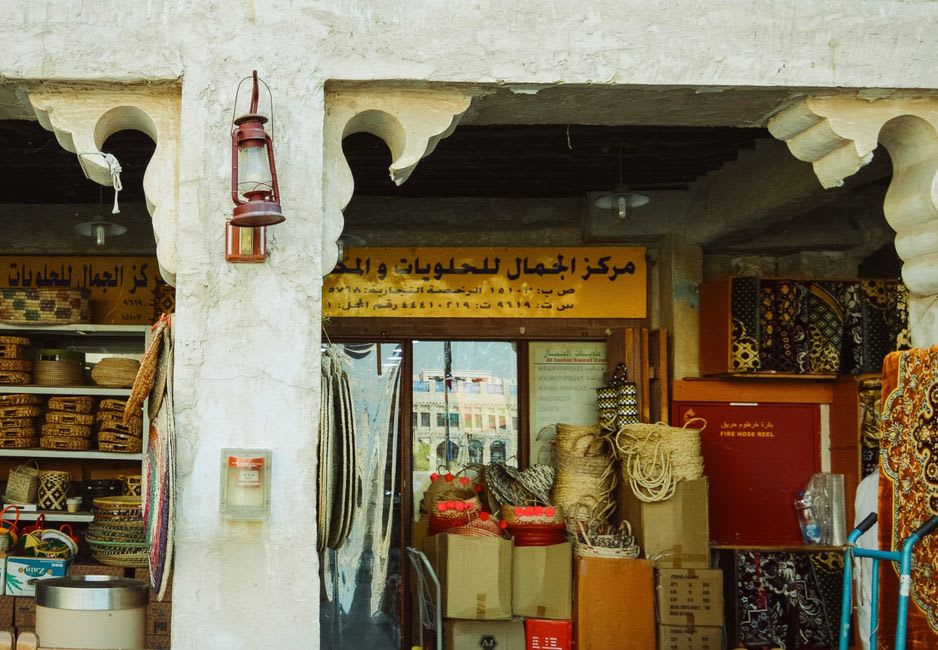
The souq isn’t one thing — it’s a grid of specialties that shifts as you walk deeper in. Gold Souq near the entrance, where Bahraini and Indian families haggle over dowry jewelry with a seriousness that has nothing to do with tourists. Further back, a spice and textile section that smells like cardamom and hot iron from the tailors’ presses. I ended up in a tiny shop that sold nothing but frankincense and oud, run by an old Bahraini man who let me smell six different grades before I bought the cheapest one, which he seemed to find perfectly reasonable.
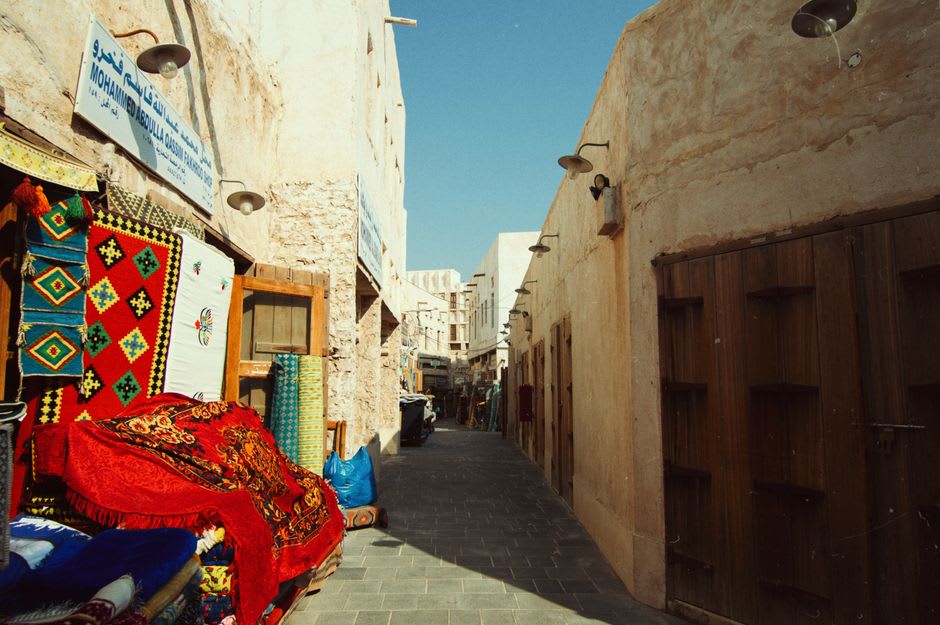
What struck me most was how unstaged it all felt at eight in the morning, before the day-trippers from the Saudi causeway show up. Porters pushed hand carts of produce past shuttered electronics stalls. A barber was already at work on someone’s beard in a doorway barely wide enough for two chairs. I bought a coffee from a stand that was really just a man and a thermos and a stack of small cups, and drank it standing against a wall watching the souq wake up around me, which felt like the actual point of coming here.
When to go: Early morning (before 9am) for the working rhythm of the place, or after sunset when the gold shops light up and the whole souq turns social. It’s dead quiet on Fridays until midday prayers finish.
Keep exploring
More from Bahrain
 bahrain
 Muharraq
The old pearl-trading capital where UNESCO-listed coral streets still feel like a working neighborhood, not a museum.
Explore bahrain
 Bahrain National Museum
A corniche-front museum that makes the case, room by room, for Bahrain as the ancient civilization of Dilmun rather than a Gulf afterthought.
Explore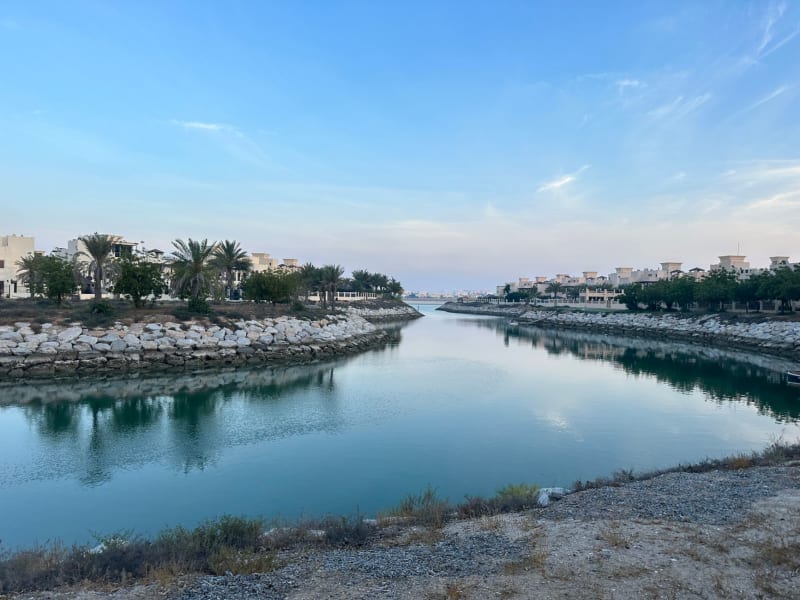 bahrain
 Qal'at al-Bahrain
A Portuguese fort sitting on top of 4,000 years of layered civilizations, at the edge of the sea, with almost no one else around.
Explore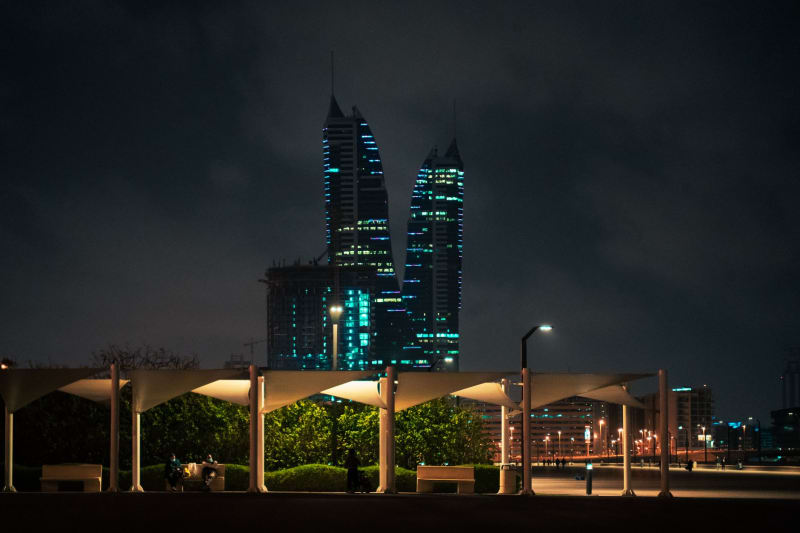 bahrain
 Riffa
Bahrain's second city hides a hilltop fort above a wadi that most visitors racing toward the Formula 1 circuit never stop to find.
Explore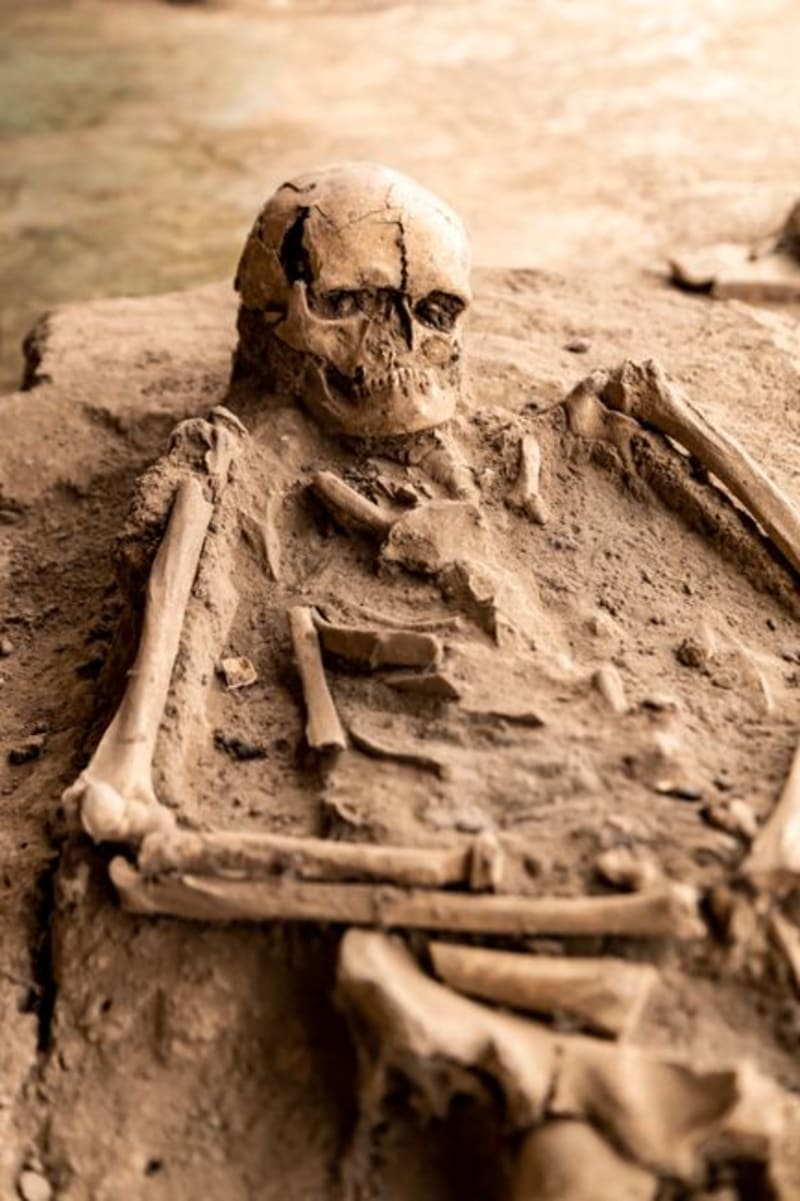 bahrain
 Saar Burial Mounds
A field of four-thousand-year-old Dilmun burial mounds sitting between a highway and a housing estate, entirely unguarded and mostly unvisited.
Explore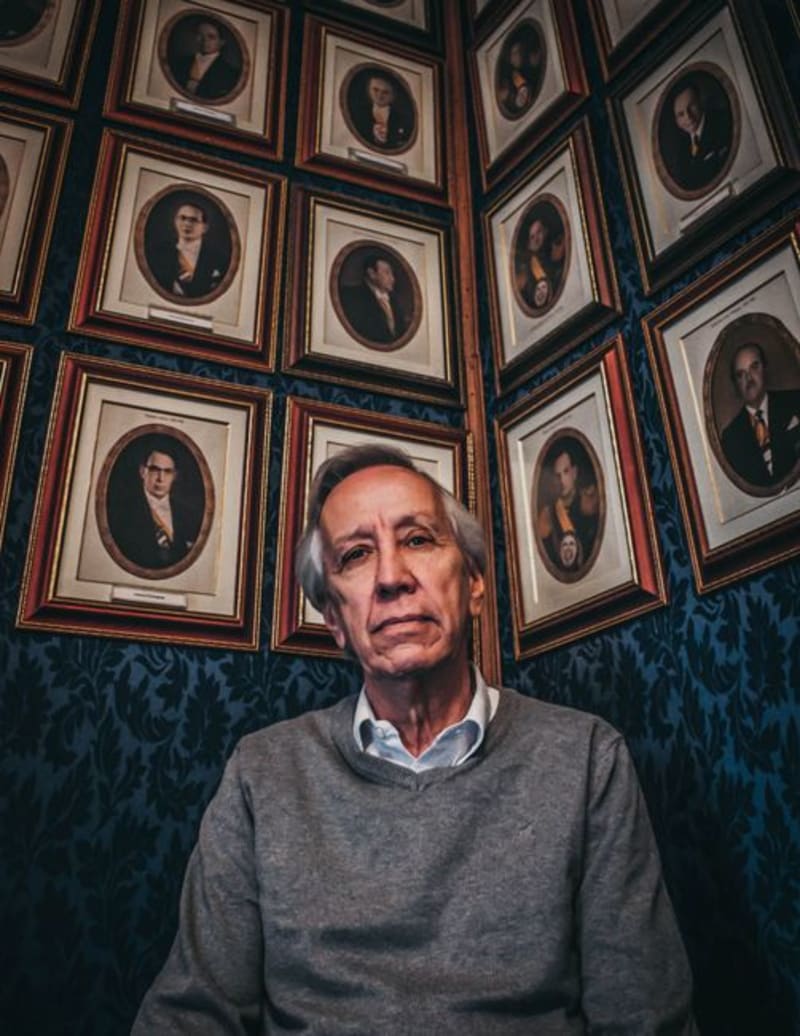 bahrain
 Sitra
An industrial island of refineries and power plants that still holds onto date groves, fishing jetties, and a working-class warmth Manama has lost.
Explore