
Porto Seguro
"The plaque that marks where Brazil officially began sits in a city that seems to have largely forgotten it."
Porto Seguro is two cities stacked on a cliff. The lower city is a beach resort of considerable enthusiasm — axé music at high volume, triplice (the three-wheeled contraption between a motorscooter and a tuk-tuk that somehow became the defining vehicle of Bahian beach tourism), caipirinhas with flavored cachaça, and the Passarela do Álcool at night, which is an outdoor strip of stalls and music and organized revelry that was exactly as exhausting as it sounds and exactly as Brazilian as it gets. I lasted one evening on the Passarela before retreating.
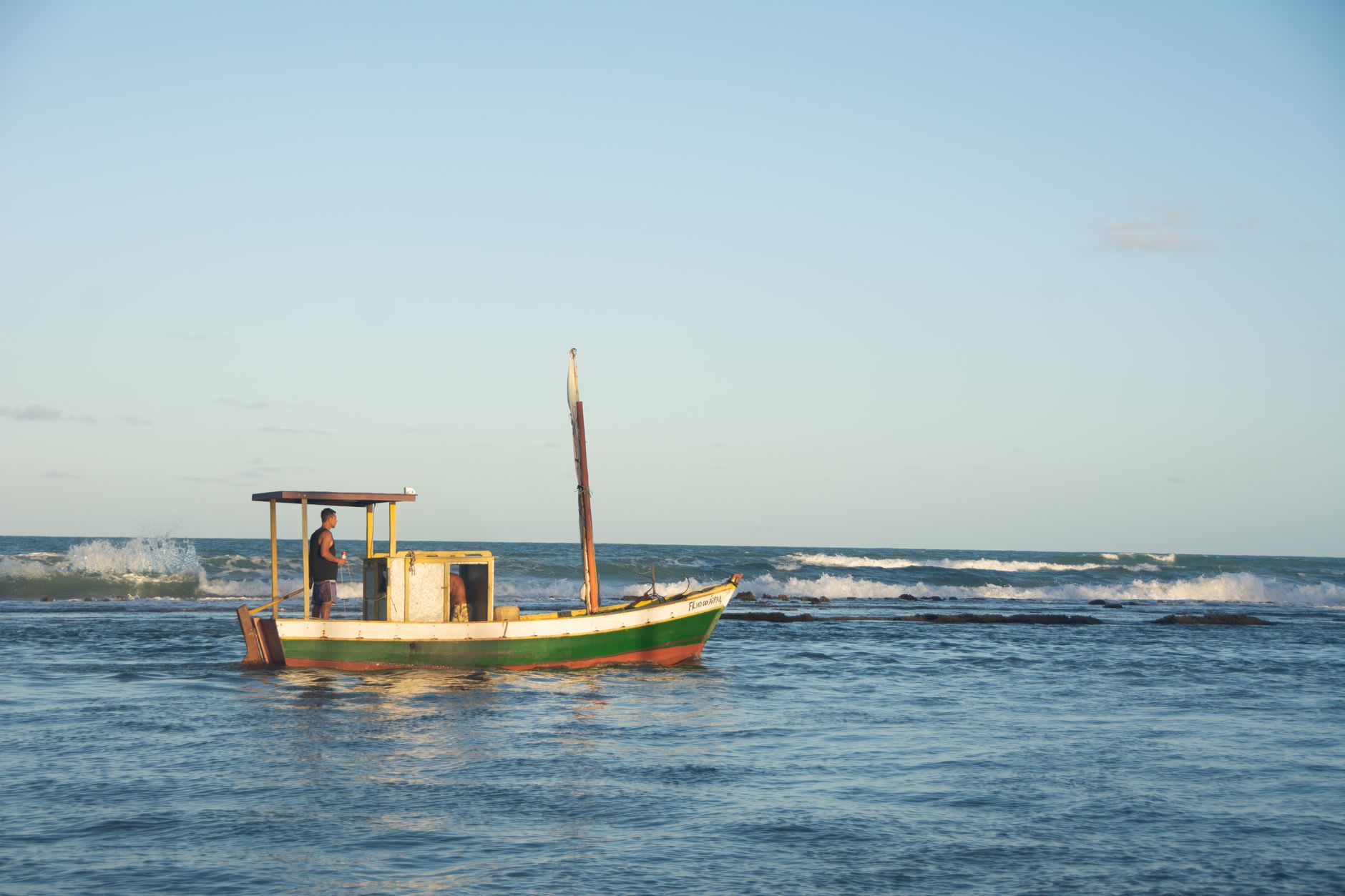
What I kept climbing back up to was the Cidade Alta — the original colonial town on the ridge above, reached by a steep road or a longer staircase of worn stone. Up here, behind a gate that you push open yourself, is the original settlement: the Igreja da Misericórdia (1526, rebuilt in 1718), the Marco do Descobrimento where a cross-shaped stone marks the first landing site, the jail that predates most European settlements in the Americas, the small museum of indigenous Pataxó culture. The views from the ridge over the mouth of the Rio Buranhém and the Atlantic coast stretch for kilometers in both directions, and on a clear morning they carry a gravity that the party city below cannot entirely dissolve.
The Pataxó indigenous community at Jaqueira, sixteen kilometers from town, deserves more attention than it usually gets. The Pataxó have occupied this territory for millennia — they were here when Cabral arrived, they were here through slavery and colonization, they are here now — and the Jaqueira community runs a village tourism project that is more complex and thoughtful than any museum exhibit. I spent an afternoon there with a Pataxó guide named Nitynawã who walked me through medicinal plant uses, traditional pottery techniques, and the history of land rights battles fought in Brazilian courts as recently as the 1980s. The colonial museum up the hill and the living community down the road make uncomfortable companions. They should.
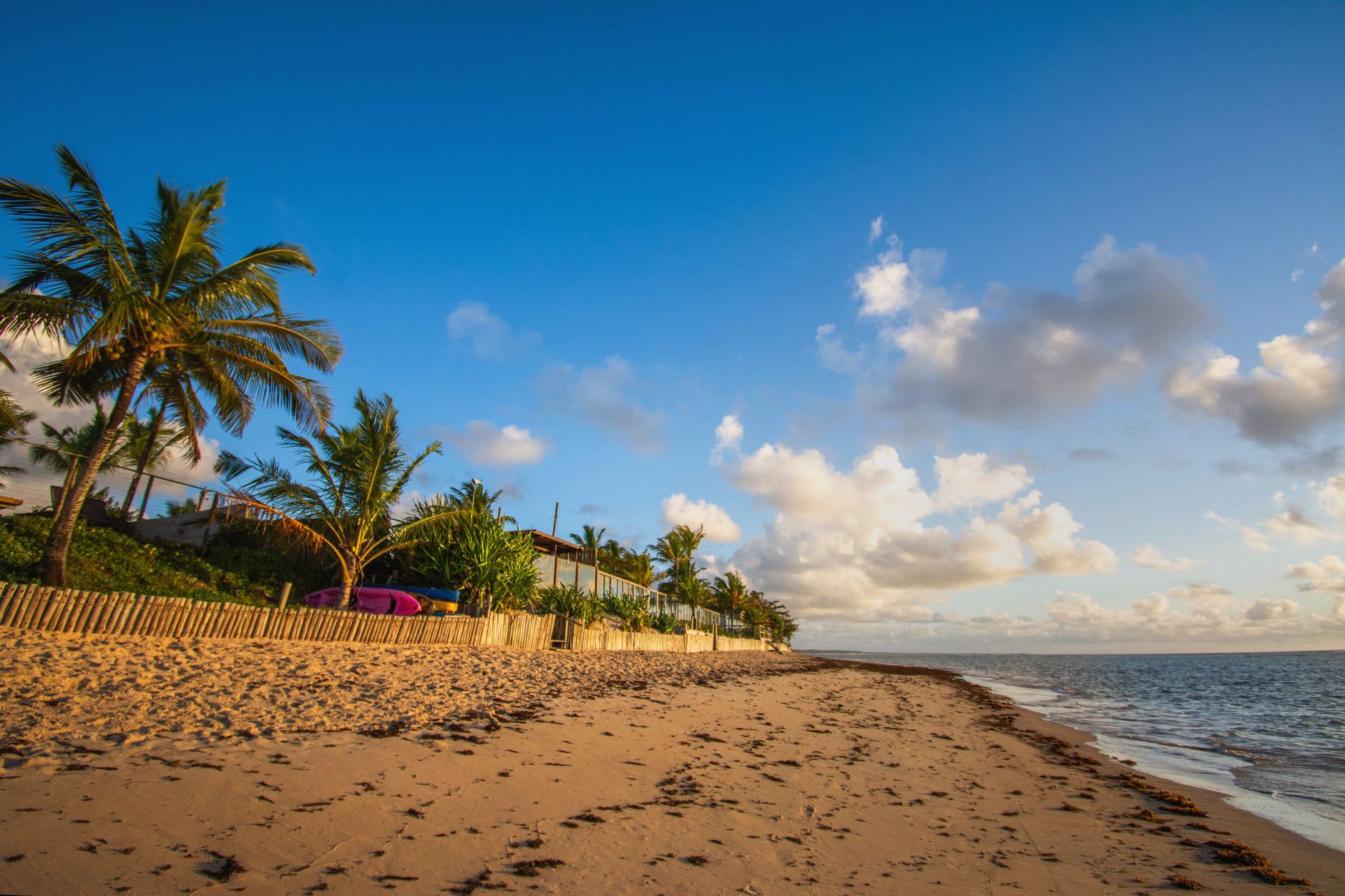
The beaches north of town at Coroa Vermelha are where, exactly, the first Mass was said in Brazil in April 1500. A large cross marks the spot. Around it: swimsuit vendors, souvenir stalls selling Pataxó crafts of variable authenticity, children selling bracelets. History is never as dignified as we would like it to be.
When to go: June through September avoids the worst of the December-March Brazilian high season crowds. The Festa do Descobrimento in April marks the anniversary of the landing and draws large crowds — interesting if you want to see how Brazil narrates its own origin story. The axé music beach party season peaks in December and January; if you want that experience, that is your window.