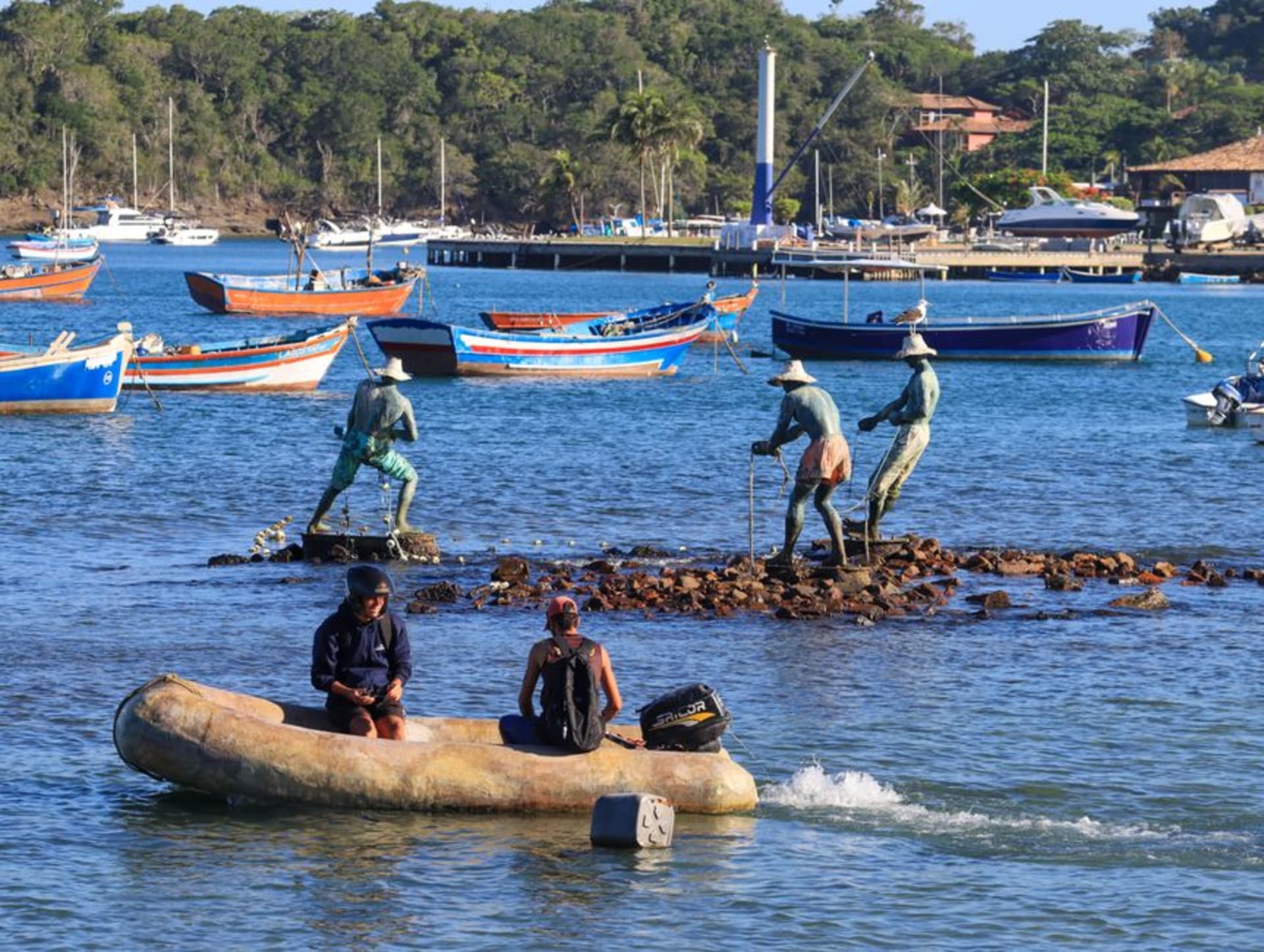
The largest island in the Bay of All Saints, where colonial forts, healing springs, and a slow ferry ride pull you out of Salvador's rhythm.
Lia spotted the ferry terminal before I did, tucked behind the taxi stand near Salvador’s old town, and she was the one who insisted we skip a car and cross the Baía de Todos os Santos the slow way. I’m glad we did. The crossing to Ilha de Itaparica takes about fifty minutes, and I spent most of it leaning on the rail with a coconut water, watching Salvador’s skyline shrink into a smudge of white and terracotta. There’s also a bridge route now, part of the newer road network connecting the bay, but taking a car felt like missing the point entirely. The island announces itself slowly, which is exactly what I wanted after a week of Pelourinho’s drumming and crowds.
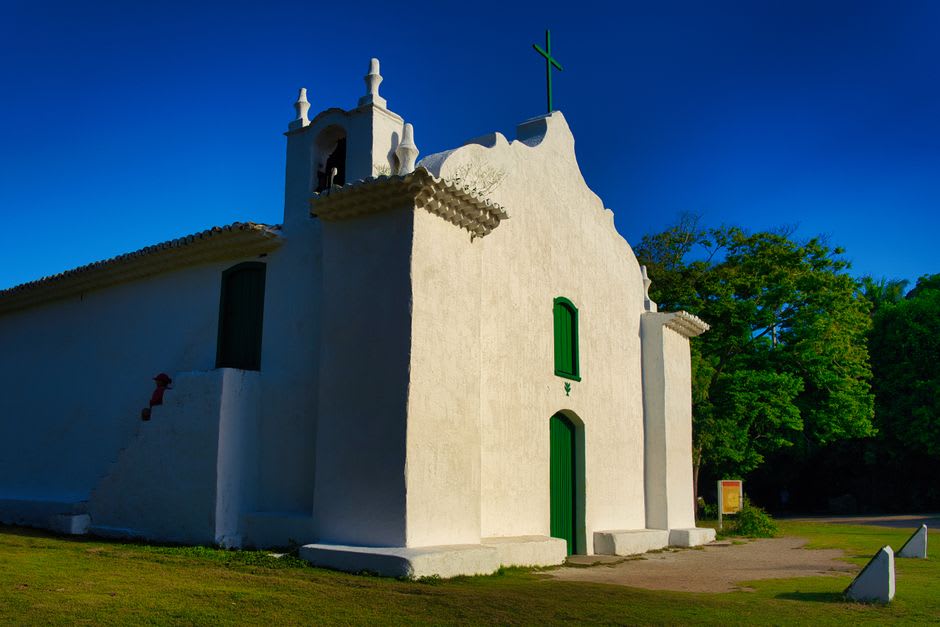
We landed in the town of Itaparica itself, and I hadn’t expected the colonial churches to hit me the way they did — quiet, whitewashed, a little sun-bleached, nothing like the gilded interiors of Salvador’s cathedrals. I wandered down toward Forte São Lourenço, built in 1711 to guard the bay from pirates and rival fleets, and sat on its worn stone wall for a while just watching fishing boats tack across the water. Lia found a shaded bench nearby and sketched the fort’s outline in her notebook, something she does when a place asks to be looked at slowly rather than photographed.
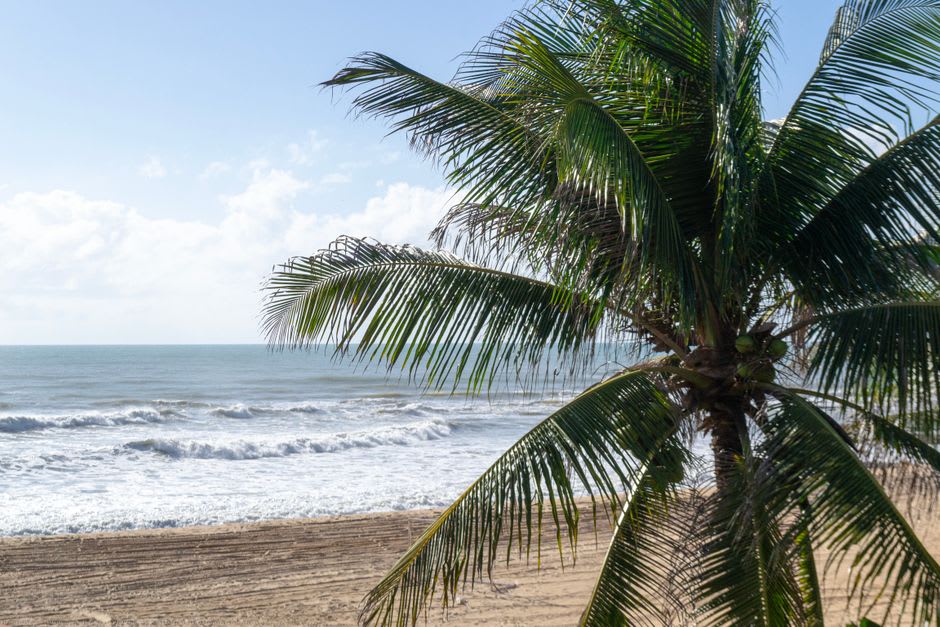
The next morning we went looking for the Fonte da Bica, the freshwater spring that nineteenth-century bathers once swore had healing properties. I’m not sure my joints felt any different afterward, but there was something genuinely soothing about standing under that cool, mineral-tinged water after the heat of the crossing the day before. From there we drifted toward Mar Grande, one of the quieter villages on the Vera Cruz side of the island, where day-trippers from Salvador tend to land for lunch and a swim. We ate grilled fish at a plastic table two steps from the sand, feet in the water, and Lia said it was the first meal in Bahia where nobody was trying to sell us anything.
Itaparica isn’t a place you rush. It’s split between two municipalities — Itaparica town and Vera Cruz — and neither one seemed in any hurry to impress us, which is precisely what made it stick.
When to go: We went during the dry season, sometime between October and March, and caught one of the first ferries out of Salvador’s Terminal Marítimo — by early afternoon the boats fill up with day-trippers and the island’s calm gets diluted fast.