Mayaguana
"I asked the customs officer how many tourists came through that month. He said I was the third, and it was the twenty-second."
The least-visited inhabited island in the Bahamas, closer to Cuba than to Nassau and content to stay that way.
Mayaguana is the southeasternmost inhabited island in the Bahamas, closer in raw distance to Cuba and the Turks and Caicos than to Nassau, and it holds the distinction, by most informal counts, of being the least-visited island in the entire archipelago that still has an airport and a functioning settlement. I flew in on a small propeller plane that was maybe a third full, and the immigration officer at the tiny airport processed my passport with the unhurried curiosity of someone who genuinely doesn’t see many of these. Abraham’s Bay, the main settlement, sits along one of the largest natural harbours in the Bahamas, a wide, reef-protected bight that could in theory anchor a serious marina industry and instead anchors a handful of fishing skiffs and a quiet fixed sense that nothing here is in a hurry to change.
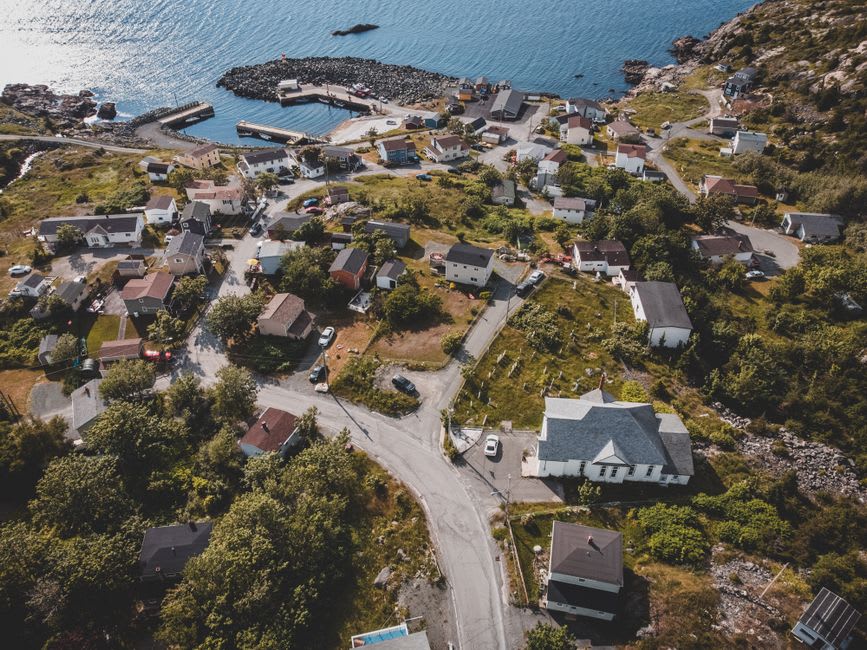
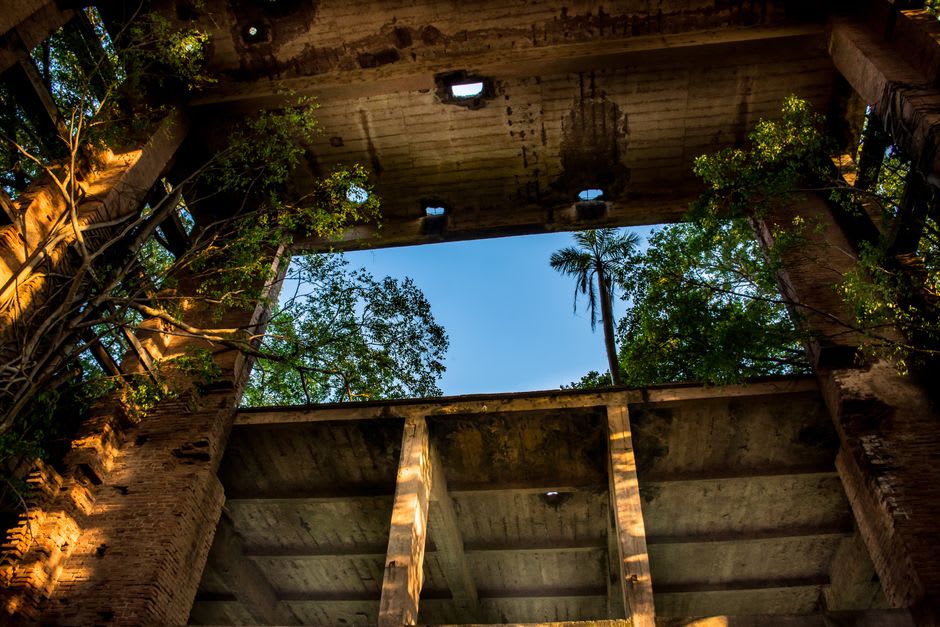
Out past the settlement, the ruins of a Cold War-era US missile tracking station sit slowly dissolving into scrub near Abraham’s Bay, concrete foundations and rusted antenna mounts from a brief period in the 1950s and 60s when Mayaguana had a strategic significance utterly disproportionate to its population, part of a chain of tracking stations supporting early space and missile programs from Cape Canaveral. Walking among the concrete slabs with goats grazing unbothered between them, it was hard to reconcile the island’s total present-day quiet with the fact that satellites were once tracked from this exact patch of scrub.
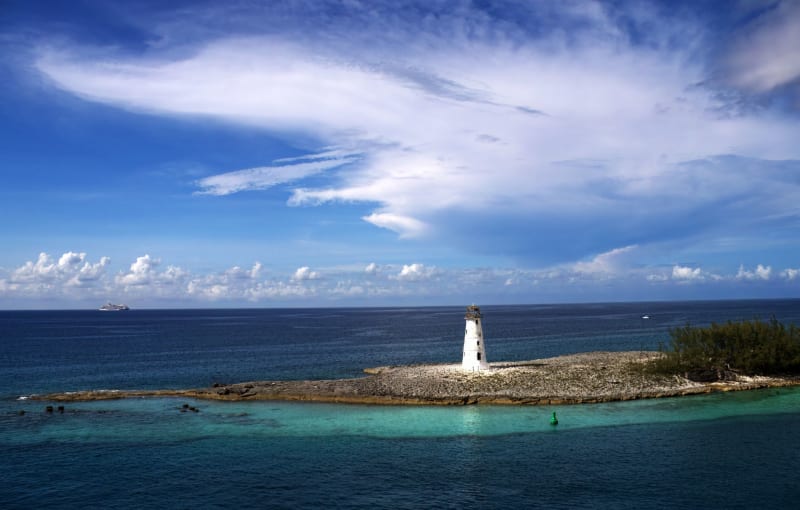
The beaches, predictably, are essentially empty in every direction — Pirate’s Well and Betsy Bay both have long stretches of pale sand I had entirely to myself, and the water clarity is the kind that makes snorkeling directly off the beach worthwhile without a boat at all. There’s very little in the way of formal tourism infrastructure, which is precisely the point for anyone who makes the trip.
When to go: December through April for the calmest weather. Flights are infrequent and accommodation is minimal — confirm everything in advance, and expect to be self-sufficient once you arrive.
Keep exploring
More from The Bahamas
 bahamas
 Nassau
A capital city that hides its real self in the harbor's early-morning chaos, far from the cruise-ship crowds on Bay Street.
Explore bahamas
 Ragged Island
A near-abandoned salt-raking outpost at the southern edge of the archipelago, flattened by Hurricane Irma and rebuilding on its own quiet terms.
Explore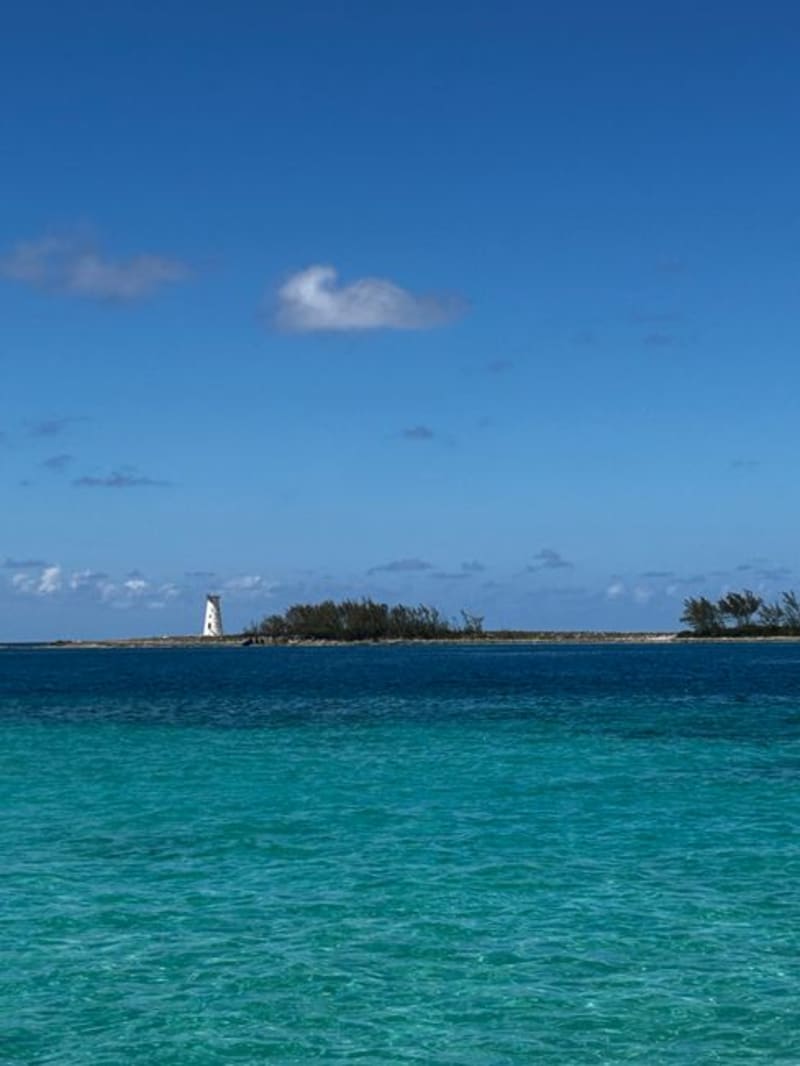 bahamas
 Rum Cay
An island of barely a hundred people, sunk salt pans, and a harbour that still remembers being one of the busiest ports in the Bahamas.
Explore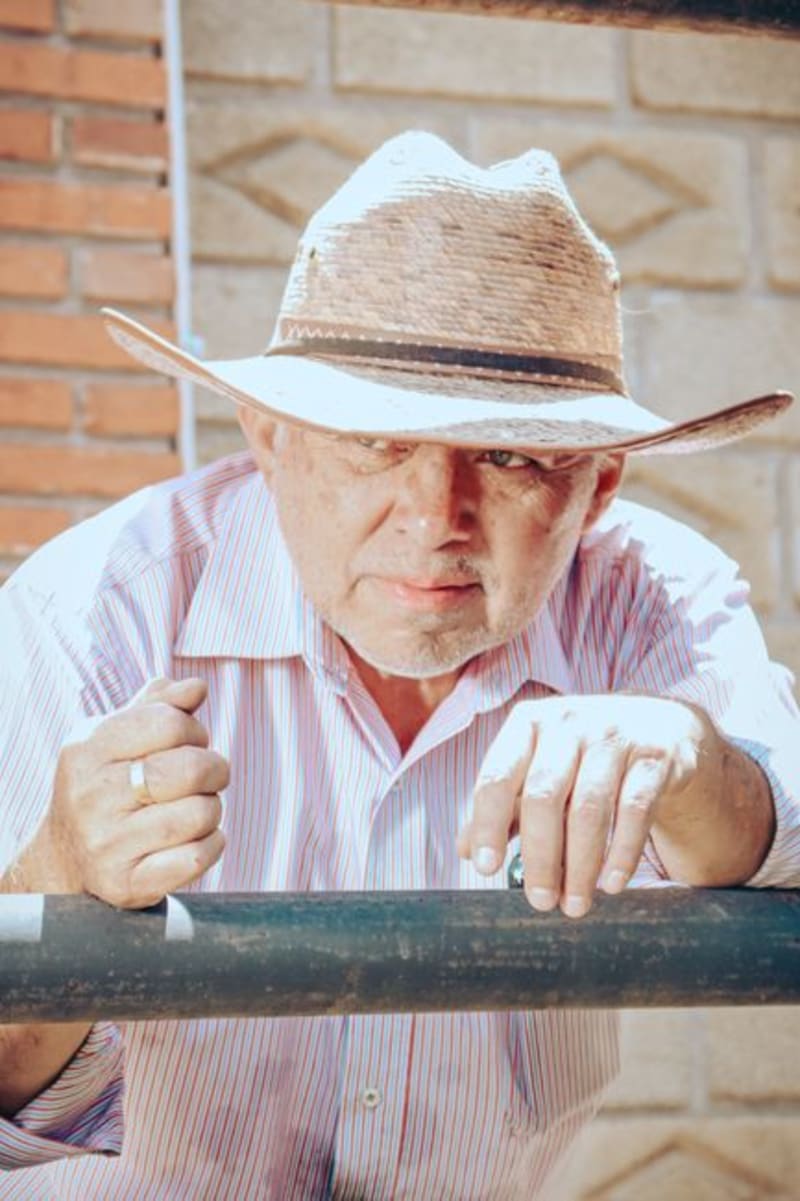 bahamas
 San Salvador
The remote island where Columbus is traditionally said to have first stepped ashore in the Americas, now ringed by some of the best wall diving in the hemisphere.
Explore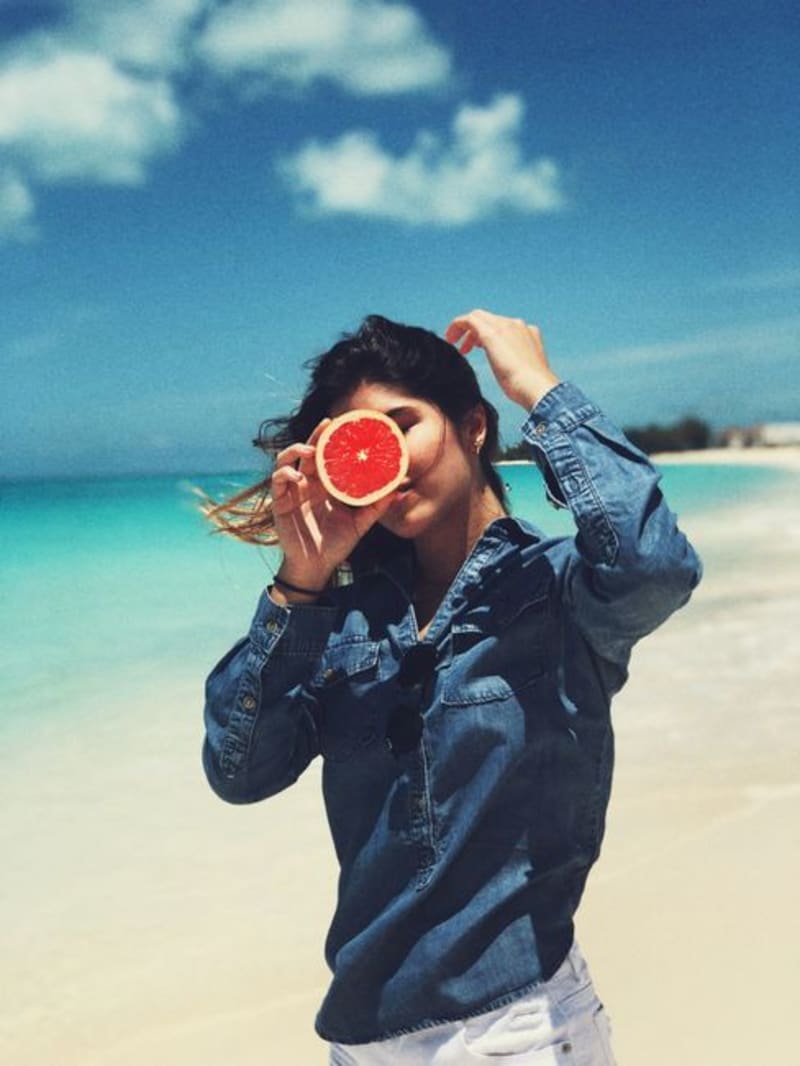 bahamas
 Spanish Wells
A tidy fishing town on its own small cay off Eleuthera, built by lobster money and populated almost entirely by descendants of the same handful of Loyalist families.
Explore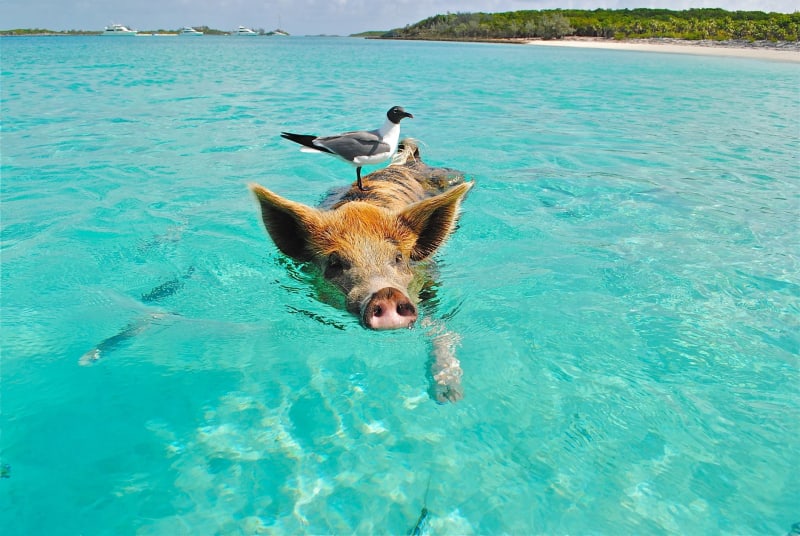 bahamas
 Staniel Cay
A tiny Exumas village where swimming pigs paddle out to your dinghy and a Bond villain's sea cave waits in the next bay.
Explore