Green Turtle Cay
"New Plymouth has maybe four hundred people and every one of them, I was fairly sure, watched me walk past twice."
A Loyalist fishing village on a three-mile cay where the harbour is still the town's only real street.
New Plymouth, the only settlement on Green Turtle Cay, was laid out by Loyalist refugees in the 1780s in a tidy grid of narrow lanes that still bears almost no resemblance to anything you’d call a modern town — no traffic lights, no chain of anything, a scattering of clapboard houses painted the specific pale blues and pinks that seem to occur only in Loyalist Bahamian settlements, and a harbour that functions as the town’s actual main street, since most errands here still start with getting into a boat. I arrived by ferry from Treasure Cay, and the crossing itself, maybe twenty minutes over pale green water, felt like enough of a threshold that I understood immediately why the island has stayed this quiet.
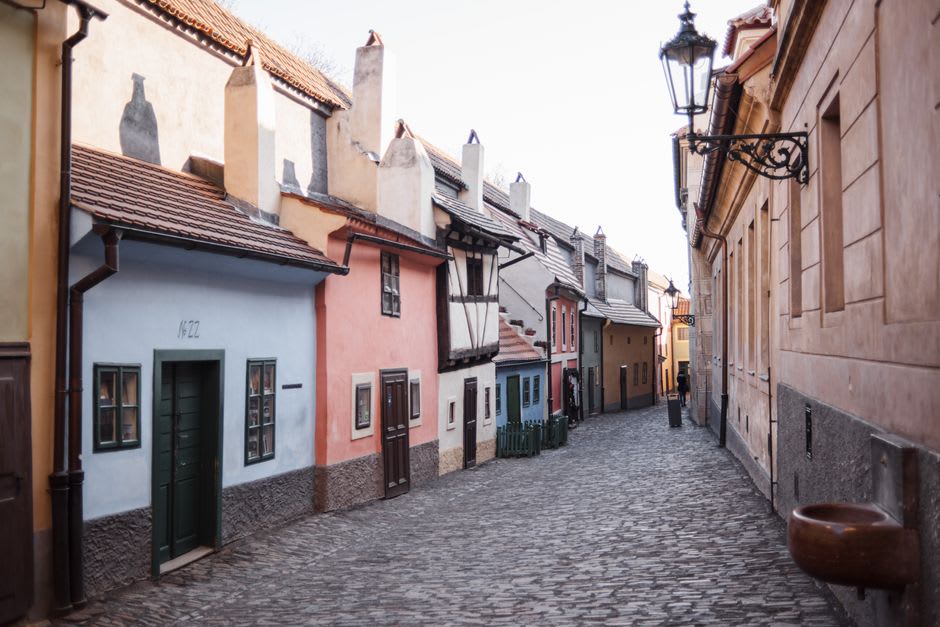
The Albert Lowe Museum, in one of the oldest houses in town, holds ship models, portraits, and everyday objects that trace the island’s descent from Loyalist plantation refuge to sponging and fishing community, and the woman who showed me around knew every name in every photograph on the wall, including several she was related to. A short walk away, the Memorial Sculpture Garden is a small, almost accidental-feeling park of bronze busts honoring figures in Bahamian history, tucked behind a low wall as if the town wanted the monument nearby without making a production of it. Hurricane Dorian passed directly over Abaco in 2019 and Green Turtle Cay took serious damage, particularly to its docks and lower buildings, but New Plymouth’s core has been patiently restored, and the rebuilding felt, walking through it, less like recovery-as-spectacle and more like people quietly putting their own street back together.
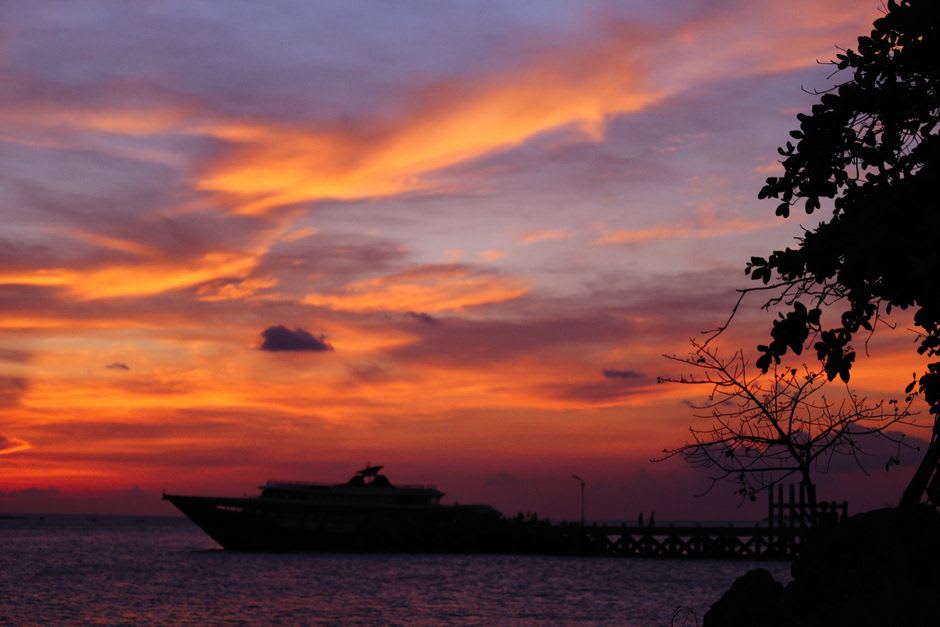
Outside the village, the cay’s beaches on the Atlantic side are broad and nearly always empty, and Coco Bay in particular has the kind of sand that squeaks underfoot, fine and bright, with almost no development in sight in either direction. I spent an afternoon there with nobody else visible except a man collecting conch a few hundred meters out, wading slowly with the unhurried economy of someone who has done this every week of his life.
When to go: Late fall through spring for the calmest seas and easiest ferry connections from Treasure Cay. Confirm ferry schedules ahead of time, as they run infrequently and are still subject to post-storm adjustments.
Keep exploring
More from The Bahamas
 bahamas
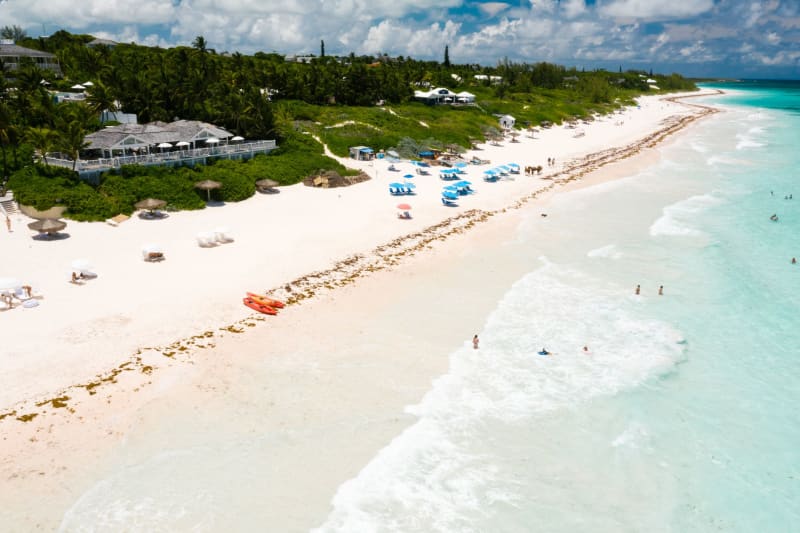
 Harbour Island
Three miles of genuinely pink sand and a village of pastel clapboard houses where golf carts are the only reasonable way to move.
Explore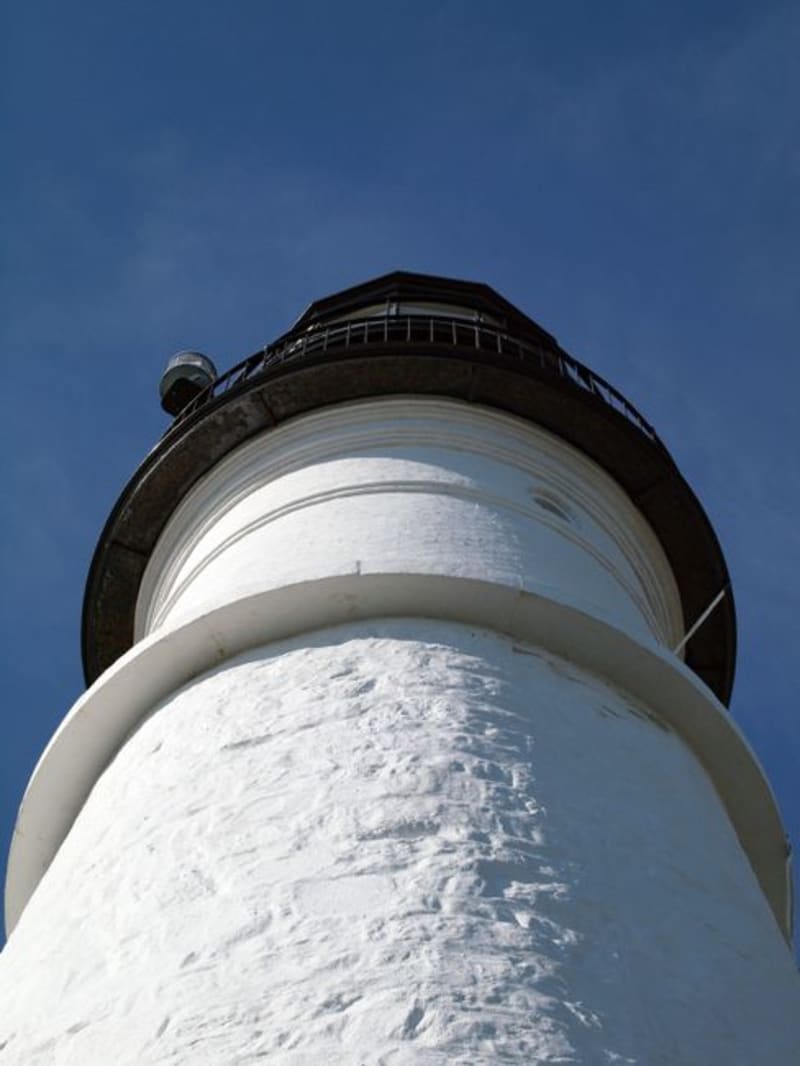 bahamas
 Hope Town
A candy-striped lighthouse still lit by hand each night above a harbour of pastel saltbox cottages on Elbow Cay.
Explore bahamas
 Inagua
The remote southern island where 80,000 flamingos turn the salt flats pink and almost no tourists think to come.
Explore bahamas
 Long Island
Limestone cliffs, twin colonial churches, and a blue hole so deep it has no known bottom — the Bahamas' most dramatic underland.
Explore bahamas
 Mayaguana
The least-visited inhabited island in the Bahamas, closer to Cuba than to Nassau and content to stay that way.
Explore bahamas
 Nassau
A capital city that hides its real self in the harbor's early-morning chaos, far from the cruise-ship crowds on Bay Street.
Explore