Swarovski Kristallwelten (Wattens)
"I came for the crystals and left arguing with Lia about whether that fountain face was smiling at us or judging us."
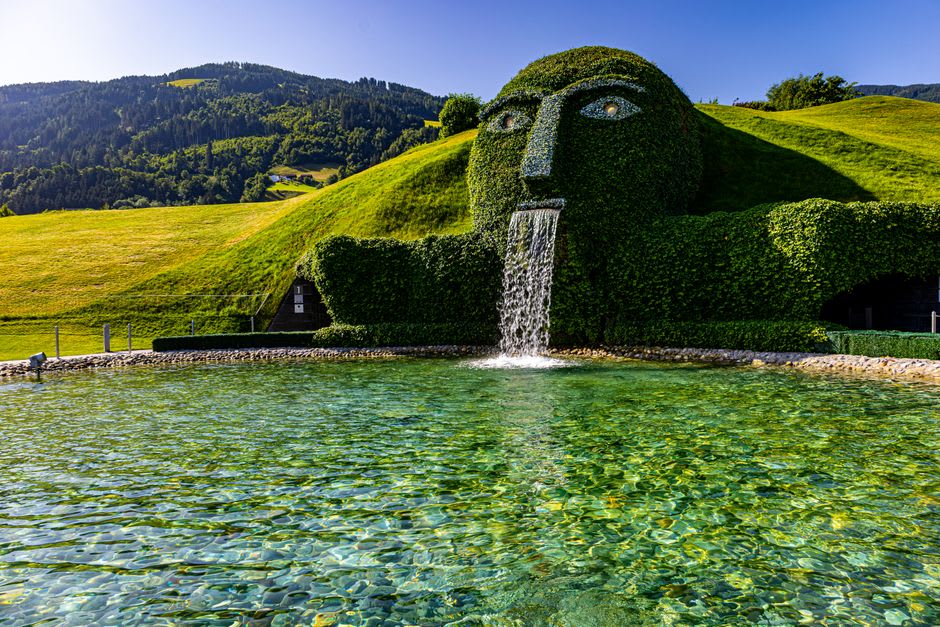
A giant grass-covered head spouting water guards an underground world of crystal chambers just outside Innsbruck.
Lia spotted the postcard in our Innsbruck guesthouse before I’d even finished my coffee — a giant grass-covered head with water spilling from its mouth into a pool — and that was that, we were driving fifteen minutes east to Wattens that afternoon. I hadn’t quite processed what I was looking at until we were standing in front of it: this thing has been welcoming visitors since 1995, when André Heller, a Vienna multimedia artist, was given the old Swarovski crystal-cutting factory grounds and told to build something unforgettable. Daniel Swarovski had founded the original cutting works here in 1895, exactly a century earlier, and somehow that century of quiet industrial history got turned into a giant’s face spitting water at tourists. I loved the absurdity of it immediately.
Inside, past the giant’s mouth, the whole place shifts register. We wandered into the Chamber of Wonders and I stood for a long minute in front of the world’s largest cut crystal — 62 kilograms of it, lit from somewhere I couldn’t identify, throwing light in directions that didn’t seem physically possible. Lia was more taken with the crystal wall a few rooms over, twelve tons of crystal stacked and glittering like a frozen waterfall; she kept trying to photograph it and kept giving up because no photo captured how it actually looked in person.
We’d gone in early October, so the outdoor crystal garden — designed by the landscape architect Cornelia Hahn Oberlander — was already a little bare, but I could tell it would be something else in summer, with the mirrored pool doing its work and the whole space feeling more like a piece of art you walk through than a garden you visit. Sixteen million people have come through here since it opened, which is a number I found hard to square with how intimate some of the rooms felt, chamber after chamber built around a single idea or a single object.
We ended up spending closer to four hours there than the half-day we’d budgeted, mostly because I kept doubling back to look at the 62-kilo crystal again, convinced I’d missed an angle.
When to go: It’s open all year and works as an easy half-day trip from Innsbruck whatever the season, but if you want the crystal garden and mirrored pool at their fullest, summer is when they really come alive.
Keep exploring
More from Austrian Tyrol
 austrian-tyrol
 Tannheim Valley (Tannheimer Tal)
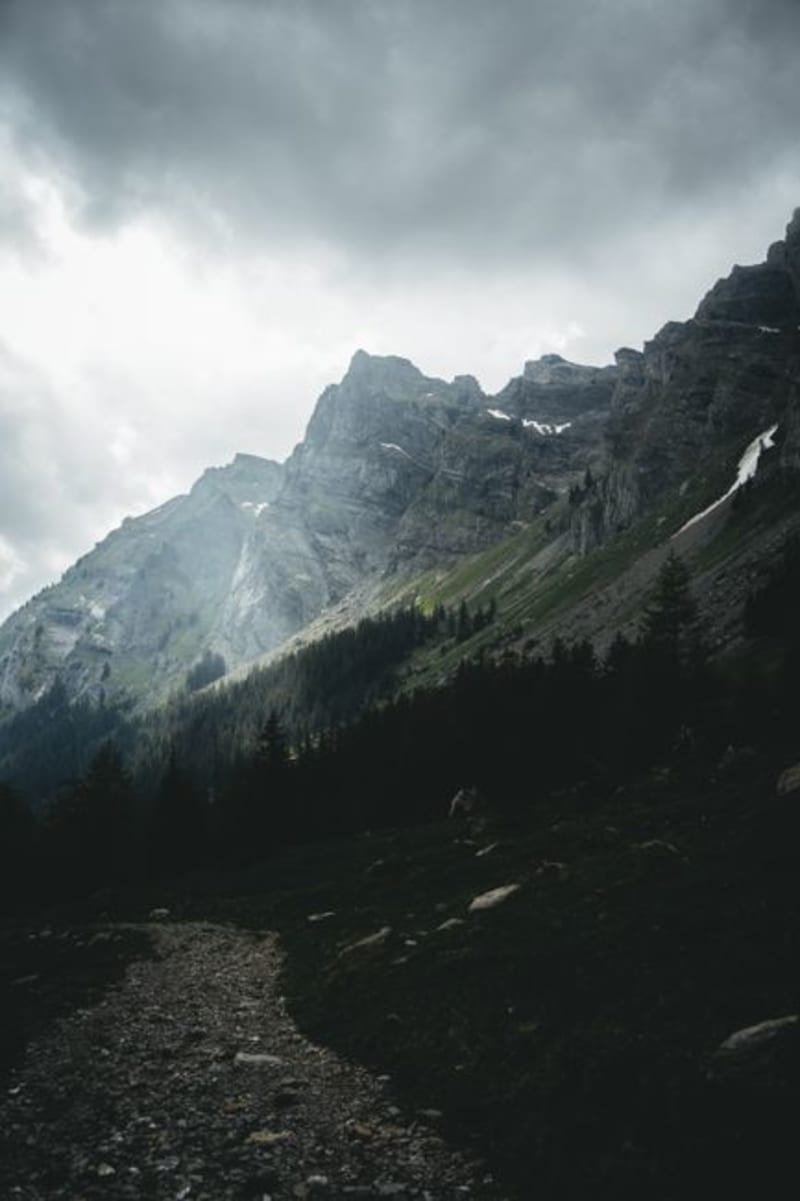
A hushed alpine valley near the Bavarian border where ten villages share one road, ringed by jagged limestone peaks.
Explore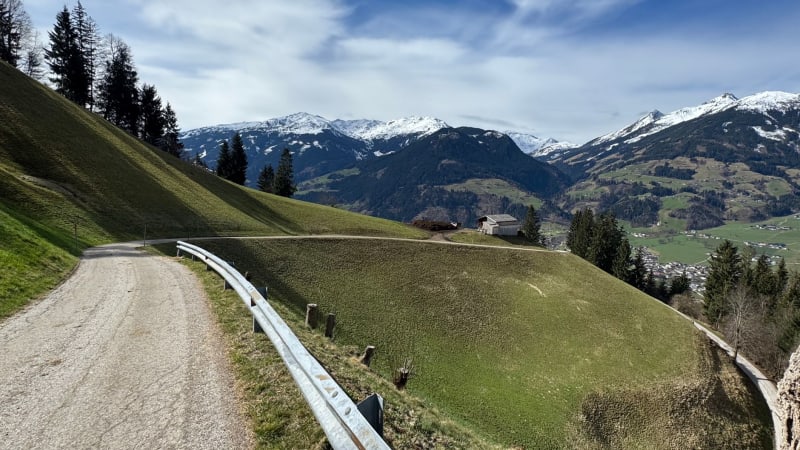 austrian-tyrol
 Zillertal
A valley that runs on folk music, steam trains, and the particular energy of a place that has always known how to celebrate itself.
Explore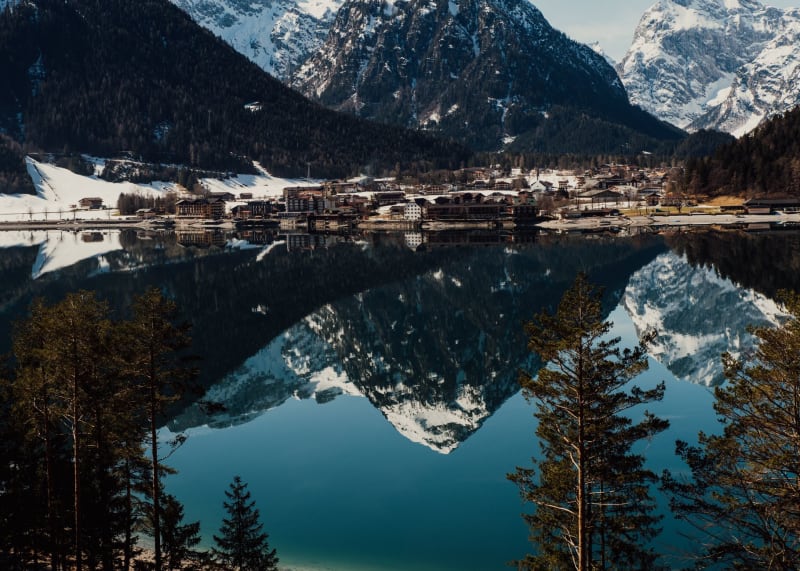 austrian-tyrol
 Achensee
Tyrol's largest lake, reached by a steam rack railway from 1889 that climbs through the pines as if time simply did not apply here.
Explore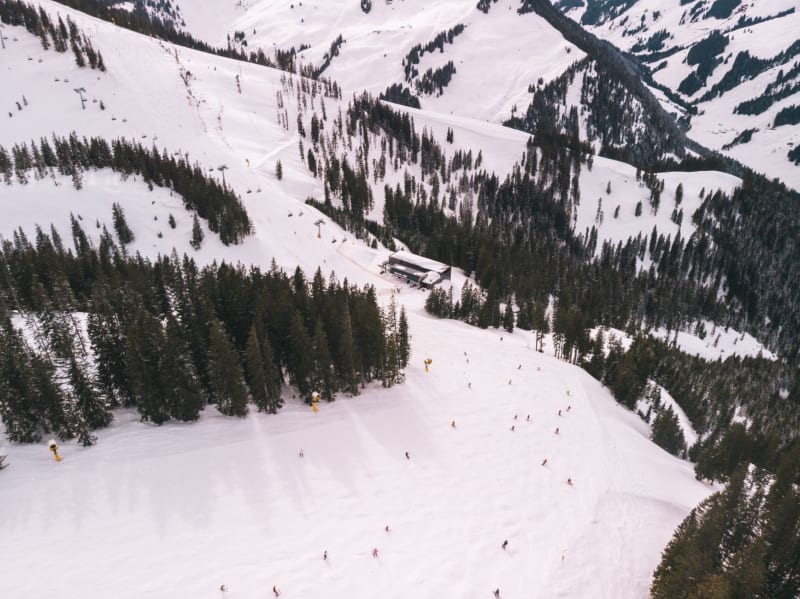 austrian-tyrol
 Alpbach
The village that wins 'most beautiful in Austria' so reliably it has started to seem less like a competition and more like a fact.
Explore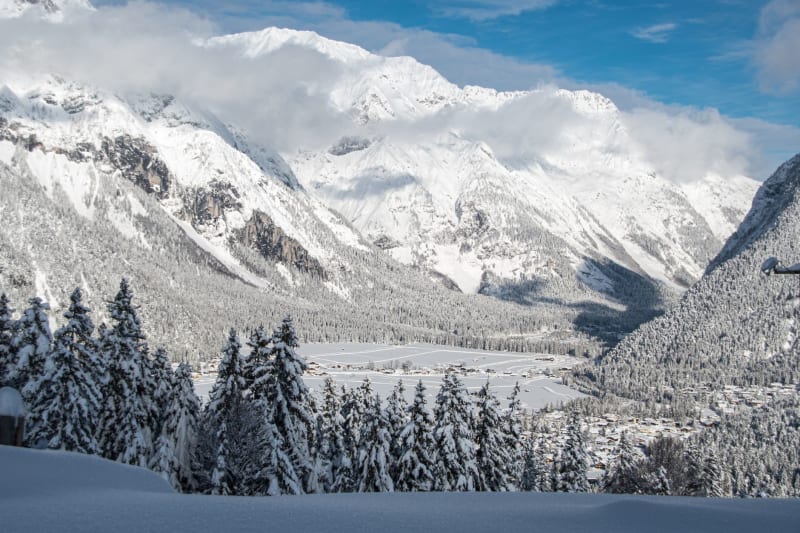 austrian-tyrol
 Hall in Tirol
A perfectly preserved medieval salt-trading town twelve minutes from Innsbruck that most visitors to the region never think to visit.
Explore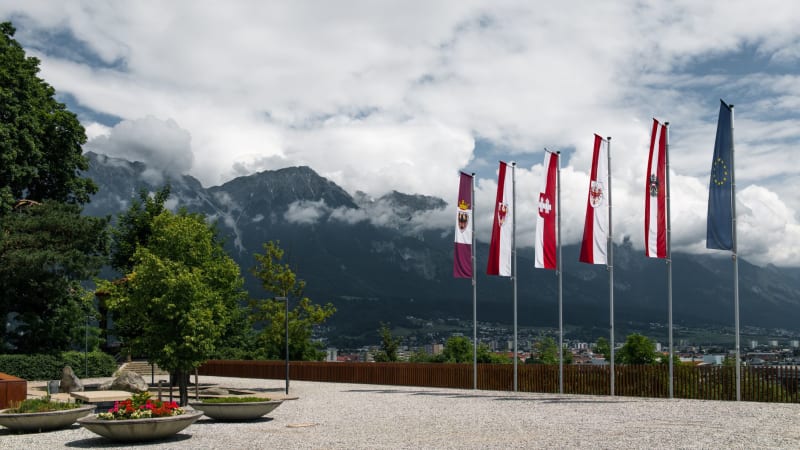 austrian-tyrol
 Innsbruck
A medieval capital where the Alps crowd the end of every street like a painting someone forgot to remove.
Explore