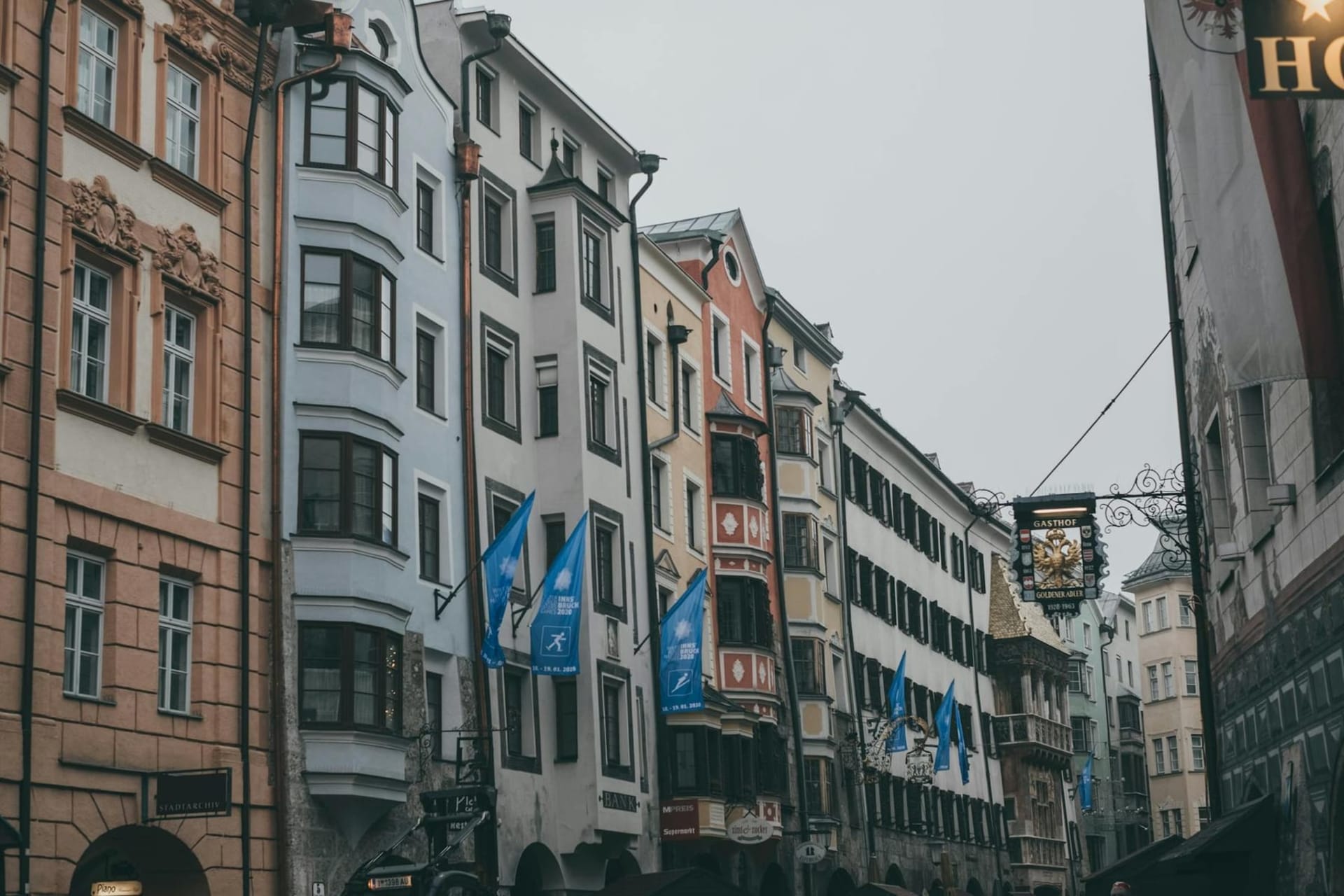
Klagenfurt
"Klagenfurt doesn't have Vienna's ambition, but it has the Wörthersee, which is honestly better."
Carinthia's capital sits at the edge of the warm Wörthersee, a lake that tempts you in summer and a Baroque old town that keeps you in all seasons.
I came to Klagenfurt in late June, when the whole city was tilted toward the lake. Every second person carried a rolled towel under their arm. The bakeries along the Kramergasse had their doors propped open and the smell of warm Mohnstrudel drifted into the street like an announcement.
The Wörthersee in the Morning
We arrived by train and walked south through the old town before the heat settled. The Wörthersee is deceptively southern-feeling for Austria — the water runs warm by July, sometimes nudging 28°C, and it carries that particular blue-green that makes you check if you’re still north of the Alps. We rented a pair of wooden deck chairs at Strandbad Klagenfurt and sat there for most of the morning doing very little. Lia swam out to one of the floating platforms and didn’t come back for an hour. I understood completely.
What surprised me: the lake has no real current, no tides, no drama. It just holds you. After years of restless ocean swimming in Oaxaca, I’d forgotten water could be that still.
The Old Town on Its Own Terms
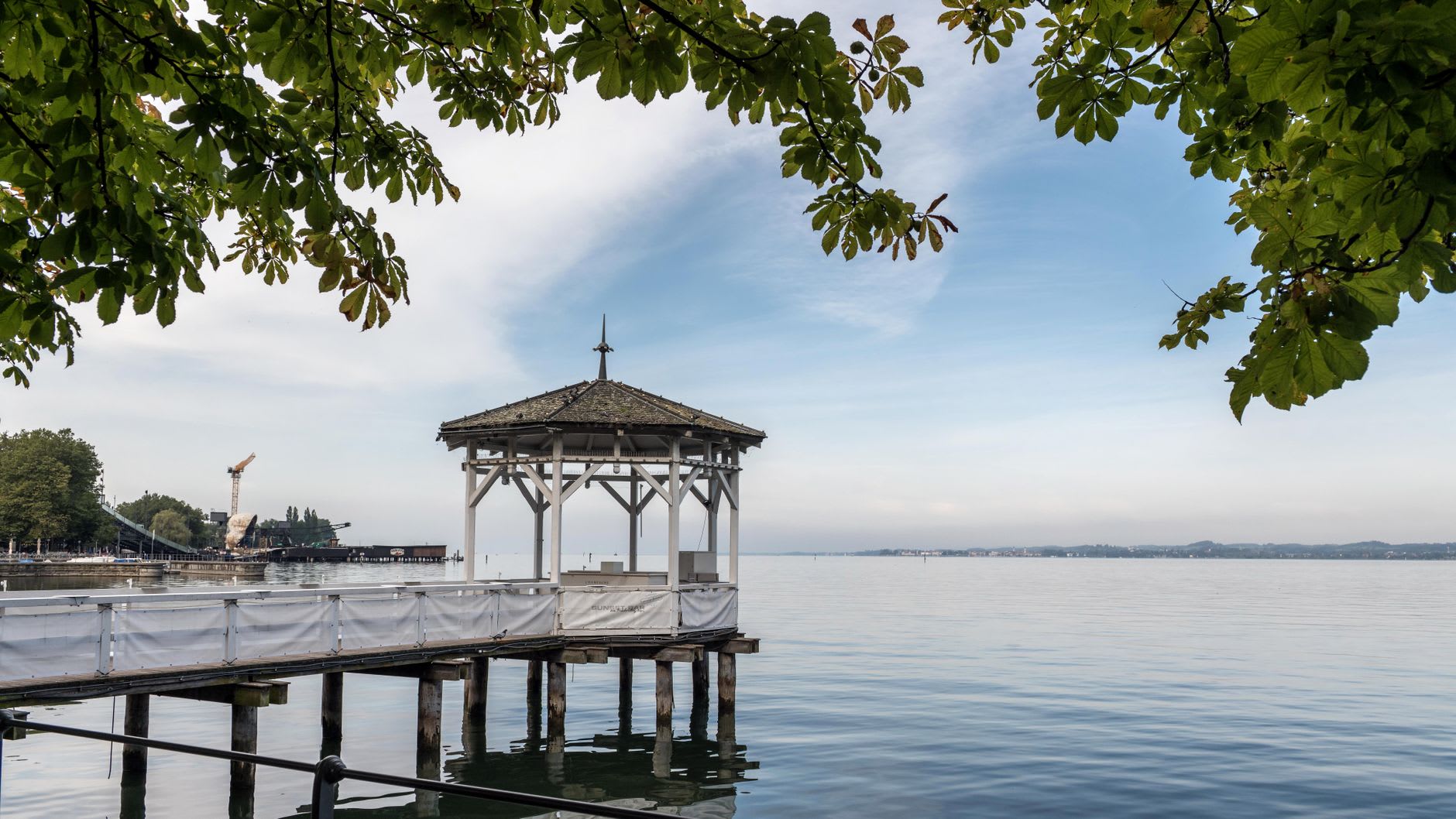
The Alter Platz is the kind of square that rewards slow circuits. The Lindwurm — a dragon carved from a single block of chlorite schist — squats at the center with an expression somewhere between menace and exhaustion. The surrounding facades are Habsburg-era confections in cream and ochre, and the light in late afternoon turns them the color of old honey.
I found the Stadtpfarrkirche almost by accident, cutting through from the Burggasse to find lunch. Inside, the Baroque ceilings feel less theatrical than Salzburg’s and more sincere, if that means anything. The nave was empty and cool and smelled of stone and beeswax. I sat in a pew for ten minutes and thought about nothing in particular.
For lunch, Kärtner Kasnudeln — fat hand-rolled pasta pockets filled with potato and mint — at a Wirtschaft near the Heiligengeistplatz. The mint is not shy. It keeps announcing itself for the rest of the afternoon.
A City That Doesn’t Perform
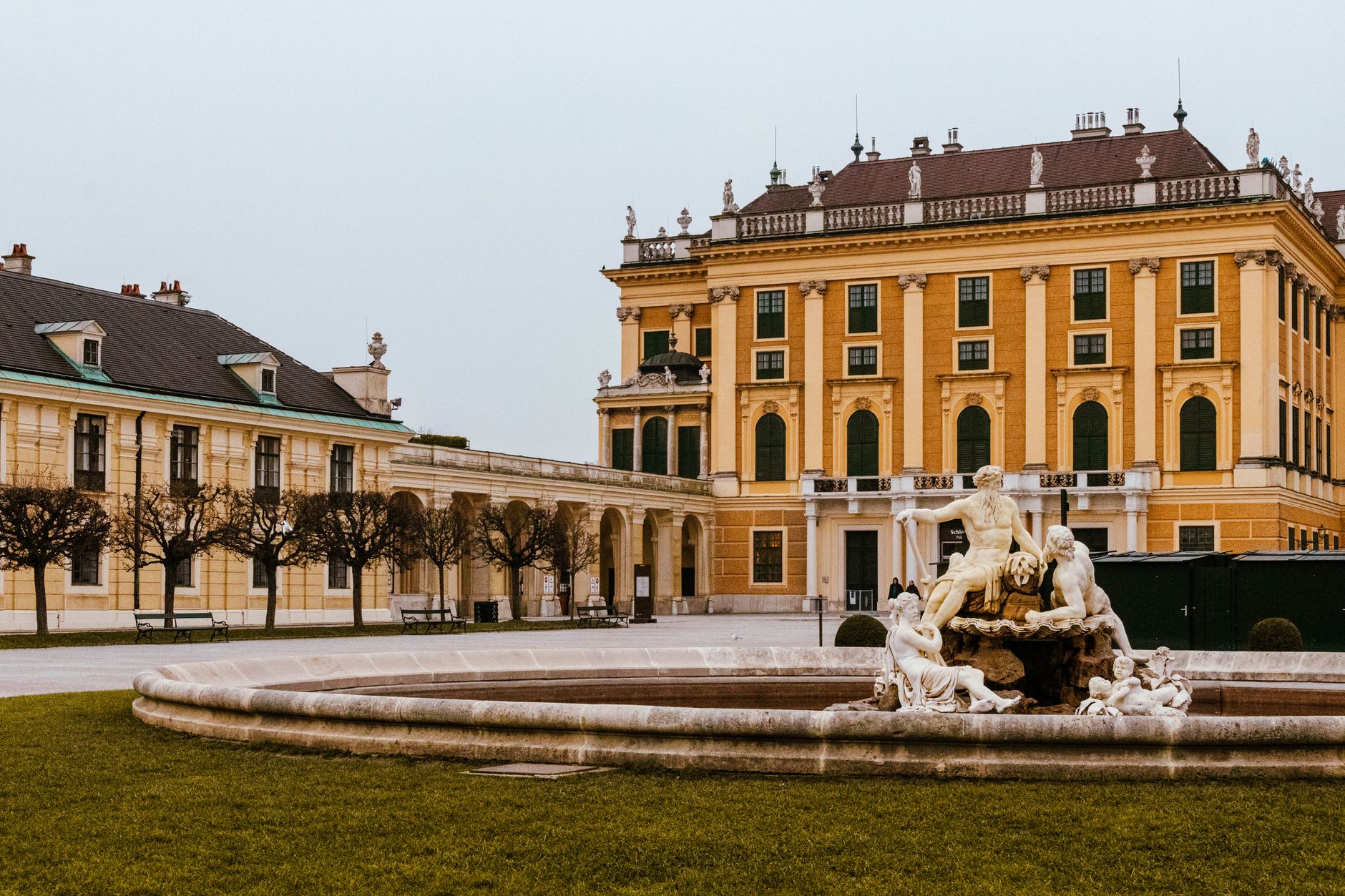
What I kept noticing was the lack of performance. Klagenfurt isn’t trying to be anything other than what it is: a provincial capital where people actually live, swim, eat, and go about their days. The tourist infrastructure exists but doesn’t overwhelm. Nobody is selling you something every hundred meters.
On our last evening we walked the Lendkanal, the old canal that connects the lake to the city center. Cyclists overtook us quietly. Ducks negotiated the reeds. The sky over Carinthia turned that long Alpine pink that lingers past nine o’clock in summer. Lia said it felt like a city that had figured something out. I think she was right.
When to go: June through early September for the Wörthersee at its warmest and the long Alpine evenings. Late May works too — the crowds haven’t arrived and the surrounding Carinthian hills are still startlingly green.