
Grampians Halls Gap
"The kangaroos come into town at dusk. Nobody finds this remarkable."
A sandstone mountain range in Victoria with Aboriginal rock art, waterfalls and kangaroos grazing on the village oval.

We drove into Halls Gap from the south, through a corridor of banksia and stringybark, the road narrowing until the Grampians filled the entire windscreen — sandstone walls the colour of dried blood, streaked pale where water had run for ten thousand years. Lia said nothing. That said enough.
The Weight of the Rock
The Grampians — Gariwerd in Djab wurrung — are not dramatic in the way that young mountains are dramatic. They don’t spike or threaten. They sit. They accumulate presence the way old things do. We spent a morning at Bunjil’s Shelter on the Hollow Mountain Road, crouching to look at the eagle painted in ochre on the overhang, wings spread, two dingo figures at its feet. The pigment is ancient and still vivid. Beside us a school group went quiet without being told to.
The silence in those ranges has texture. It smells of warm stone and dried grass and something faintly medicinal — the oils that eucalypts release on hot afternoons. On the trail to MacKenzie Falls, that smell intensifies into something almost dizzying before the sound of water arrives and cuts through everything.
Halls Gap at Dusk
The town itself is a single commercial strip on Grampians Road — a bakery, a bottle shop, a few cafes with chalkboards listing the day’s pies. We ate at the Kookaburra Restaurant two nights running, which felt like the honest thing to do rather than a failure of imagination. Slow-cooked lamb, local wine, a room full of people who had spent the day walking.
But the genuine surprise came the first evening, standing outside with takeaway coffees from the Harvest Cafe. A mob of eastern grey kangaroos moved across the oval across the road — twenty, maybe thirty of them, completely unhurried, some with joeys visible in the pouch. A man walked his dog past without pausing. Two kids cycled by. The kangaroos registered none of this. I had expected to find them somewhere out in the ranges, a wildlife moment requiring effort and luck. Instead they were grazing beside the tennis courts at six in the evening, and the entire town had collectively decided this was unremarkable. It took me until morning to decide it was the most Australian thing I had ever seen.
Getting Up High
Boroka Lookout is the one to do before breakfast, before the tour buses arrive. The view west across the valley and the flat agricultural plains beyond is enormous in a way that recalibrates distance. Reed Lookout, further north, is quieter and worth the extra kilometres.

When to go: Spring (September to November) brings wildflowers across the heathland and mild temperatures ideal for long walks. Avoid summer holidays in January when the park is at full capacity and the heat can push fire danger high.
Keep exploring
More from Australia
 australia
 Great Barrier Reef
The largest living structure on Earth, visible from space and even more astonishing from one metre below the surface.
Explore australia
 Kakadu
Australia's largest national park, where 65,000 years of Aboriginal art adorns the rock shelters of an ancient landscape.
Explore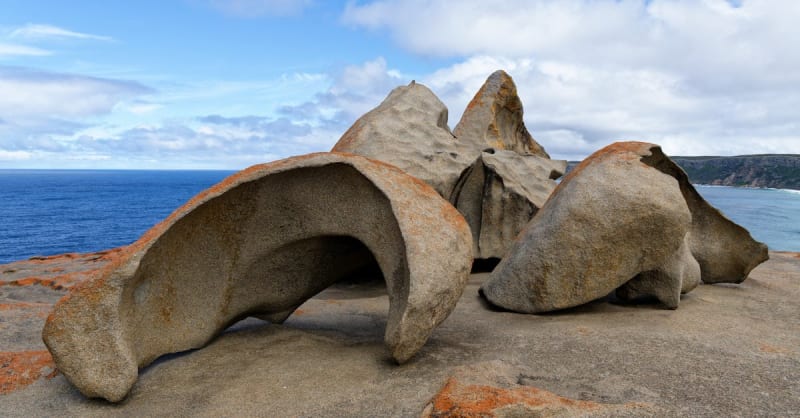 australia
 Kangaroo Island
A wildlife sanctuary island off South Australia where the animals outnumber the people and nobody minds.
Explore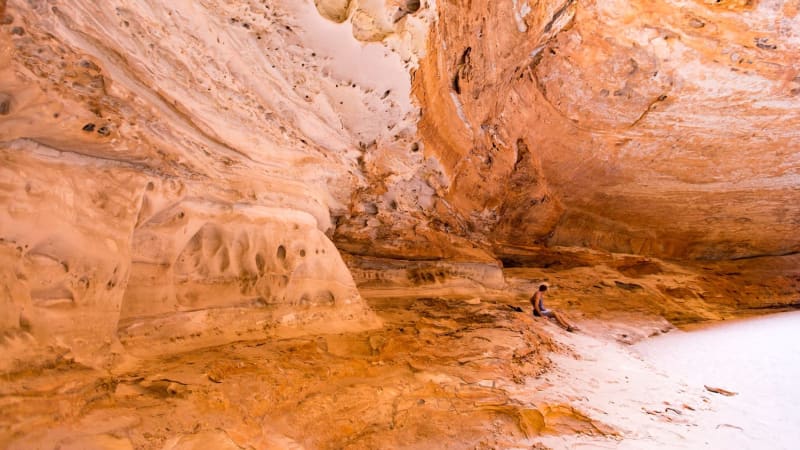 australia
 Kimberley
One of Earth's last true wildernesses — billion-year-old gorges, ancient Aboriginal rock art, and the Bungle Bungles.
Explore australia
 Margaret River
World-class wine, ancient caves, and surf breaks strung along a coastline in Western Australia's southwest corner.
Explore australia
 Melbourne
Australia's cultural capital, where laneways hide the best coffee, street art, and restaurants on the continent.
Explore