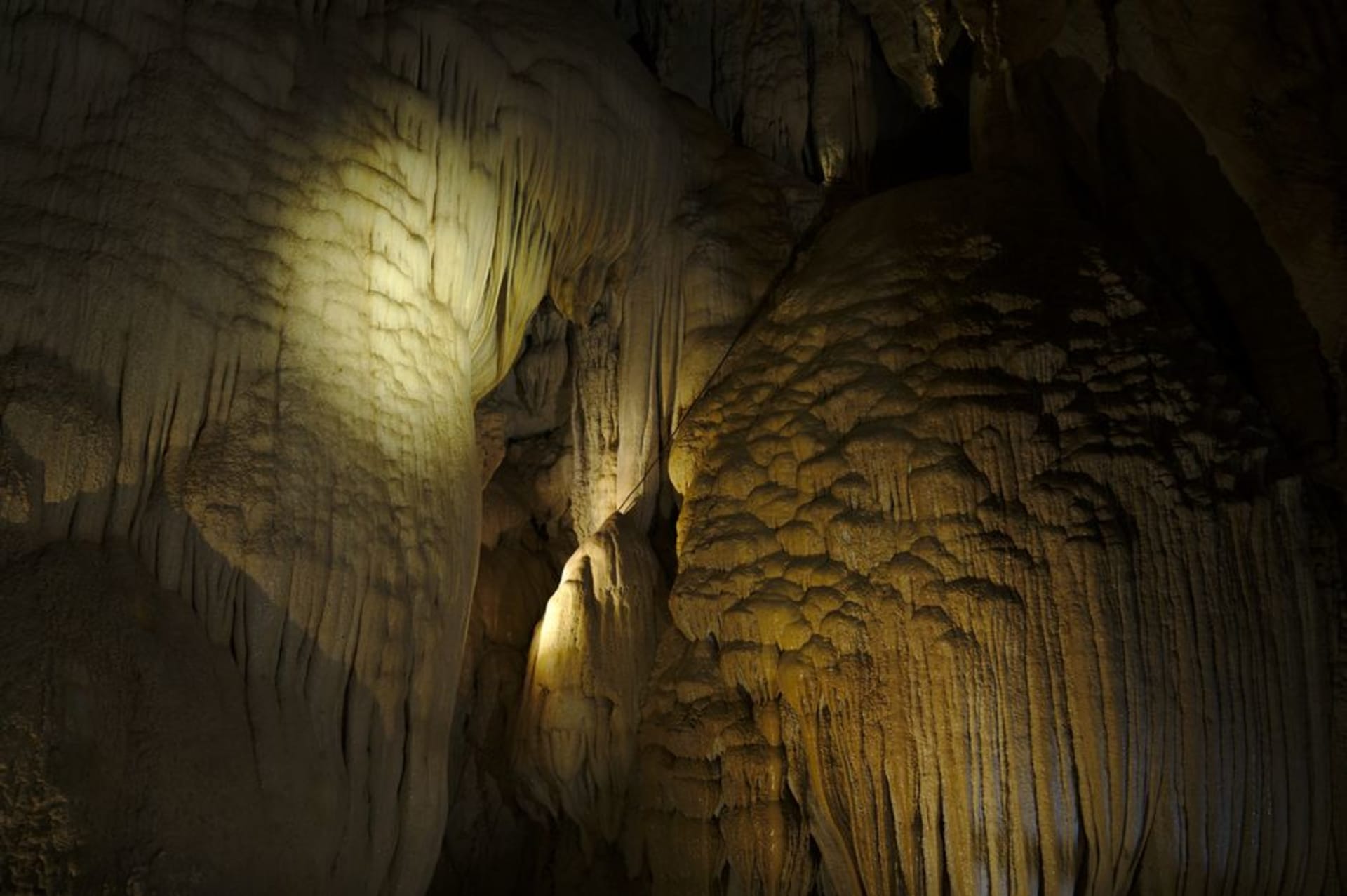
A living limestone cave near Benson where dripping water still shapes the stone, kept secret for fourteen years before anyone else got to see it.
Lia and I drove down from Tucson on a morning so dry and bright it felt almost absurd that we were about to disappear into a cave. Kartchner Caverns sits in the hills near Benson, and from the parking lot you’d never guess what’s underneath — just scrub and heat and the kind of Arizona light that makes everything look flattened. But the second the airlock doors sealed behind our tour group, the temperature dropped to a steady 70°F and the air went thick and wet, like walking into someone else’s lungs. Our guide told us the cave is “alive,” and I didn’t understand what that meant until I saw water beading on a stalactite tip and realized: this thing is still growing, right now, while we stand here.
What got me most was the story of how it was found. Two cavers, Gary Tenen and Randy Tufts, stumbled onto the entrance back in 1974 and then just… sat on it. Fourteen years of silence, sneaking in occasionally to check on it, before they finally trusted the landowning Kartchner family and the state with the secret. I kept thinking about that kind of restraint on the walk through the Big Room — how easy it would have been to tell everyone, to let it get trampled and stripped like so many caves before it. Instead they engineered this whole careful access system, airlocks and misting stations, just to keep the humidity right so the formations wouldn’t stop growing.
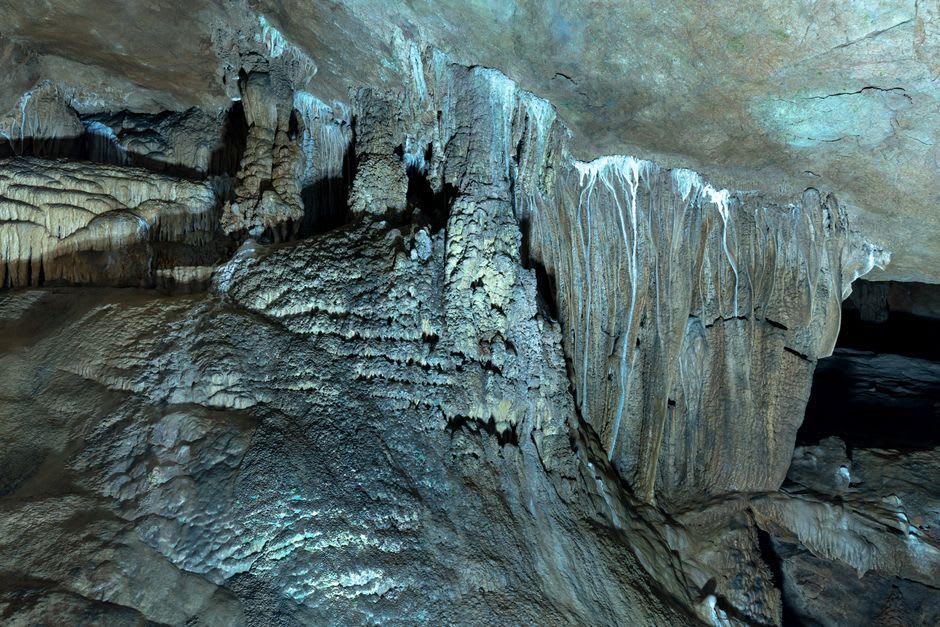
Somewhere past the halfway point, our guide pointed his light up at a single, impossibly thin soda straw stalactite — over 21 feet long, one of the longest in the world — and asked us to just be quiet for a second and listen. A drop fell. That was it. That was the whole cave, one drop at a time, for tens of thousands of years. Lia squeezed my hand in the dark and I remember thinking it was one of the most patient things I’d ever witnessed.
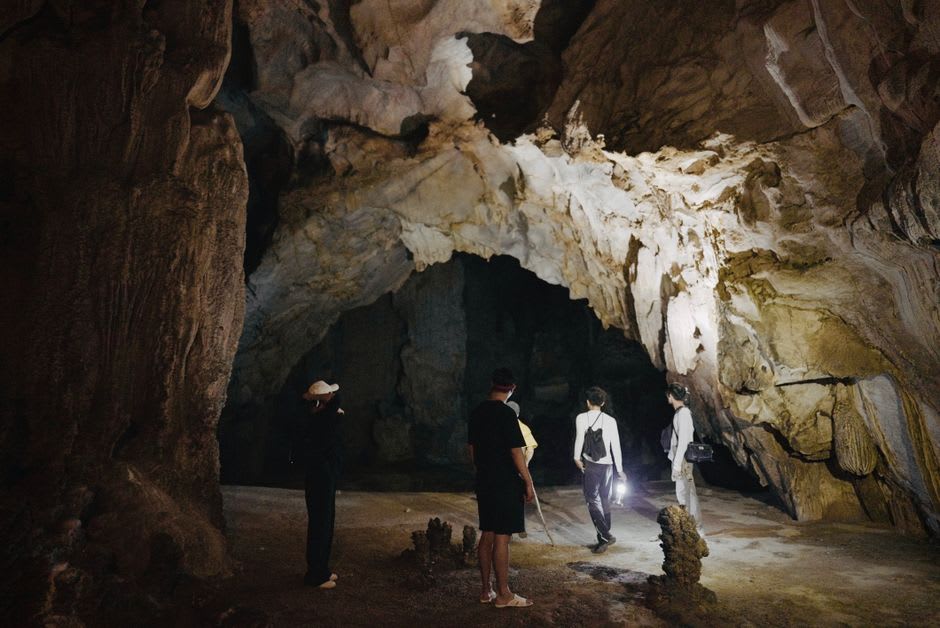
We went in summer, which meant we missed the bats — Kartchner hosts one of Arizona’s largest maternity roosts of cave myotis, and part of the cave closes to protect them while they raise their young. I liked knowing that even now, the place is still being protected the same careful way it was discovered. Walking back out into the heat and glare of the parking lot, it took me a good ten minutes to stop whispering.
When to go: The cave stays around 70°F/21°C year-round, so there’s no bad season to visit — just book your tour well ahead, since tickets are timed and cap the group size to protect the formations.