Tilcara
"You can stand on a thousand-year-old wall and still hear a drum circle two blocks away."
A Quebrada de Humahuaca town built around a pre-Inca pucará fortress, with the region's best archaeology and its liveliest carnival.
Tilcara does something none of the other Quebrada towns quite manage: it holds ancient and alive in the same afternoon without either one feeling like a museum piece. I arrived expecting ruins and left thinking mostly about the town itself — its narrow stone-paved streets, its artisan stalls stacked three deep with alpaca wool, and the way it seems to host half of Jujuy’s musicians on any given weekend.
The Pucará
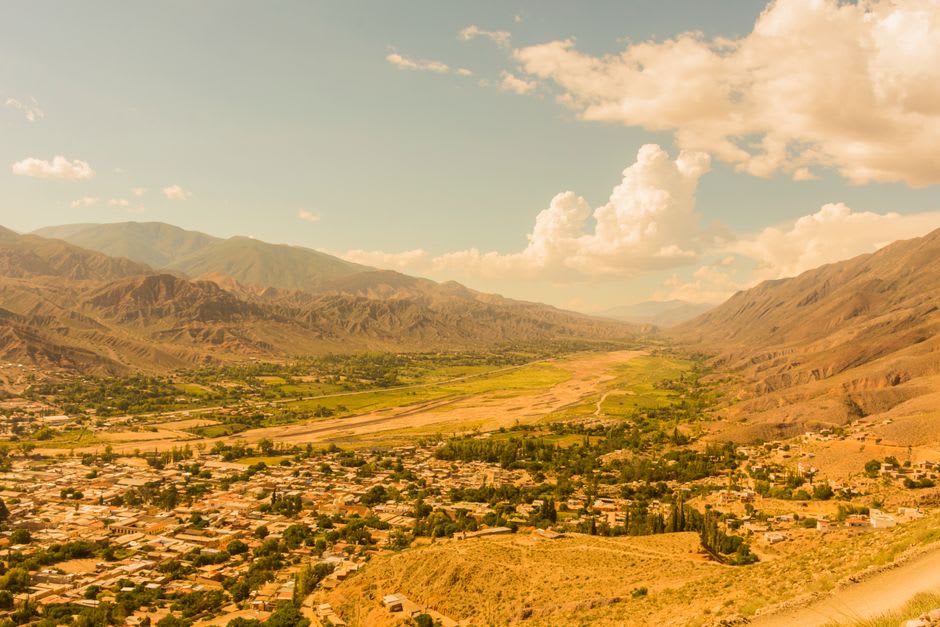
The main draw, geographically at least, is the Pucará de Tilcara — a pre-Inca fortress complex on a hill just south of town, reconstructed in the 1950s by an Argentine archaeologist who arguably took some liberties with the mortar, but the bones of it are real: defensive terraces, ceremonial platforms, and a necropolis where the Omaguaca people buried their dead centuries before the Inca ever arrived and, later, before the Spanish arrived after them. I climbed it in the mid-morning heat with Lia, and from the top the view opens onto the full width of the Quebrada — the Río Grande cutting a green ribbon through red rock on both sides.
The Town and Its Museums
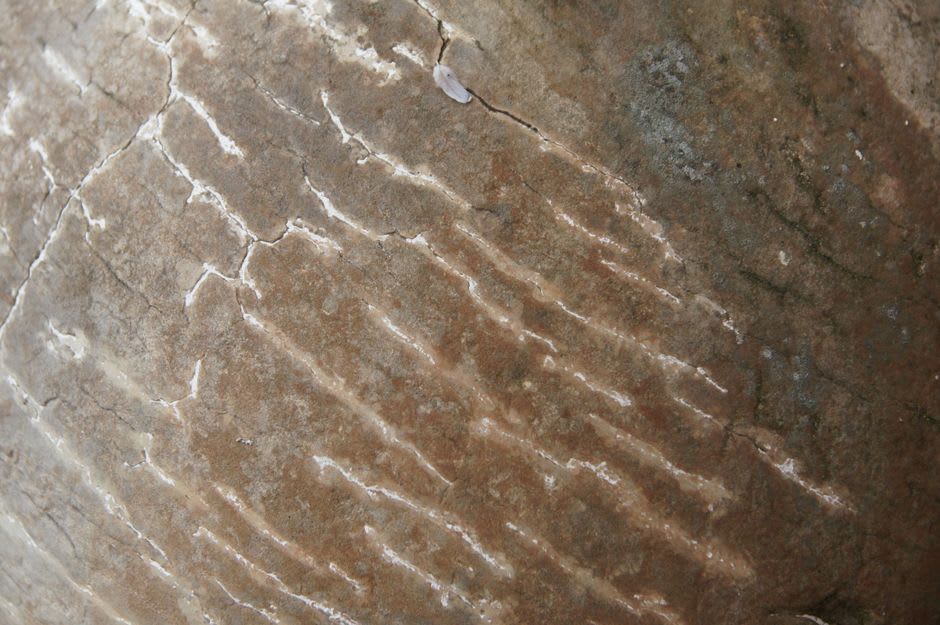
Back down in town, the Museo Arqueológico houses pottery and textiles that make sense of what you just walked through — ceramics decorated with the same geometric patterns still woven into ponchos sold two streets over. I spent longer there than planned, mostly because the woman at the desk kept adding context I hadn’t asked for and all of it was worth hearing.
Calle Belgrano, the main pedestrian street, is where Tilcara actually breathes. Stalls sell coca leaf, dried herbs, and llama wool by the kilo, and by early evening the peñas start up — folk music with charango and bombo that spills out onto the sidewalk. If you’re here in February, the town’s Carnival is one of the most authentic in northern Argentina, with comparsas parading through streets and a ritual “unearthing of the devil” that has nothing to do with anything I understood beforehand and everything to do with community.
When to go: Year-round, but April through November avoids the summer rains. February brings Carnival, which is worth planning around deliberately if you want the full spectacle rather than stumbling into it.
Keep exploring
More from Argentina
 argentina
 Tinogasta
A desert oasis wine town in Catamarca province where poplar-lined irrigation channels turn hard country green.
Explore argentina
 Trelew
The commercial heart of Welsh Patagonia, home to one of Argentina's finest dinosaur museums.
Explore argentina
 Tren a las Nubes
The Train to the Clouds, an engineering marvel that climbs through 21 tunnels and over a curved viaduct to cross the Andes above 4,200 meters.
Explore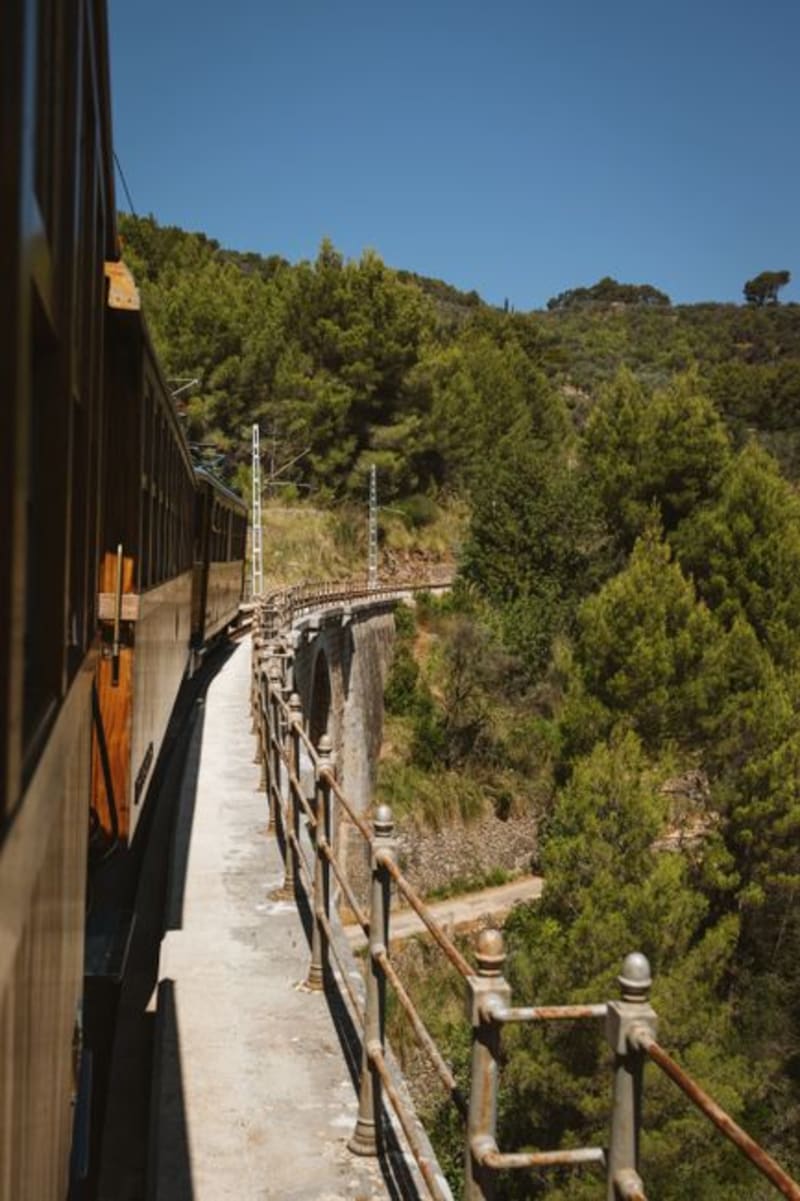 argentina
 Tren de la Costa
A restored coastal railway linking Buenos Aires's northern suburbs, ending at the delta town of Tigre.
Explore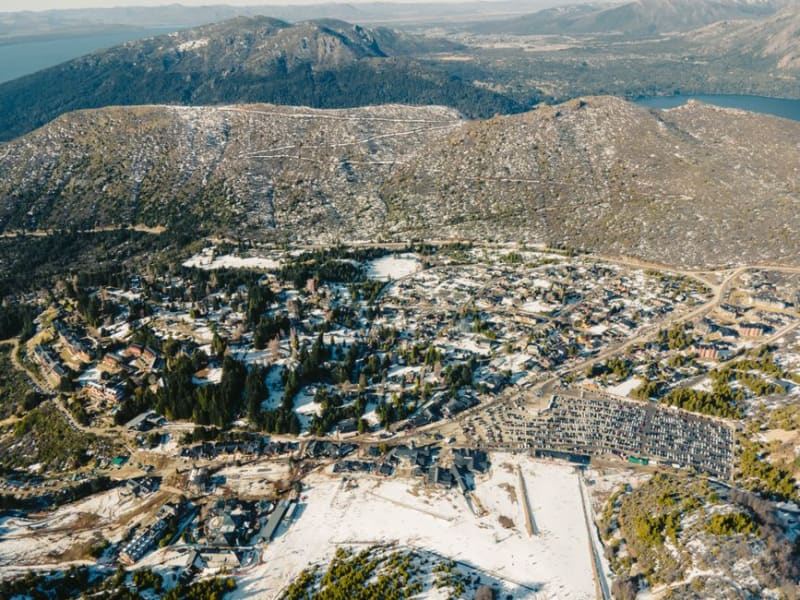 argentina
 Trevelin
A Welsh settlement in the Andean foothills of Chubut where teahouses still serve the recipes settlers brought over a century ago.
Explore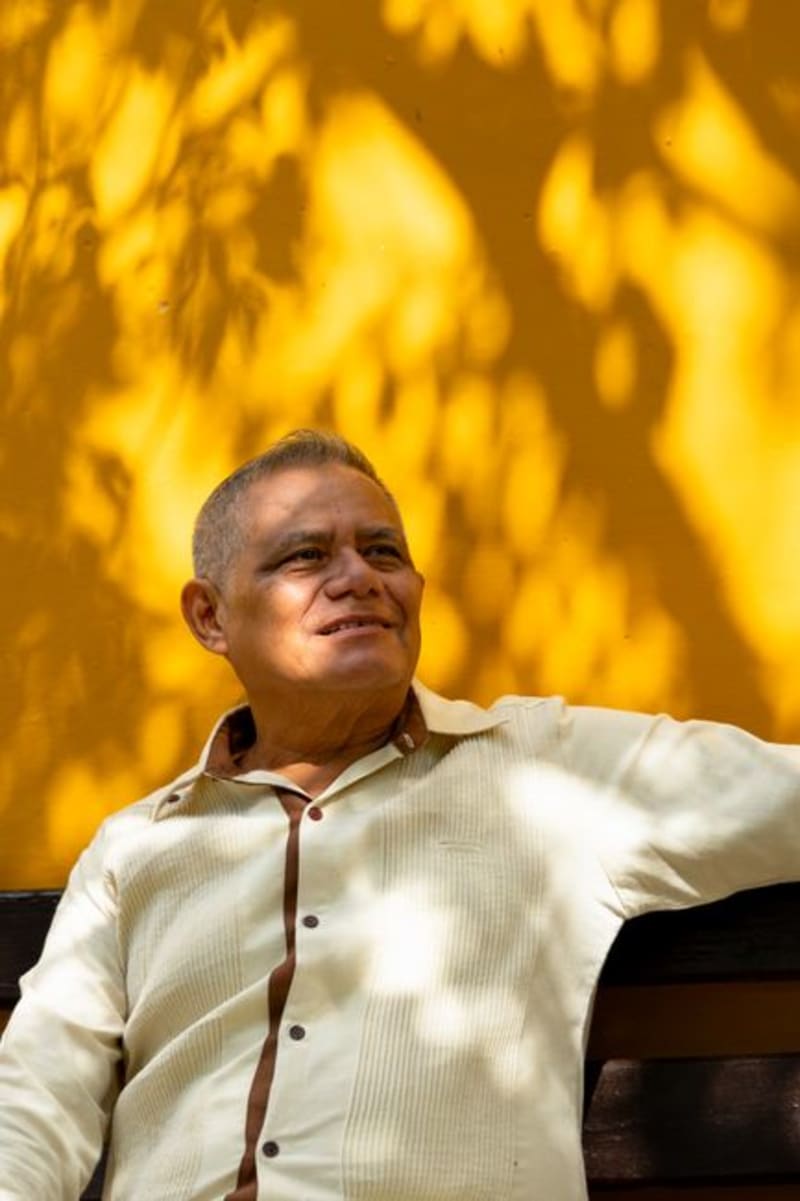 argentina
 Tunuyán
A high-altitude Uco Valley wine town where the Andes feel close enough to touch from the vineyard rows.
Explore