Tigre
"An hour from Buenos Aires, the streets become water and the noise becomes birdsong."
A river delta of islands and channels just outside Buenos Aires — a watery escape from the capital's hustle.
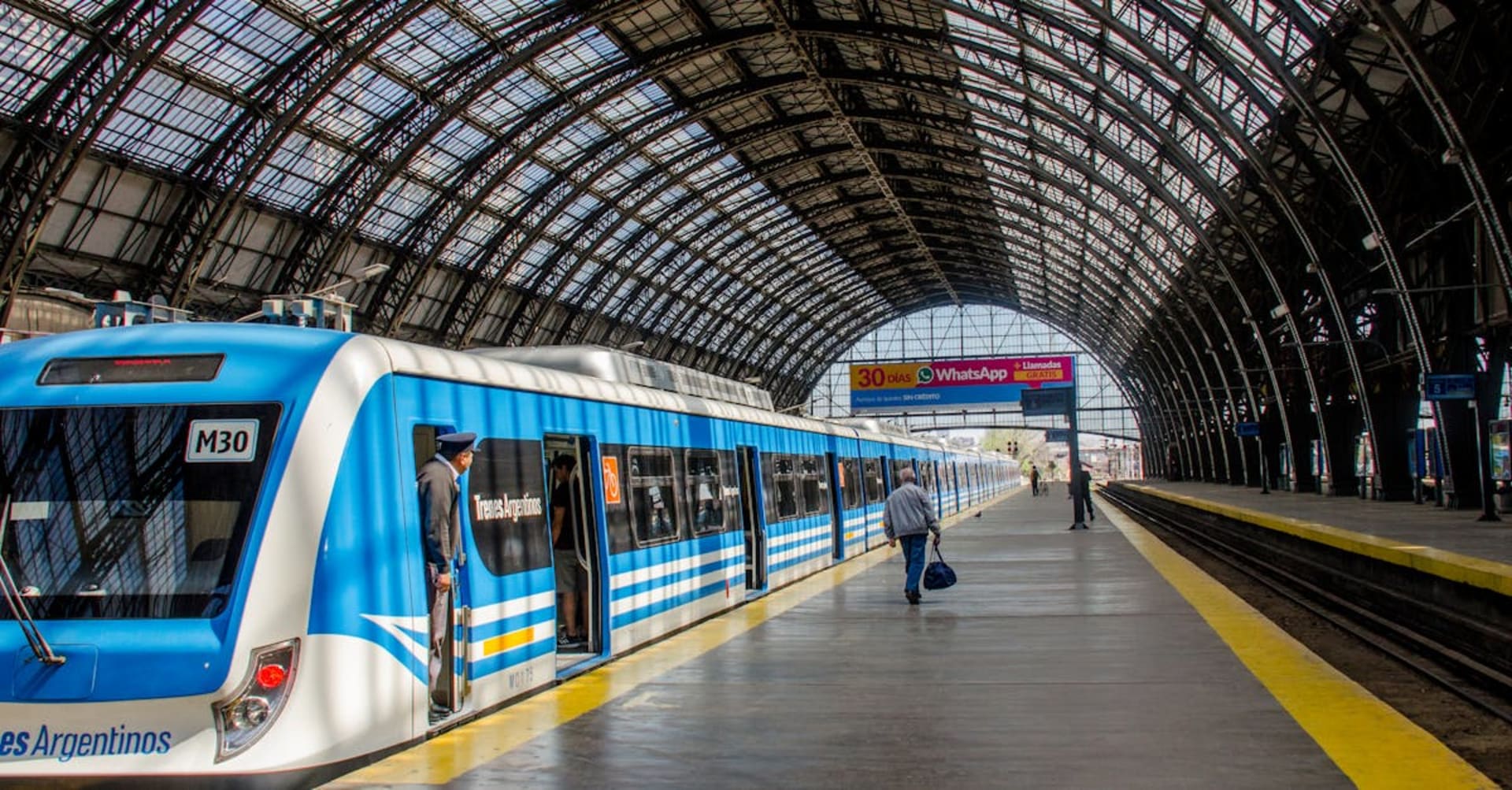
The transformation started on the train. I boarded at Retiro station in the concrete heart of Buenos Aires, settled into the Mitre line as it rattled north through suburbs that grew progressively greener, and watched the city slowly lose its grip. Within an hour it had let go entirely. Tigre appeared at the end of the line — a small, slightly faded town on the banks of the Luján River, where the streets give way to water and the great Paraná Delta begins its sprawl of islands, channels, and hidden waterways stretching north toward Entre Ríos province. It is one of the largest river deltas in the world. It starts, improbably, within commuting distance of a city of fifteen million.
The delta is not a single river but a labyrinth. I understood that the moment our boat turned off the main channel and the city reference points vanished. Channels branch and rebranch through dense subtropical vegetation — willows trailing their fingers in the brown water, ceibo trees in full red flower, and a canopy thick enough to swallow the sky. The water is the color of strong tea, stained by tannins from the upstream forests, and it moves with a slow, purposeful current that carries fallen branches, water hyacinths, and the occasional kayaker downstream. Houses appear along the banks — some modest wooden structures on stilts, others grand weekend retreats with manicured lawns sloping down to private docks. There are no roads on the islands. Everything arrives and departs by water. That fact alone reshapes how you think about distance.
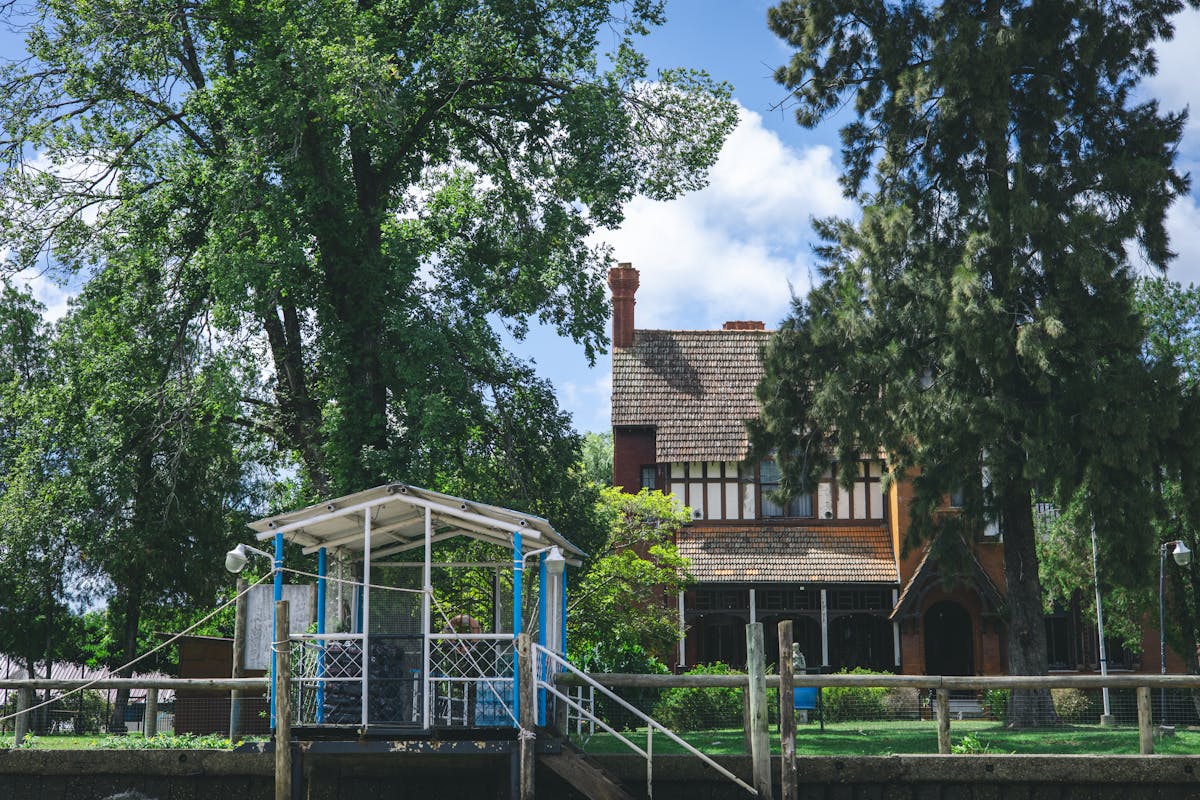
Lia and I took a lancha colectiva — one of the water buses that serve as public transit for the delta — on our first morning. They follow fixed routes along the major channels, stopping at wooden docks where residents wait with grocery bags, schoolchildren with backpacks, and dogs with the calm demeanor of seasoned commuters. The driver tossed a newspaper onto a dock without slowing down. No one seemed to find this remarkable. There is a specific pleasure in riding a commuter service that runs on water, watching ordinary life proceed at the pace set by the current.
In Tigre proper, the Puerto de Frutos — the Fruit Port — spreads along the riverbank in a cheerful sprawl of market stalls. The name dates from the era when delta farmers brought their produce here by boat. The market has since expanded well beyond fruit into wicker furniture, handmade crafts, plants, and regional foods, but the waterside setting keeps something of the original character. On the weekend we were there, porteños poured off the train and filled the market aisles — sampling dulce de leche, buying ferns, eating choripán from the grills smoking along the waterfront. I ate two.
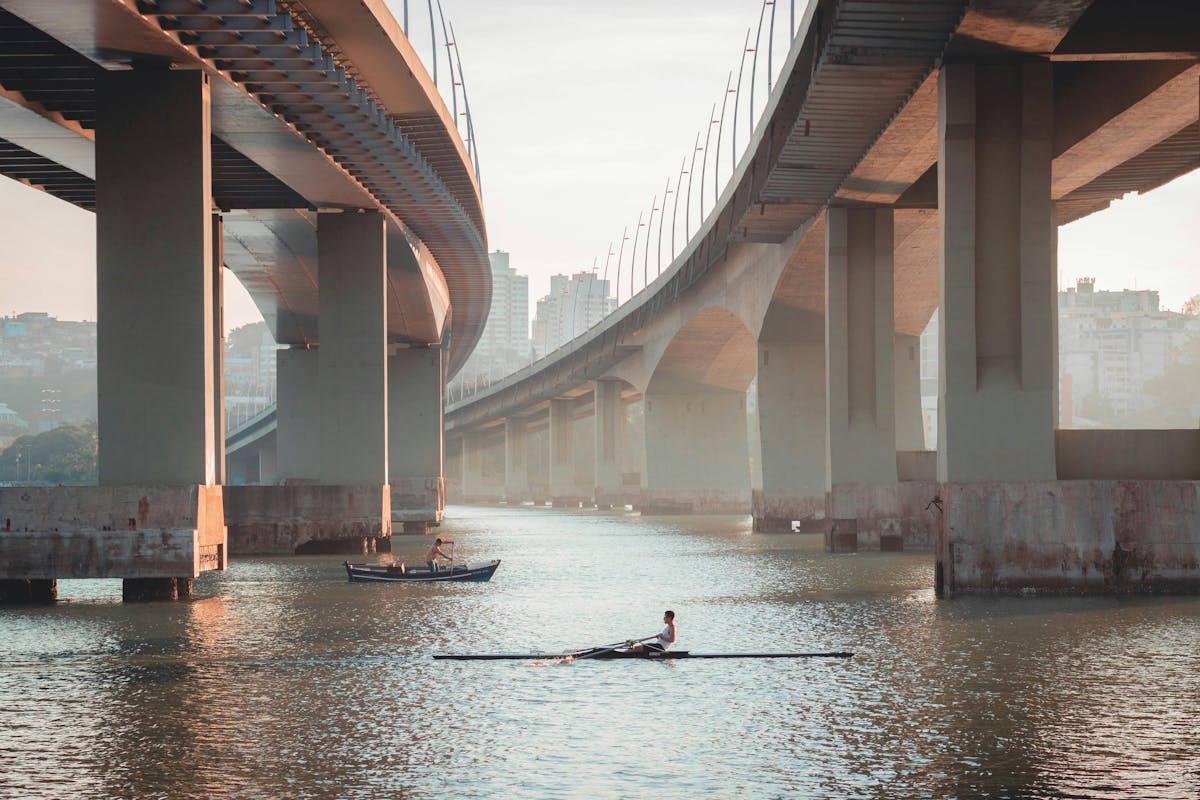
The rowing clubs of Tigre line the riverbank like a gallery of Belle Époque ambition. In the late nineteenth and early twentieth centuries, Tigre was the weekend retreat of Buenos Aires’ elite, and the grand clubhouses they left behind — columned facades, boathouses, manicured grounds — still stand as monuments to a particular idea of leisure. Rowing remains serious business here. On Sunday morning I watched sculls and eights cut through the still water while the clubs’ flags hung motionless in the early heat. It felt like a world that had quietly refused to update.
Mate is the currency of the delta, and I mean that more literally than usual. Every dock, every boat deck, every island gathering involves the thermos, the gourd, and the unhurried passing of the bombilla from hand to hand. The ritual fits the setting perfectly — mate demands time, conversation, and the willingness to sit still, all of which the delta provides in abundance. We ate dinner at one of the recreos, the riverside restaurants built on decks over the water — grilled river fish, cold beer, a mosquito that found Lia before she found it. Boats drifted past at arm’s length while we ate. The city, with all its noise and velocity, was barely an hour away. It might as well have been on another continent.
We stayed one night on a small island lodge, and I think that decision made the whole trip. After the last lancha passed and the river quieted, the delta revealed something it keeps from day visitors: a darkness so complete the stars seemed to press downward, frogs in full chorus, the splash of a nutria entering the water near our dock. By morning, mist was rising from the channels, and the birds had started — herons, kingfishers, and the unmistakable hornero, Argentina’s national bird, calling from its mud-oven nest somewhere in the willows. I had coffee on the dock before Lia was awake and felt, briefly, like I was the only person in the delta. I was almost certainly not, but the feeling was real.
When to go: September through April brings warm weather and the lushest vegetation. I’d push for weekdays if you can manage it — weekends draw large crowds from Buenos Aires, particularly in summer. January and February are hot and humid, with mosquitoes at their most persistent (Lia would underline this twice). Autumn, from March through May, brings golden light and cooler temperatures, and is probably the most pleasant season for exploring the waterways at a real pace.