Buenos Aires's grandest neighborhood, built around a cemetery of marble mausoleums and Evita's crowded tomb.
Of everywhere Lia and I went in Buenos Aires, Recoleta is the one that felt least like Argentina and most like its own separate country — wide Parisian boulevards, French Second Empire mansions, a cemetery more famous than most of the city’s living neighborhoods. It is the barrio where Buenos Aires’s old money settled, and even a century later, the architecture hasn’t let anyone forget it.
The Cemetery
Recoleta Cemetery is the reason most people come, and it deserves the reputation. Four thousand-plus mausoleums packed into fourteen densely gridded acres, a miniature city of marble angels, glass-doored crypts, and family names that used to run the country. I went with a guide, which I don’t always do, and it was worth it here — without one, the layout is a maze and you’ll miss the stories behind the stone.
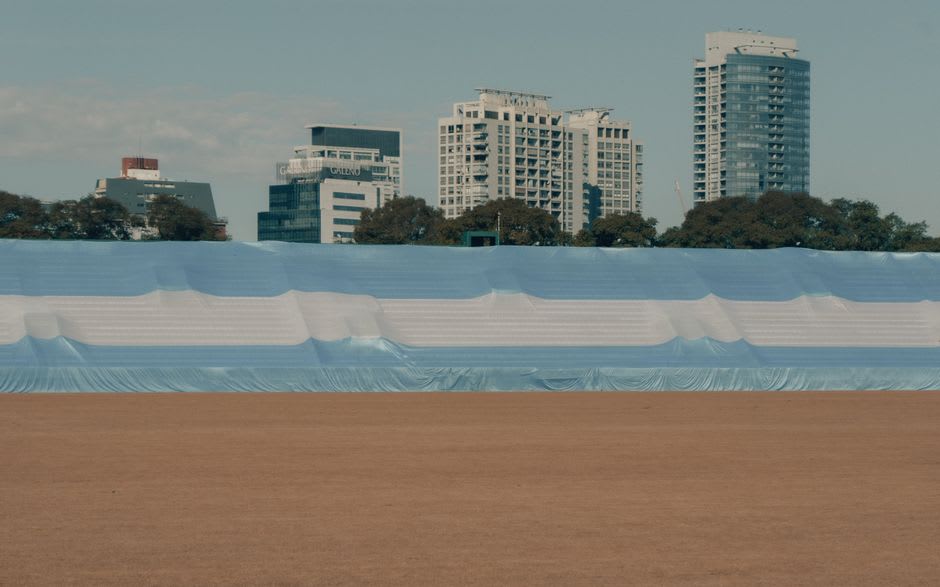
Evita’s tomb is the one everyone is actually looking for, tucked into the Duarte family vault down a side path, modest compared to some of its neighbors and permanently covered in fresh flowers. Our guide told us her body was hidden and smuggled across three continents for over a decade after her death before it finally came to rest here — a detail so strange I had to look it up afterward to confirm he wasn’t exaggerating. He wasn’t.
Around the Plaza
Outside the cemetery gates, Plaza Francia and the surrounding streets host a weekend crafts fair under the trees, and the domed Basílica del Pilar next door is worth ten quiet minutes after the cemetery’s density. We had lunch at a café on Avenida Alvear where the waiter wore a bow tie and the prices matched the neighborhood’s reputation exactly.
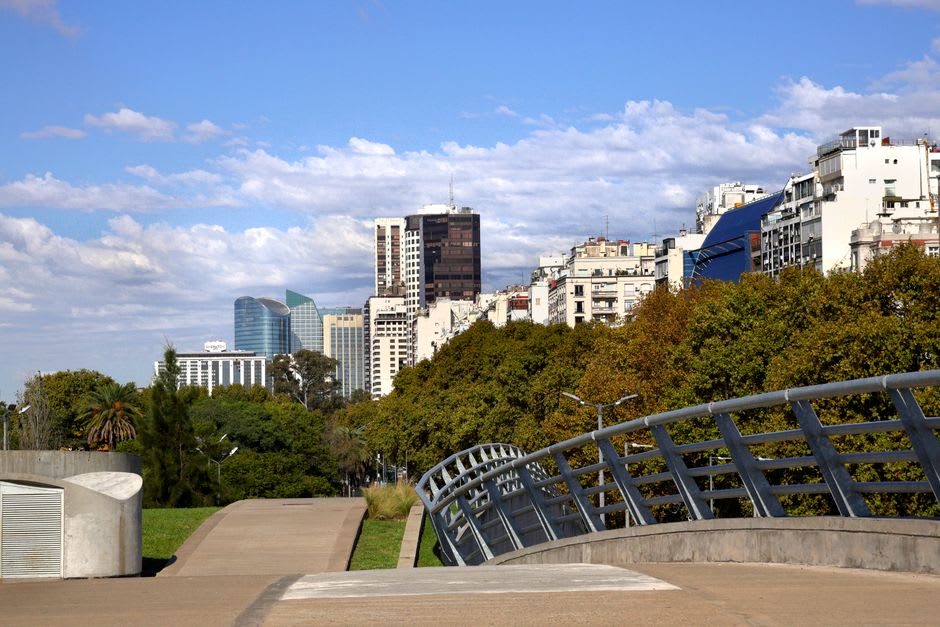
The Centro Cultural Recoleta, housed in a former convent, rounds out an afternoon here with rotating contemporary art shows that felt like a deliberate counterweight to all that marble.
When to go: Weekday mornings for the cemetery, when it’s quiet enough to actually read the inscriptions. Weekend afternoons bring the crafts fair to life around Plaza Francia if you want more street energy.
Keep exploring
More from Argentina
 argentina
 Rio Gallegos
The windswept provincial capital of Santa Cruz, a practical waypoint for anyone crossing into deep Patagonia or Tierra del Fuego.
Explore argentina
 Rosario
A confident river city on the Paraná, birthplace of Che Guevara and the national flag, with a riverside culture that rivals Buenos Aires without trying to be it.
Explore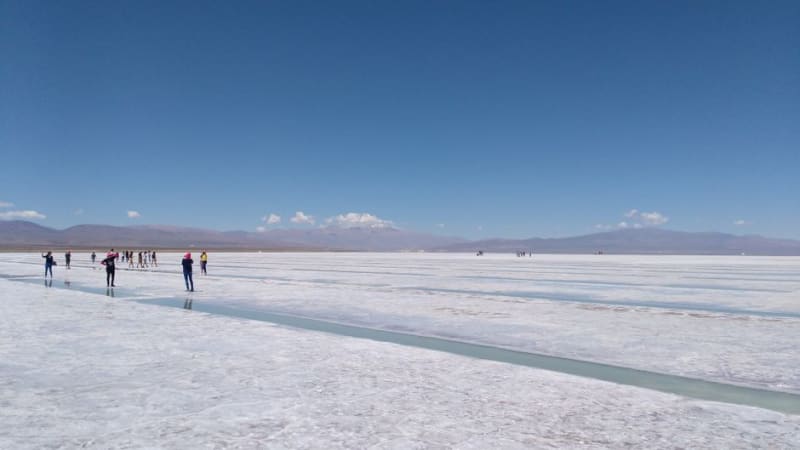 argentina
 Salinas Grandes
A vast white salt flat straddling the Jujuy-Salta border at 3,450 meters, where the sky doubles itself on a mirror of crystallized salt.
Explore argentina
 Salta
Colonial elegance in Argentina's northwest — red-rock canyons, empanadas, and Andean folk traditions.
Explore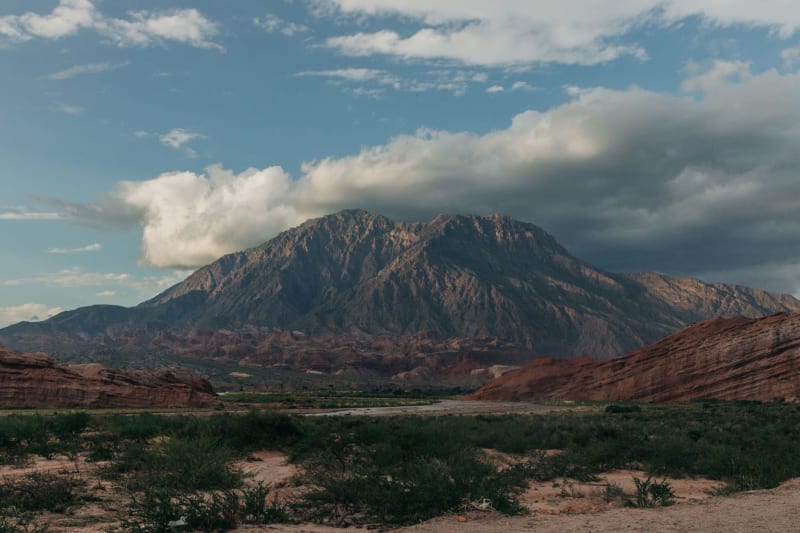 argentina
 Salta City
La Linda, they call it — this northwestern city of colonial churches and empanadas framed by Andean hills.
Explore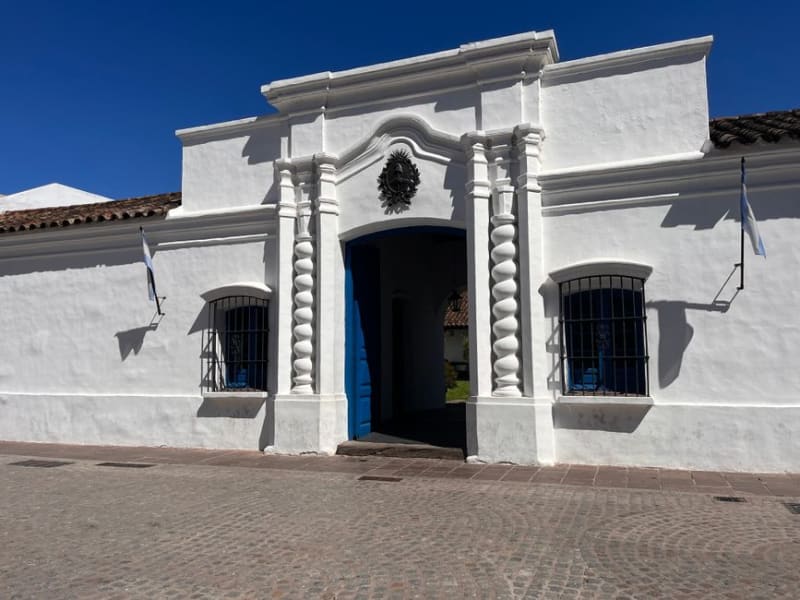 argentina
 San Antonio de Areco
A pampas town frozen somewhere in the nineteenth century, home to Argentina's finest silversmiths and its most authentic gaucho culture.
Explore