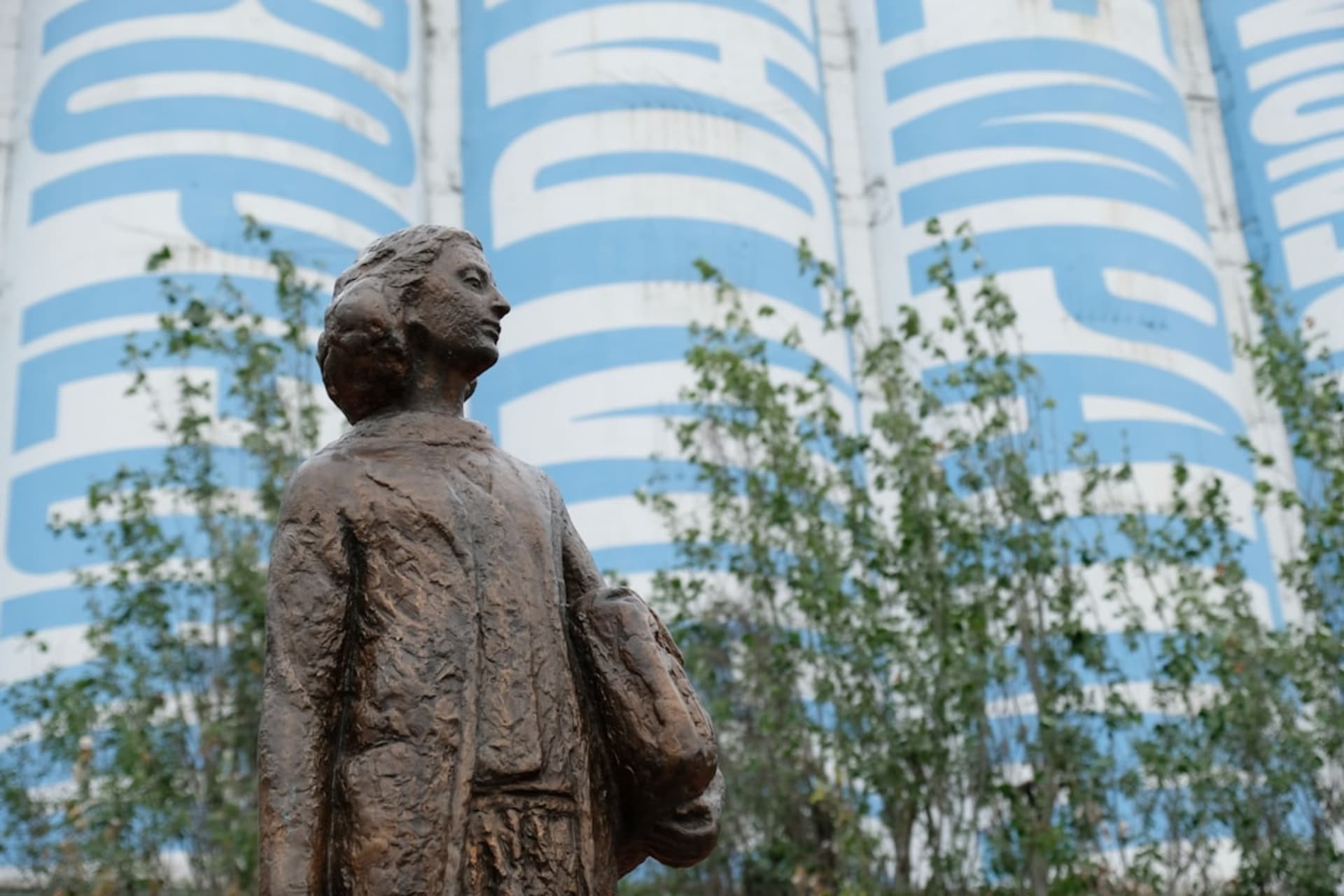
Puerto Madero
"Puerto Madero is the Buenos Aires that decided to stop looking backward."
Buenos Aires's glass-and-steel waterfront reinvention, built around a curved white pedestrian bridge and a wild ecological reserve.
Puerto Madero confused me for the first hour. After days spent in the ornate, slightly crumbling grandeur of Recoleta and San Telmo, walking into a district of glass towers, renovated brick warehouses, and joggers in expensive activewear felt like I had accidentally crossed into a different city. It is, in a sense — this whole waterfront was derelict docklands until the 1990s, and the redevelopment is deliberate, polished, and very much aimed at a different Buenos Aires than the one I’d been falling for all week.
The Bridge and the Docks
Puente de la Mujer, the white cable-stayed pedestrian bridge designed by Santiago Calatrava, is the district’s signature image, and it earns the reputation — it pivots open to let boats through the old dock channel, and at sunset the whole structure catches an orange light that makes every photo look staged even when it isn’t. Lia and I walked it twice in one evening just to watch the light change.
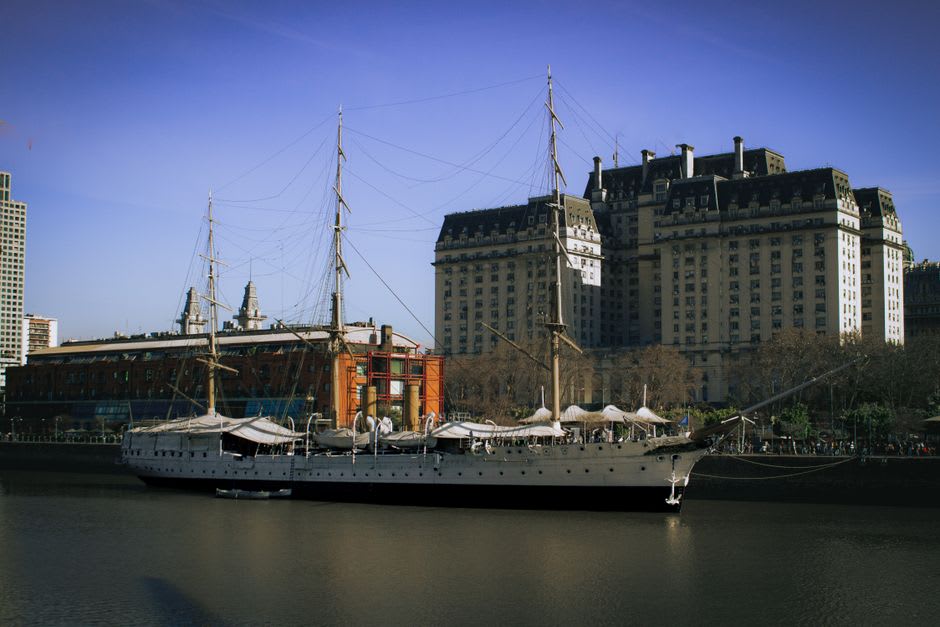
The old brick dock warehouses along Dique 3 and 4 have been converted into restaurants, and this is where Buenos Aires puts its most expensive steakhouses — good food, but I found myself missing the sidewalk parrilla in Palermo where the whole experience felt less curated.
Costanera Sur Ecological Reserve
The real surprise of Puerto Madero is what sits just past the towers: 350 hectares of wetland and marsh that reclaimed a stretch of landfill along the Río de la Plata and turned it into one of the best birdwatching spots in the city. We walked in expecting ten quiet minutes and stayed for two hours — herons, coots, and on the day we went, a pair of southern screamers that our guide seemed genuinely excited about.
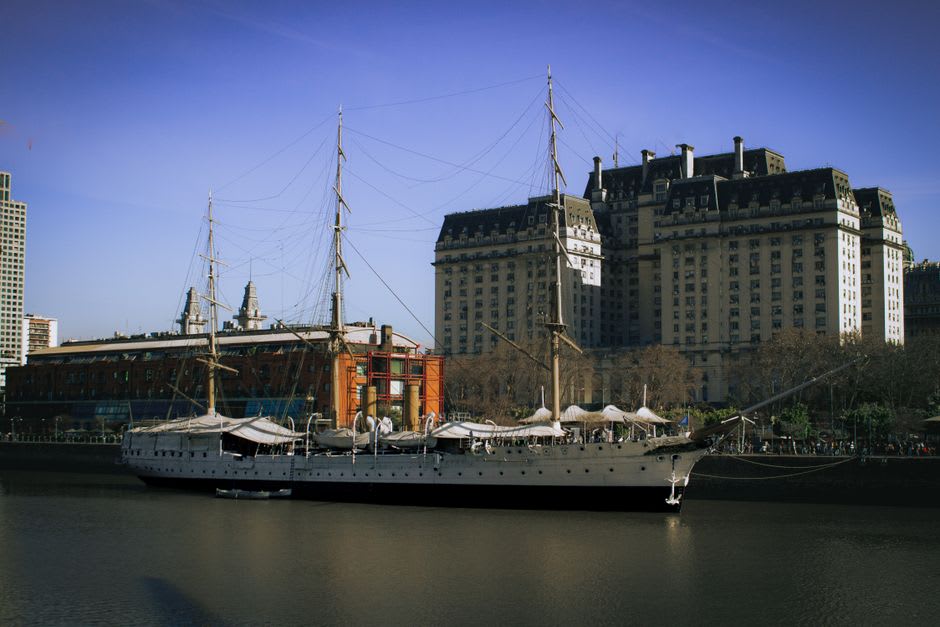
The contrast is the whole point: turn one way and you see the financial district’s skyline, turn the other and you’re in marshland that could pass for the Pampas.
When to go: Late afternoon into sunset for the bridge and the skyline light. Early morning for the ecological reserve, when the birdlife is most active and the joggers haven’t yet crowded the paths.
Keep exploring
More from Argentina
 argentina
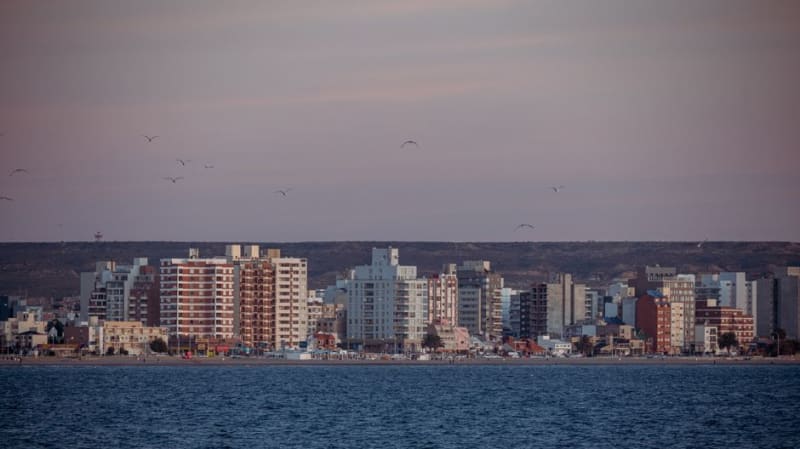
 Puerto Madryn
A low-key Atlantic coastal city in Chubut that serves as the gateway to whale watching and the wildlife of Peninsula Valdés.
Explore argentina
 Purmamarca
A tiny adobe village in Jujuy stacked against the seven-colored striations of Cerro de los Siete Colores.
Explore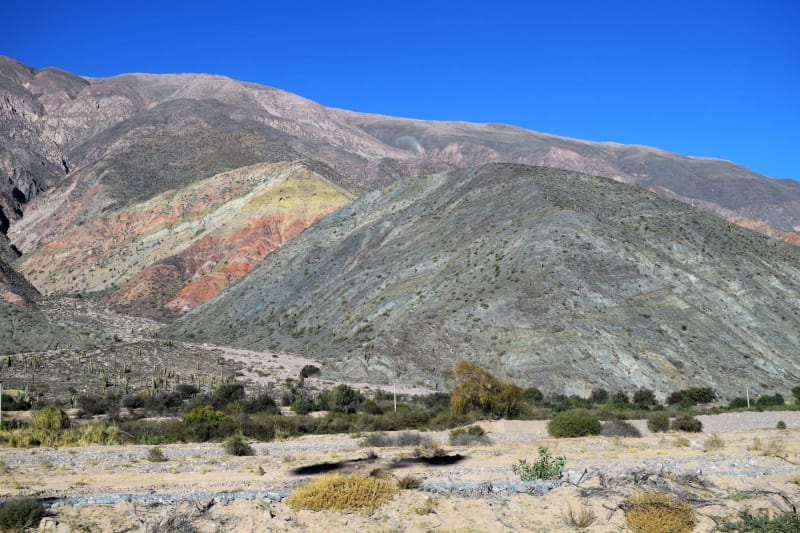 argentina
 Quebrada de Humahuaca
A UNESCO-listed gorge of 14 colors where ancient Andean cultures, cactus, and carnival traditions live together.
Explore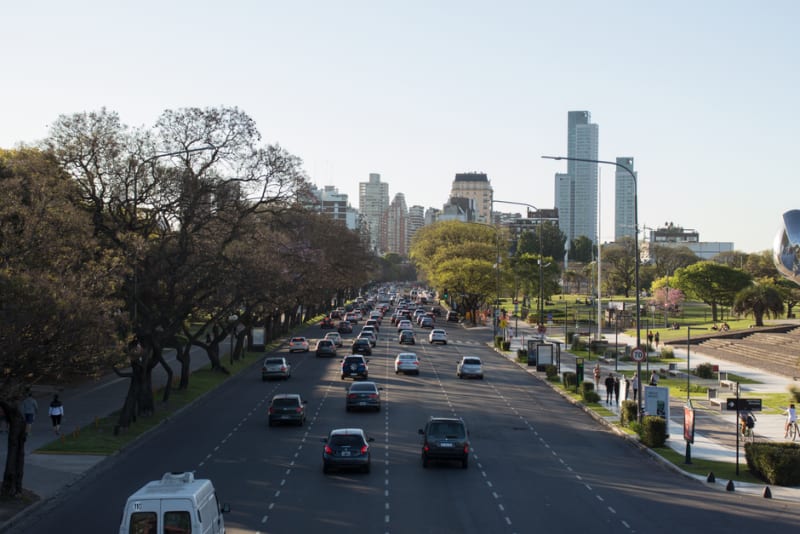 argentina
 Recoleta
Buenos Aires's grandest neighborhood, built around a cemetery of marble mausoleums and Evita's crowded tomb.
Explore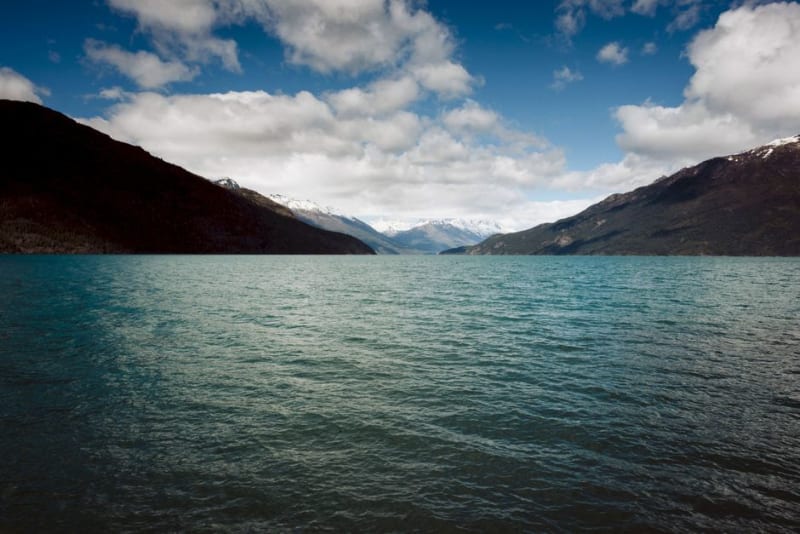 argentina
 Rio Gallegos
The windswept provincial capital of Santa Cruz, a practical waypoint for anyone crossing into deep Patagonia or Tierra del Fuego.
Explore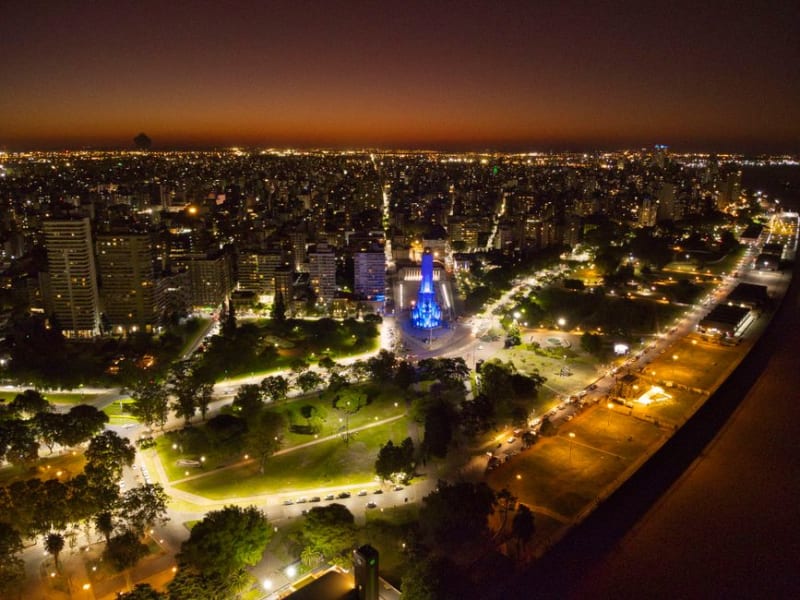 argentina
 Rosario
A confident river city on the Paraná, birthplace of Che Guevara and the national flag, with a riverside culture that rivals Buenos Aires without trying to be it.
Explore