Buenos Aires's original dockworkers' barrio, painted in scrap-metal colors, loud with tango and football.
I almost didn’t go. Every guidebook warns you about La Boca in the same breath they recommend it, which is a strange kind of endorsement — go, but only to the four blocks around Caminito, and don’t wander. Lia rolled her eyes at the warnings and we went anyway, on a Tuesday morning when the tour buses hadn’t arrived yet, and what I found was a neighborhood that makes no apology for being exactly what it is.
Caminito and the Color
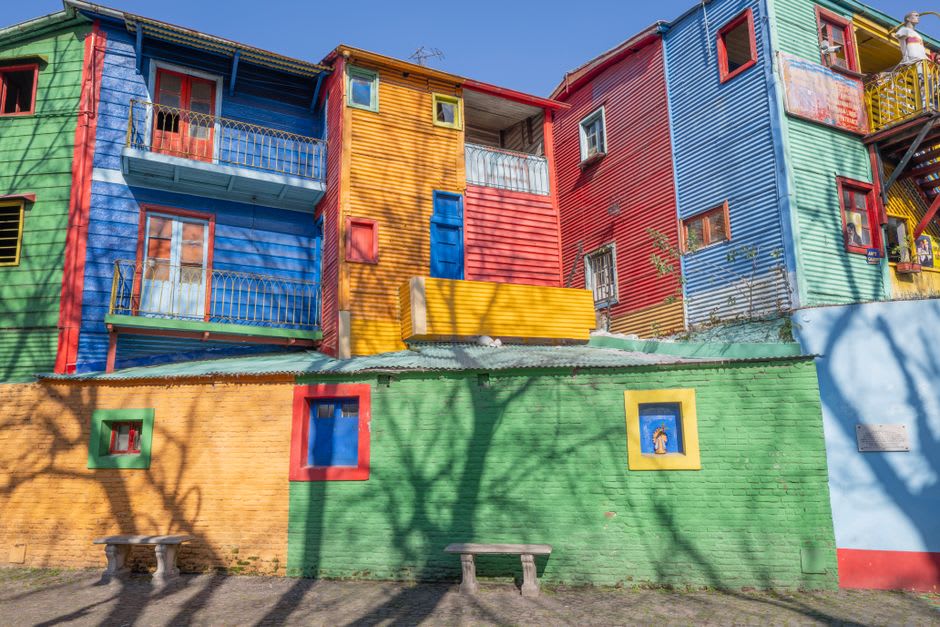
The story behind the paint is better than the postcards suggest. La Boca was a working port neighborhood, and the original houses were built from corrugated metal sheeting salvaged from the shipyards, painted with whatever leftover marine paint the workers could get their hands on — which is why no two adjacent walls are ever quite the same color. Caminito itself is barely a hundred meters long, a pedestrian alley that doubles as an open-air gallery, tango dancers posing for photos outside cafes, painters selling canvases of the same street they’re standing on.
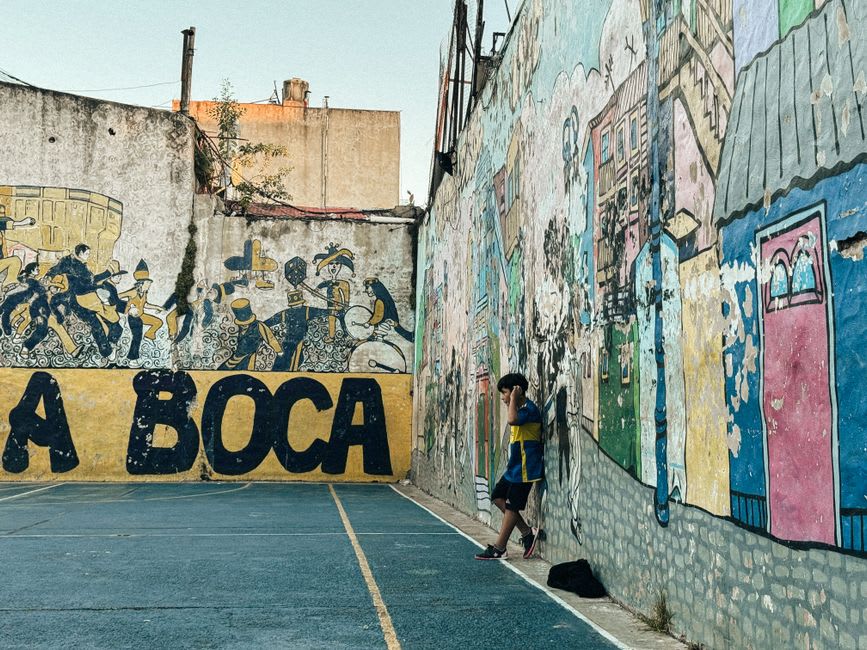
I’ll admit the tourist density took me by surprise — it is a small, concentrated stretch, and everyone knows it. But stand still for a minute past the first wave of camera phones and you notice the details: laundry actually drying on some of those balconies, a man leaning out a window to yell at his neighbor in the specific cadence of a neighborhood that has been arguing with itself for a hundred years.
La Bombonera
Two blocks off Caminito, the stadium rises out of the barrio like a battleship wedged between houses — Boca Juniors’ La Bombonera, one of the most intense places to watch football I’ve encountered anywhere. I didn’t manage to catch a match, but I did the stadium tour, and the museum upstairs traces Maradona’s years at the club with a reverence that borders on religious. The tour guide, a man in his sixties who had clearly done this walk ten thousand times, still lowered his voice when he said Maradona’s name.
What struck me most was the scale relative to the neighborhood around it — a world-famous stadium squeezed into blocks of modest houses, no buffer of parking lots or plazas, just football pressed directly against daily life. That proximity is the whole story of La Boca: nothing here is separated from anything else.
When to go: Weekday mornings for Caminito, before the tour buses arrive around 11am. If you can time a visit around a Boca Juniors home match, do it — the barrio transforms entirely on game day, blue and gold from every window.
Keep exploring
More from Argentina
 argentina
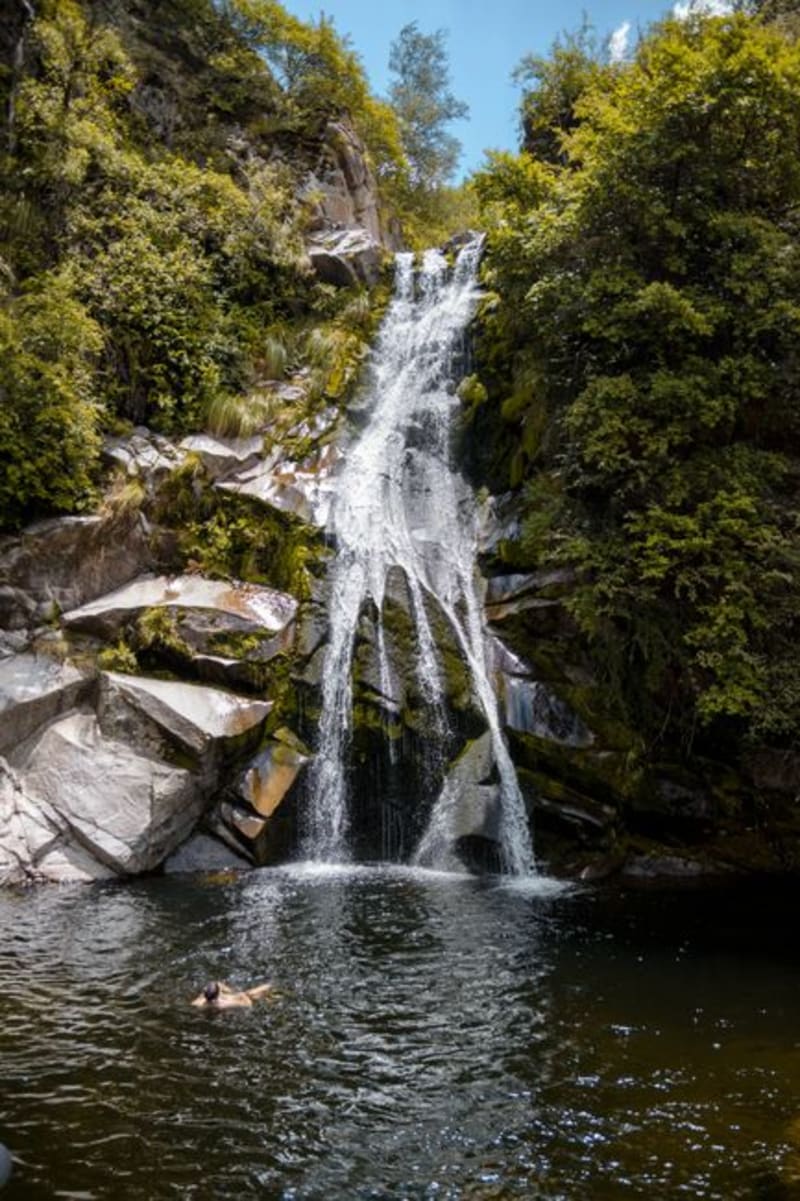
 La Cumbrecita
A car-free alpine village in the Cordoba sierras, reached on foot through pine forest to stone lodges and mountain streams.
Explore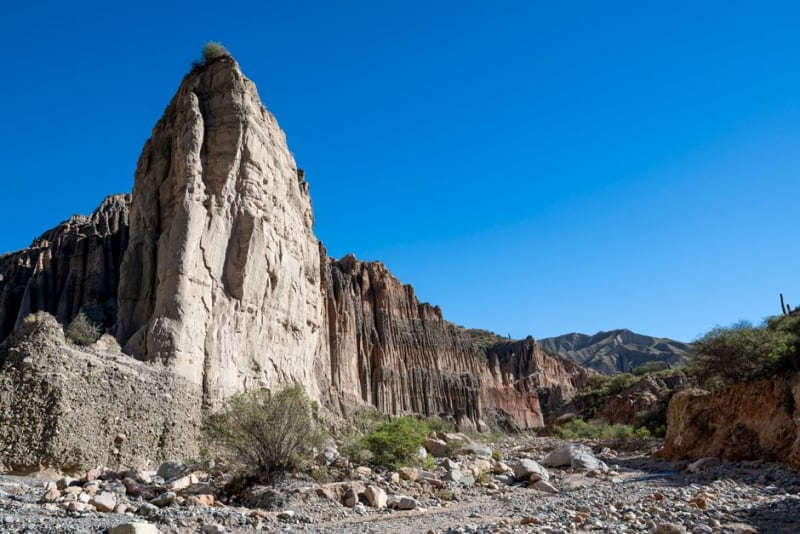 argentina
 La Quiaca
Argentina's northernmost border town, a windswept outpost on the Bolivian frontier at the edge of the Puna.
Explore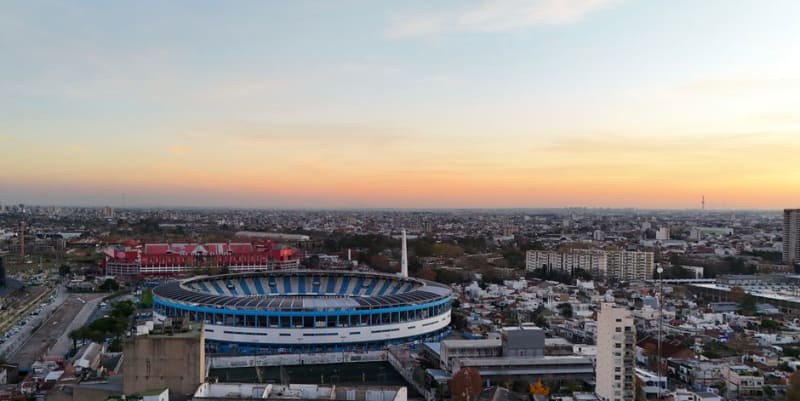 argentina
 La Rioja City
A colonial city in the Andean foothills surrounded by olive groves, with a slower pulse than any other provincial capital I've visited in Argentina.
Explore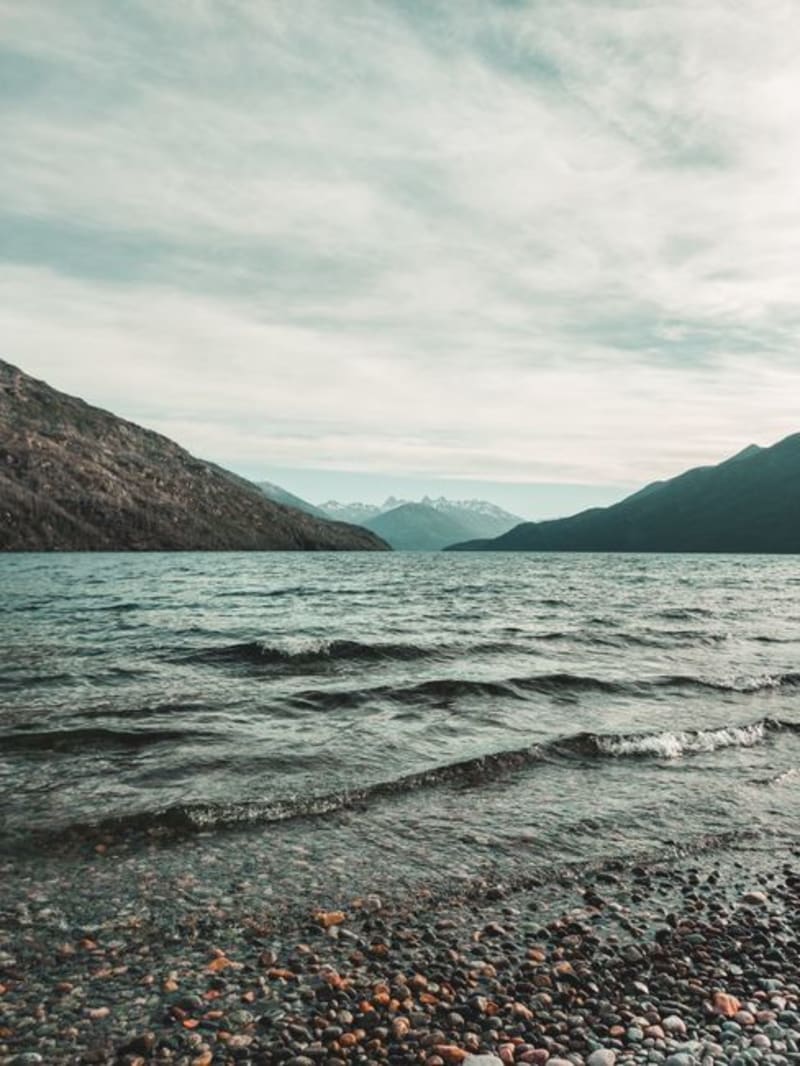 argentina
 Lago Argentino
Argentina's largest lake — a glacial-fed expanse of turquoise water threading between icebergs and ice walls.
Explore argentina
 Lago Puelo
A small national park town near El Bolsón, its lake so warm and clear it feels imported from a different climate.
Explore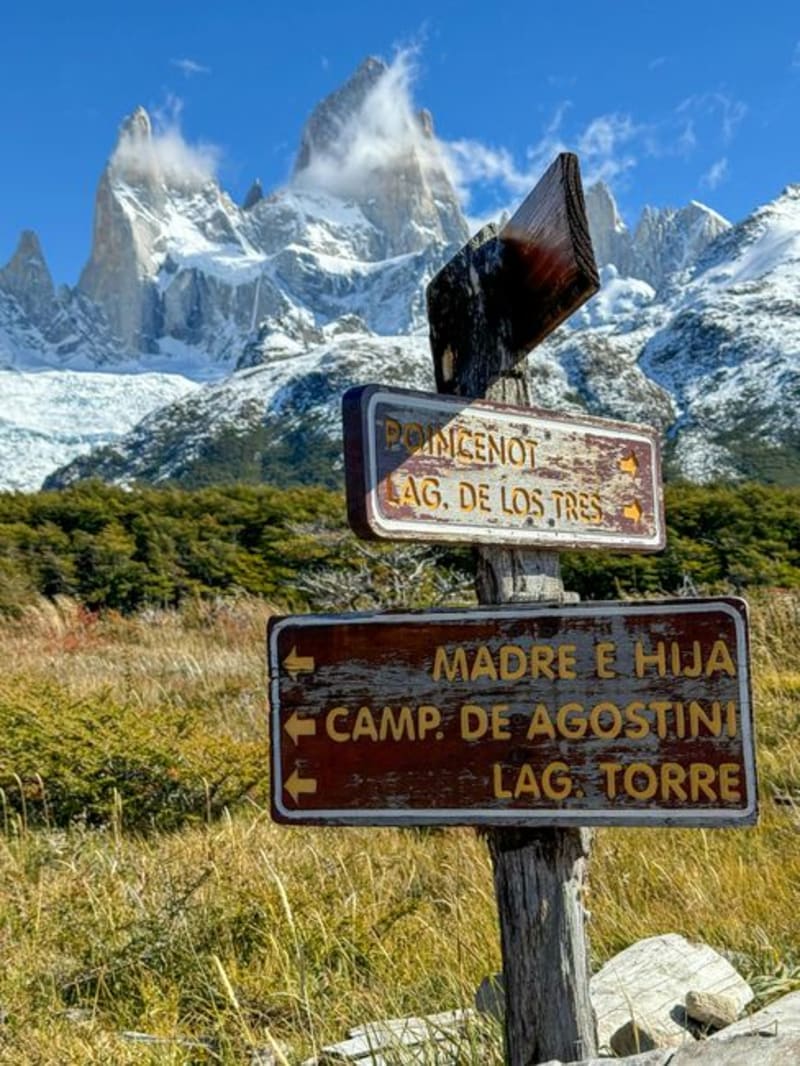 argentina
 Laguna Torre
A windswept glacial lake beneath Cerro Torre's improbable granite needle — El Chalten's quieter trek.
Explore