
Iguazu Falls
"Poor Niagara — after seeing Iguazu, everything else is just water falling."
Nearly 275 waterfalls crashing through subtropical jungle — nature at its most thunderously spectacular.
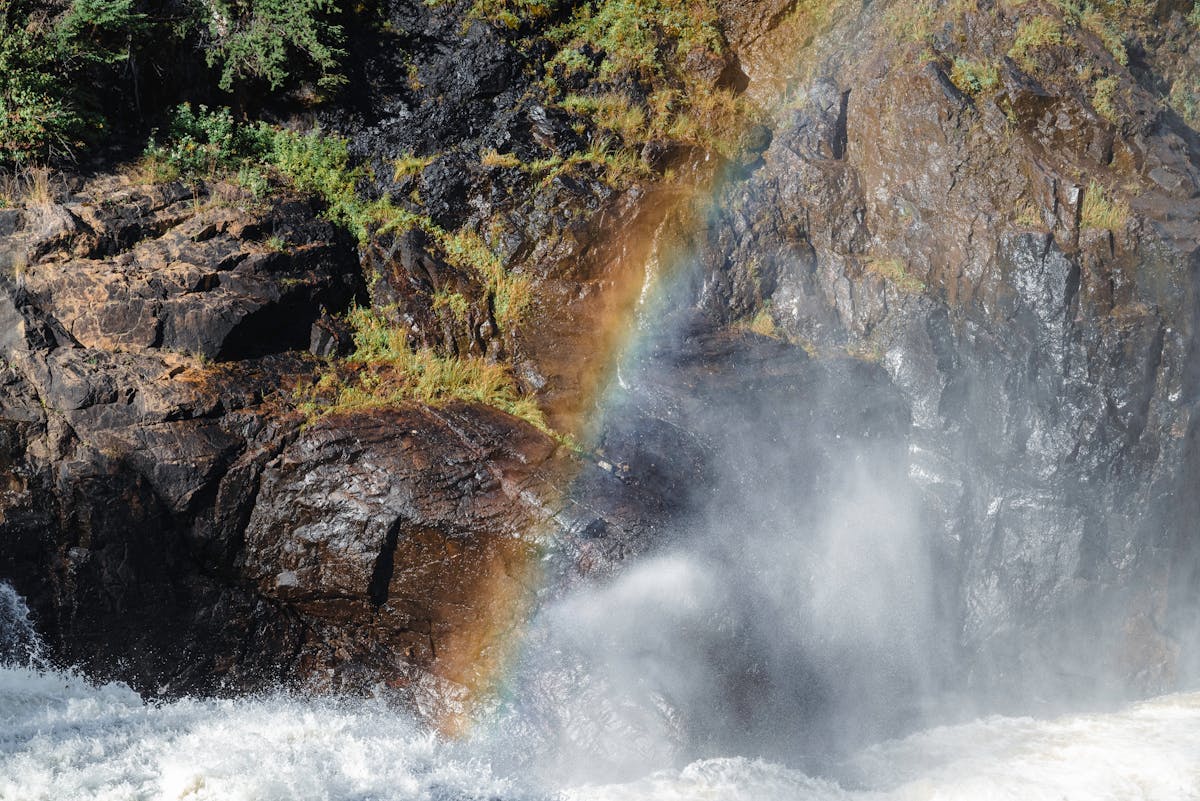
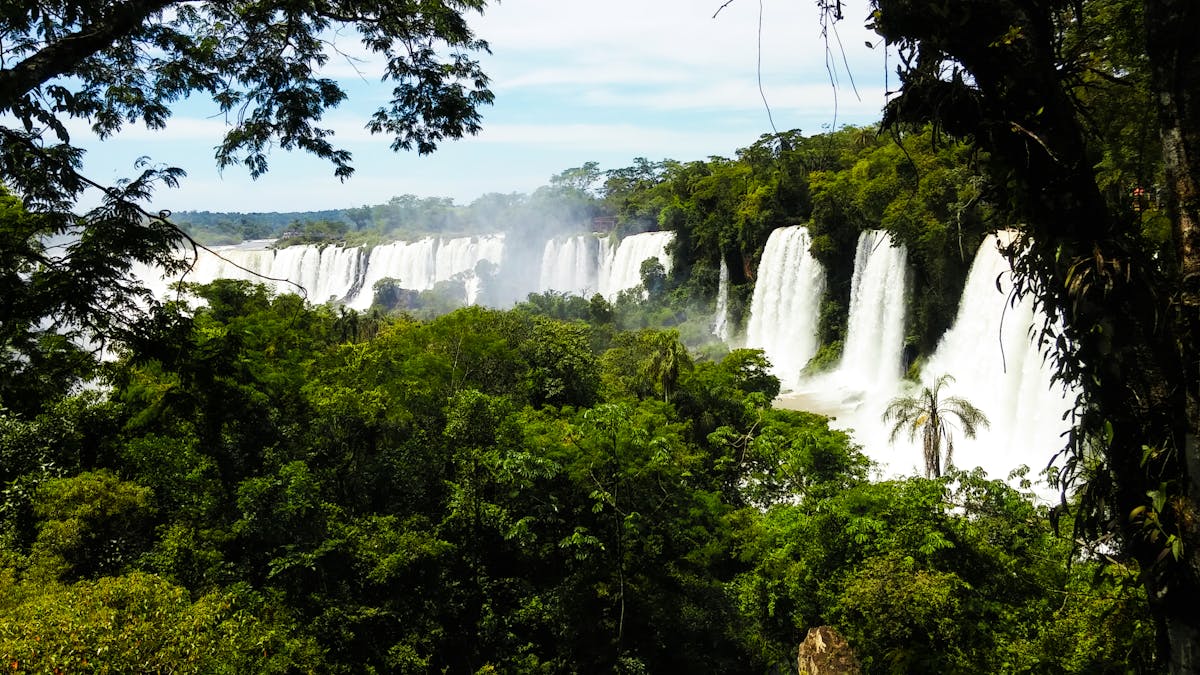
I heard Iguazu before I saw it. A low, percussive roar rose through the subtropical canopy — through the ferns and orchids and the dripping vines that laced the treetops together — and grew steadily until it was no longer a sound but a physical sensation, a vibration in my chest and in the soles of my feet. Then the jungle parted, the walkway opened onto the gorge, and I ran out of language. Nearly 275 individual cascades spread across almost three kilometers of the Iguazu River, a curtain of white water plunging into a chasm so vast and so violent that the mist it generates creates its own weather system. Rainbows ignited and dissolved in the spray around us. The air tasted of wet stone and green.
The Argentine side of the falls puts you inside the spectacle rather than across from it, and that distinction matters enormously. Lia and I spent most of our first morning working our way through a network of metal walkways that thread through the jungle and out over the river, close enough to feel the spray on our faces and the wind that the falling water generates — a cold, damp updraft that tore at our clothes and made conversation impossible. We gave up trying to talk. The upper circuit offered a god’s-eye view of the cascades as they pour over the basalt lip and vanish into white chaos below. The lower circuit took us down to the base of several falls, where the water hits the river with a force that feels geological rather than hydrological — as if the ground itself is being remade in real time.
But nothing prepared me for the Devil’s Throat. A kilometer-long walkway extends across the upper river — calm, deceptively placid water sliding over submerged rocks, almost gentle — until it terminates at the brink of a horseshoe-shaped chasm where fourteen individual falls converge into a single, annihilating column of water. The noise at the railing is absolute; I felt it in my molars. The mist was so thick it obscured the far wall entirely. I stood there longer than I expected to, looking down into what I can only describe as a void — a place where water ceases to be water and becomes pure energy, a roaring white nothingness that swallows everything, including thought. Lia grabbed my arm. I think she just needed something to hold onto.
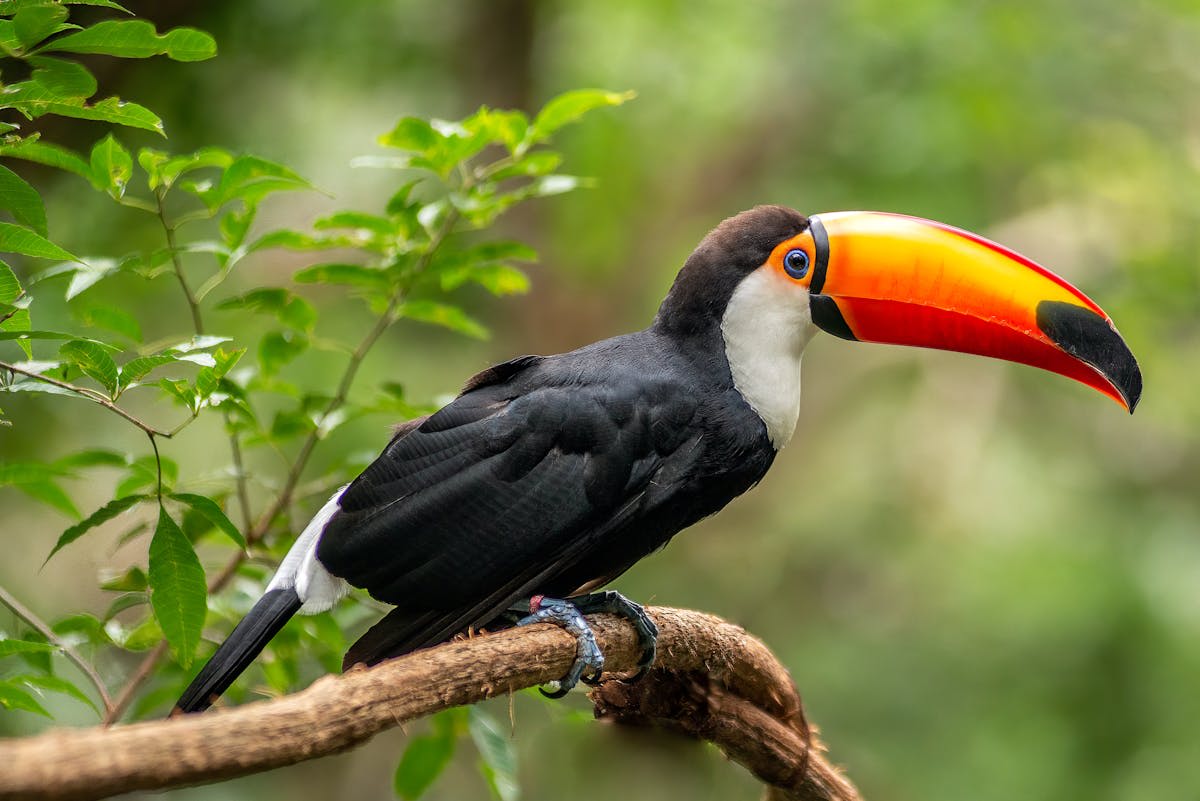
The jungle framing the falls is remarkable in its own right, and I say this as someone who usually finds wildlife observation overhyped. This is Atlantic Forest, one of the most biodiverse ecosystems on Earth, and the trails connecting the walkways were alive in a way I felt immediately. Toucans — their bills improbably large and jewel-bright — perched overhead in the canopy with the casual indifference of animals who know they’re extraordinary. Coatis, those raccoon-nosed opportunists, patrolled the walkways with the brazen confidence of animals that have learned tourists carry food; one tried to climb into my day bag. Butterflies in electric blues and sulphur yellows drifted through the mist zones in swarms so thick they seemed choreographed. Giant lizards basked on sun-warmed rocks and did not move for us. The entire park hummed with the industrious noise of a tropical forest doing what it does best: growing, eating, singing, decaying, growing again.
Lia insisted on the boat excursion. I was skeptical — being pointed directly at a waterfall in a rubber dinghy sounded like a gimmick — but I was wrong. The rigid inflatable nosed into the base of the cascades where the water hammered down with a force that felt personal, drenching us both in about three seconds and producing the kind of involuntary laughter that only genuine astonishment provokes. We emerged dripping, exhilarated, and newly respectful of what moving water can do. I would do it again.
We crossed into Brazil the next morning for the panoramic counterpoint — the wide-angle view that lets you comprehend the full sweep of the falls in a single breathtaking glance. The Argentine side had given us immersion. The Brazilian side gave us perspective. Together, they composed a complete portrait of a natural wonder that no single vantage point can contain, and I left understanding why Eleanor Roosevelt reportedly felt sorry for Niagara when she stood here in 1944. The quote attributed to her is probably apocryphal. The sentiment is not.
When to go: Lia and I went in late September and the conditions were nearly ideal — comfortable temperatures, strong water flow, manageable crowds. March through May or August through October are the reliable windows. The falls are at their most thunderous from November through February, when seasonal rains swell the river, though the humidity can be punishing. Mornings are noticeably less crowded and give you the best rainbows in the spray, which alone is reason enough to set an early alarm.
What most guides get wrong: Every itinerary I read before going suggested a single day was sufficient. It is not, unless you are genuinely sprinting. The Argentine side alone warrants a full day if you want to do both circuits without feeling rushed, eat lunch at a pace that allows for actual conversation, and spend any real time at the Devil’s Throat. Add a half-day for the Brazilian crossing. Budget two days minimum — three if you want to slow down enough to actually absorb what you’re looking at.