Chos Malal
"Three hours north of the lake district, the trees just stop and the desert takes over."
A dusty, historic town in northern Neuquén where the lake district's forests give way to Andean high desert.
The drive north from Villa Pehuenia to Chos Malal is one of those transitions that makes you reconsider the whole idea of Patagonia as a single landscape. Within a couple of hours the araucaria forest thins out, the green hillsides fade to ochre and rust, and by the time we crossed into the department Chos Malal anchors, we were driving through genuine high desert — scrubby steppe, volcanic outcrops, and a sky so wide it made the car feel smaller. Lia kept checking the map, half convinced we’d taken a wrong turn into a different country.
Chos Malal itself is one of Neuquén Province’s oldest towns, founded in the 1880s as a military outpost and later a territorial capital, and it wears that history plainly rather than dressing it up for visitors. The old fort, the Fortín Chos Malal, still stands on a low rise above the Río Curi Leuvú, its adobe-and-stone walls now more evocative ruin than functioning structure. We wandered through on a quiet afternoon with nobody else around, the only sound the wind moving through gaps in the walls, and it struck me as one of the more honestly aged historical sites I’ve visited in Argentina — nothing restored past recognition, nothing roped off with a gift shop attached.

The town sits at the confluence of the Curi Leuvú and Neuquén rivers, and the contrast between the green ribbon of irrigated valley along the water and the bare, folded mountains rising immediately behind it is dramatic in a way that photographs undersell. We drove up into the foothills one evening just to watch the light change on the exposed rock — reds and purples and a strange mineral gray that shifted as the sun dropped, the kind of geological color show that a place with no forest cover to soften it puts on unapologetically.
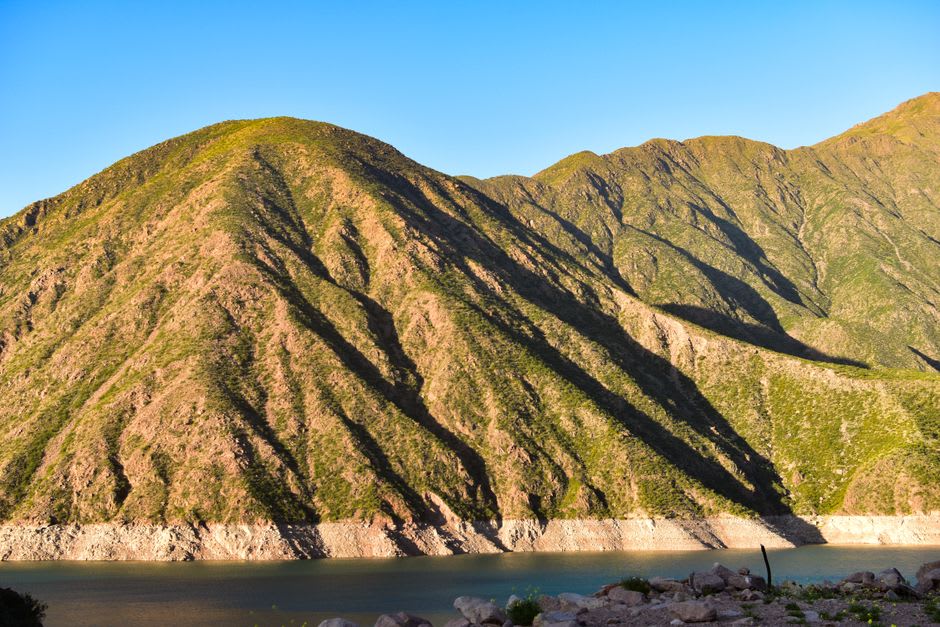
This is not a town built for tourism, and I mean that as a compliment. There’s a modest museum, a plaza that fills with locals in the evening the way small-town plazas across Argentina do, and a handful of simple parrillas where the lamb comes from animals raised a few kilometers away on the steppe. It felt less like a stop on an itinerary and more like a genuine cross-section of what northern Patagonia looks like away from the lake-district marketing machine.
When to go: October through April, avoiding the harsher cold of the high-desert winter. Spring brings a brief green flush to the irrigated valley that’s worth timing for if you can.
Keep exploring
More from Argentina
 argentina
 Colón
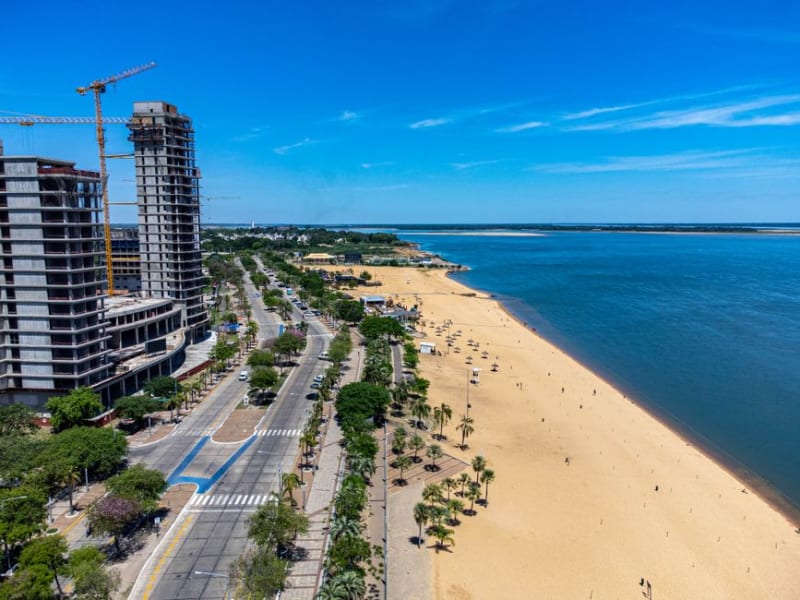
A riverside resort town on the Uruguay with the country's finest beaches on this bank, and El Palmar's palm groves just south.
Explore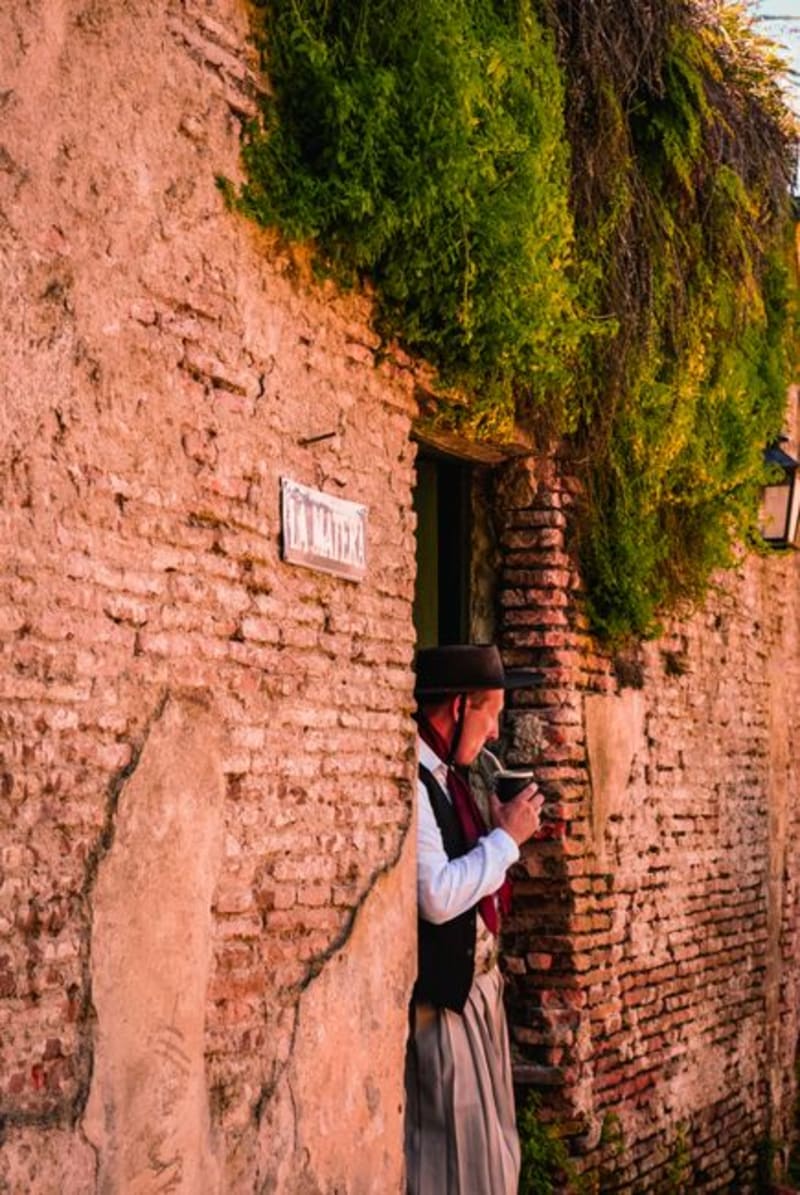 argentina
 Colonia Carlos Pellegrini
A one-street village floating inside the Esteros del Iberá, where capybaras outnumber people and every lodge doubles as a boat dock.
Explore argentina
 Comodoro Rivadavia
A rugged Atlantic oil city in Chubut, built on drilling booms and battered by some of Patagonia's fiercest coastal winds.
Explore argentina
 Concordia
A citrus-country river city on the Uruguay, home to the Salto Grande dam and some of Entre Ríos' best orange groves.
Explore argentina
 Cordoba
Argentina's second city — a university town of Jesuit history, craft beer, and sierras on the doorstep.
Explore argentina
 Manzana Jesuitica
The UNESCO-listed Jesuit Block at the historic heart of Cordoba city, anchoring Argentina's oldest university and colonial churches.
Explore