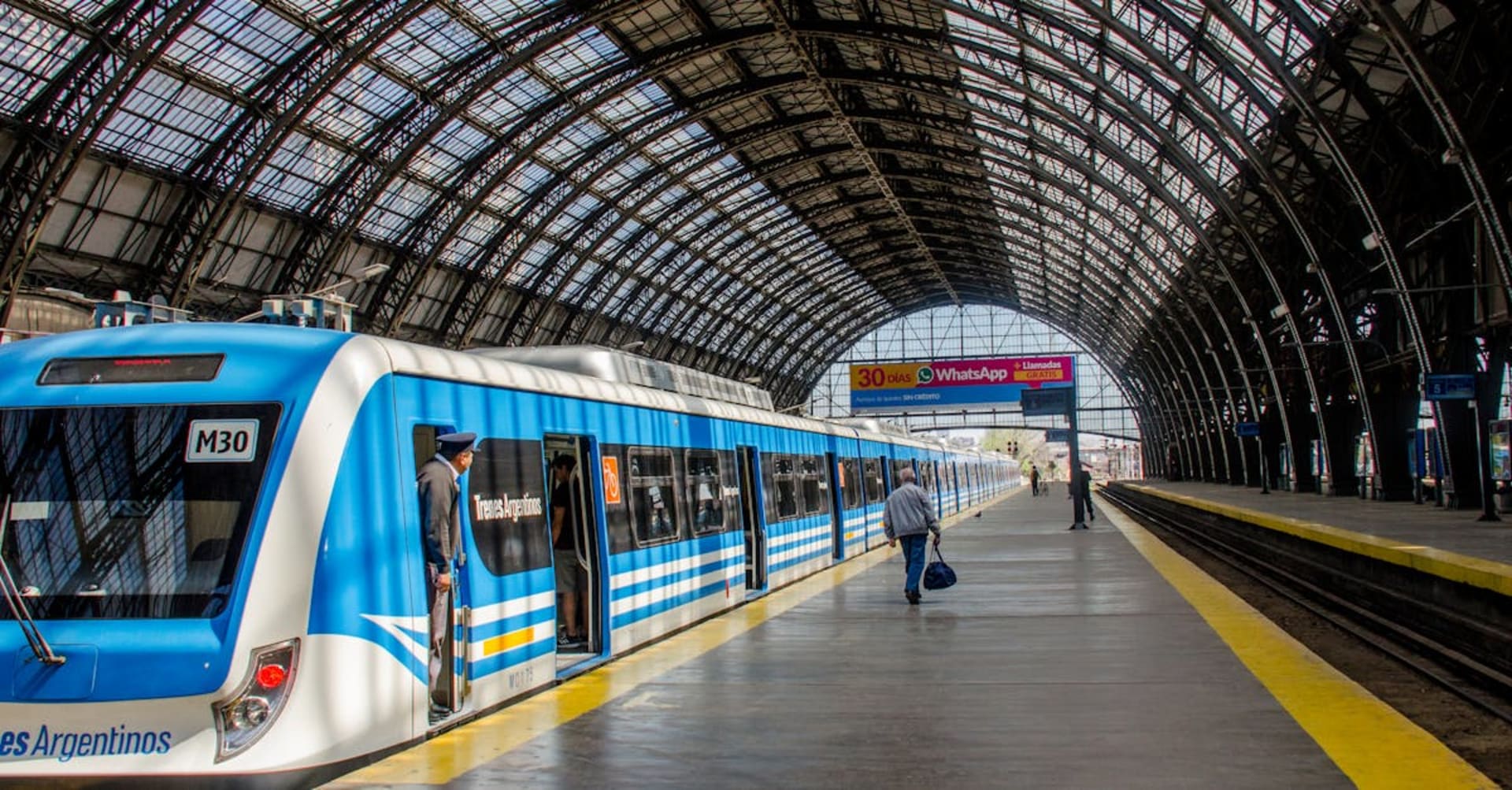
The Paris of South America — tango, steak, Malbec, and a fierce cultural pride on every corner.
Buenos Aires seduced me slowly, and completely. I had been warned it would — every traveler who has passed through acts like a member of a cult — but I did not expect the mechanism to be so undramatic. The city revealed itself not in monuments or museums, though it has plenty of both, but in rhythms: the click of heels on cobblestone, the hiss of an espresso machine in a confiteria that has not changed its wallpaper since 1920, the murmur of a bookshop at midnight where customers browse with the unhurried concentration of scholars. It took me four days to understand that I was not visiting Buenos Aires. I was settling into it.
We started in La Boca, the old port neighborhood where Italian immigrants once painted their corrugated tin houses with leftover ship paint — reds, yellows, blues layered on in thick impasto coats that have become the visual shorthand for the entire city. The Caminito pedestrian street was louder than I expected, and more theatrical than I’d prepared for: street performers, souvenir vendors, tango dancers who performed with the casual mastery of people who learned to dance before they learned to read. Lia bought a print from a man selling watercolors directly off a clothesline. We stayed longer than we planned to. La Boca earns every bit of its reputation, and it does not apologize for being exactly what it is.
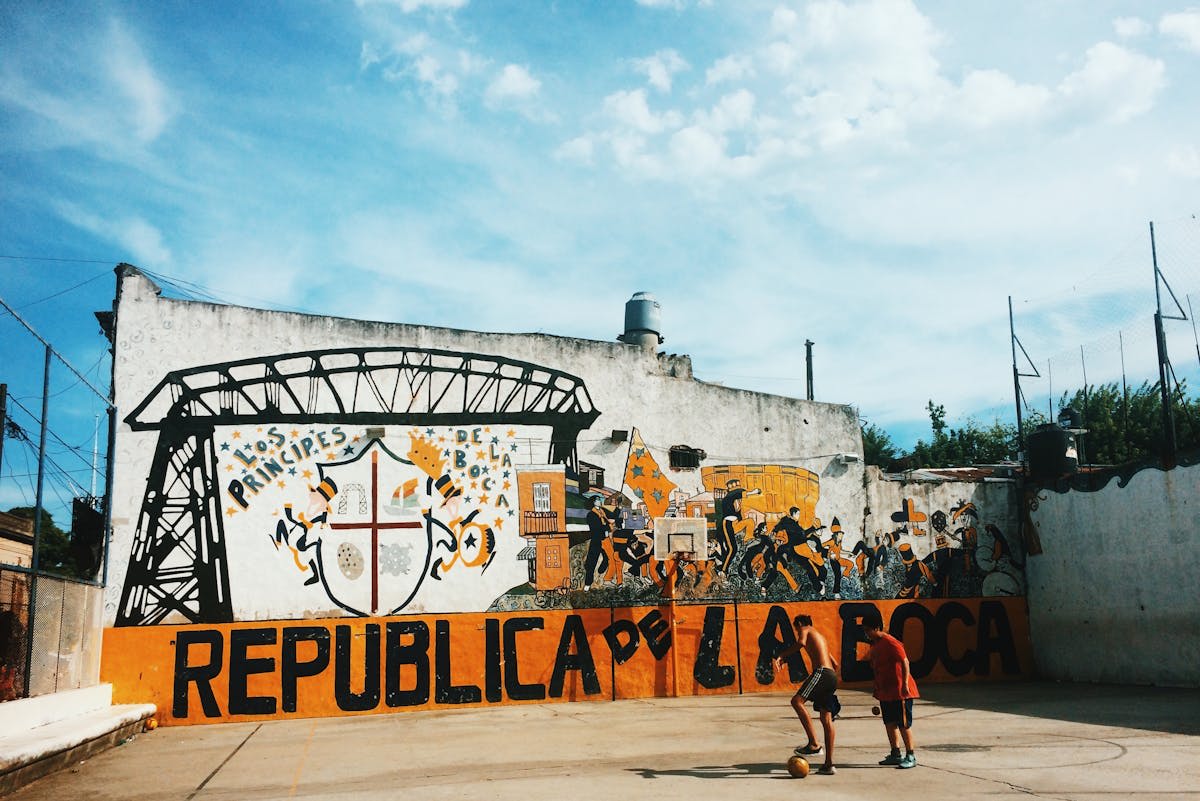
We walked north through San Telmo on a Sunday and the neighborhood swallowed us whole. The streets had become one sprawling antique market — stalls selling silverware, soda siphons, vintage leather, faded tango sheet music. In the doorways of old conventillos, the tenement houses where immigrants once crowded together, couples were dancing milonga steps to a scratchy bandoneon that seemed to be coming from everywhere and nowhere at once. I bought a battered copy of a Borges short story collection for almost nothing. San Telmo is the city’s memory, worn openly on its sleeve, and I spent more time there than I did anywhere else.
Recoleta, by contrast, was Buenos Aires at its most grandly European, and also, I found, at its most quietly strange. The cemetery is no ordinary burial ground — it is a city of the dead rendered in marble and bronze, a labyrinth of ornate mausoleums housing presidents, poets, generals, and Eva Peron herself, whose modest black tomb draws a steady procession of visitors who leave flowers and handwritten notes. Lia and I wandered in the late afternoon for over an hour, losing track of whether we were admiring architecture or just absorbing something unnameable. Afterward we sat at a cafe on the cemetery’s edge and drank cortados and ate medialunas and watched the jacarandas drop their purple blossoms onto the sidewalk in total silence.
Crossing into Palermo Soho, the mood shifted again — lighter, younger, more self-consciously cool. Tree-lined streets sheltered independent boutiques, design studios, and restaurants where young chefs were reinventing Argentine cuisine with the same swagger their grandparents brought to the parrilla. Those parrillas, though, remain sacred, and I had no interest in skipping them for the sake of novelty. The best one we found was a neighborhood institution with no English menu and a wood-fired grill loaded with asado de tira, chorizo, morcilla, and provoleta, the air so thick with smoke and the sweetness of beef fat on embers that my jacket smelled of it for two days. We sat down at ten at night and did not leave until well past midnight. A proper Argentine steak dinner is not about sustenance. It is communion.
The cafe culture deserves its own paragraph, perhaps its own book. I had heard that Buenos Aires had more bookshops per capita than any city on Earth, and I spent an entire afternoon testing the claim, wandering in and out of spots I had not planned to enter. El Ateneo Grand Splendid, a converted theater where you can read in the old box seats, is only the most famous. The tradition of the literary cafe runs deep here, from the historic Tortoni to the countless unmarked neighborhood spots where a single espresso buys you an afternoon of reading and people-watching. Porteños treat cafes the way other cultures treat living rooms — as the place where real life happens. I found myself going back to the same two cafes every day, ordering the same cortado, sitting in the same chair. There are worse habits to fall into.
And then there was the tango. Not the tango of tourist shows — though we saw one of those too, and it was impressive in its own rhinestone-and-spotlight way — but the tango of the milongas, the dance halls that open after midnight in church basements and old social clubs across the city. A local we met at dinner took us to one on our last night. I did not dance. I sat at a small table and watched the cabeceo, that subtle nod of invitation across a crowded room, and then the embrace of strangers, and the way the bandoneon seemed to breathe through people rather than at them. The milonga is where Buenos Aires drops its cosmopolitan armor and becomes something raw and vulnerable and entirely itself. I was glad I saw it. I was glad I did not try to participate in it.
When to go: March through May or September through November offer the most pleasant temperatures and the fullest cultural calendar. Summer (December through February) is hot and humid, and many porteños flee to the coast — the city empties in a way that is either peaceful or deflating depending on what you are after. Winter is mild but overcast, though I found the milongas and cafes burn brighter in the cold, as if the whole city leans inward.