A high desert valley in San Juan province where the wind drives sailcarts across a dry lakebed under some of Argentina's darkest skies.
Barreal is one of those places I would struggle to describe to someone who hasn’t stood in it, because the two things that make it remarkable — a dry lakebed and a hard, constant wind — sound unremarkable until you’re actually there watching a sailcart do sixty kilometers an hour on nothing but moving air.
The Pampa
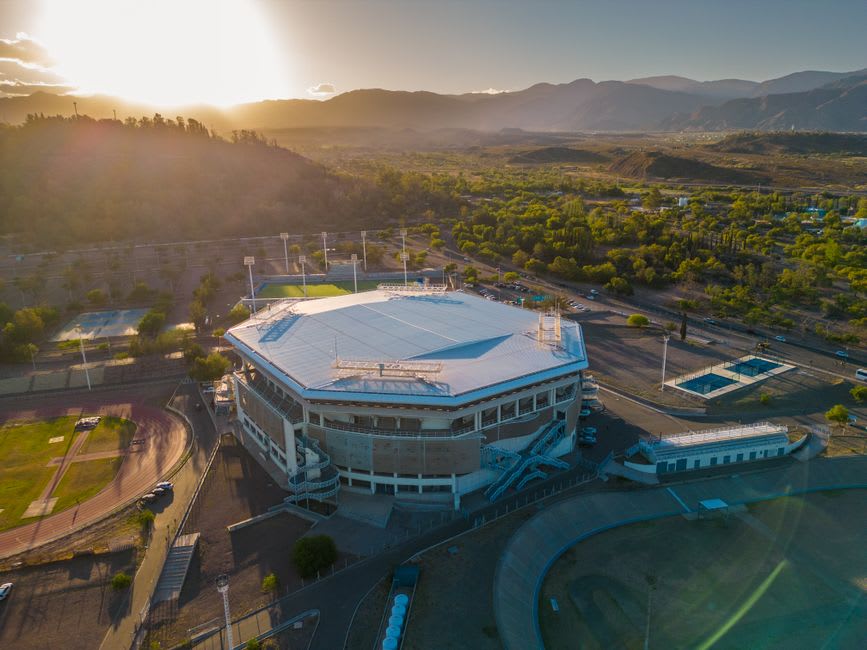
Pampa El Leoncito is a flat expanse of cracked, pale earth ringed by the Andes, and locals have been racing wind-powered carrikites — carrovelismo, they call it — across it for decades. I watched a group of them set up before dawn, unfolding sails onto three-wheeled frames, and within minutes they were skimming across the flat in near silence except for the whip of fabric and the crunch of dry ground. Someone offered me a ride and I said yes before thinking it through. It is somewhere between sailing and falling, and I laughed the entire time in a way that surprised me.
Why the Sky Matters So Much Here
The same flatness and dryness that makes the pampa good for sailcarts makes it exceptional for astronomy. El Leoncito Astronomical Complex sits nearby, chosen by scientists decades ago specifically because the air here is unusually still and the cloud cover unusually rare — something to do with the way the Andes block moisture from both directions. Lia and I drove out one night with a local guide who set up a modest telescope in a field, and Saturn’s rings were sharp enough that I actually laughed out loud, the same way I had on the sailcart, but quieter this time.
The Village Itself
Barreal is small enough that you can walk its center in ten minutes — poplar-lined streets, a plaza, a handful of family-run posadas that serve homemade bread with breakfast without being asked. Nobody here seems to be selling you an experience. They’re just living in a place other people find extraordinary, which might be the most honest kind of tourism there is.
When to go: Winter months, June through August, bring the clearest skies for stargazing, though the cold is real at this altitude. For sailcarting and general visits, September through November and March through April offer milder wind and comfortable daytime temperatures.
Keep exploring
More from Argentina
 argentina
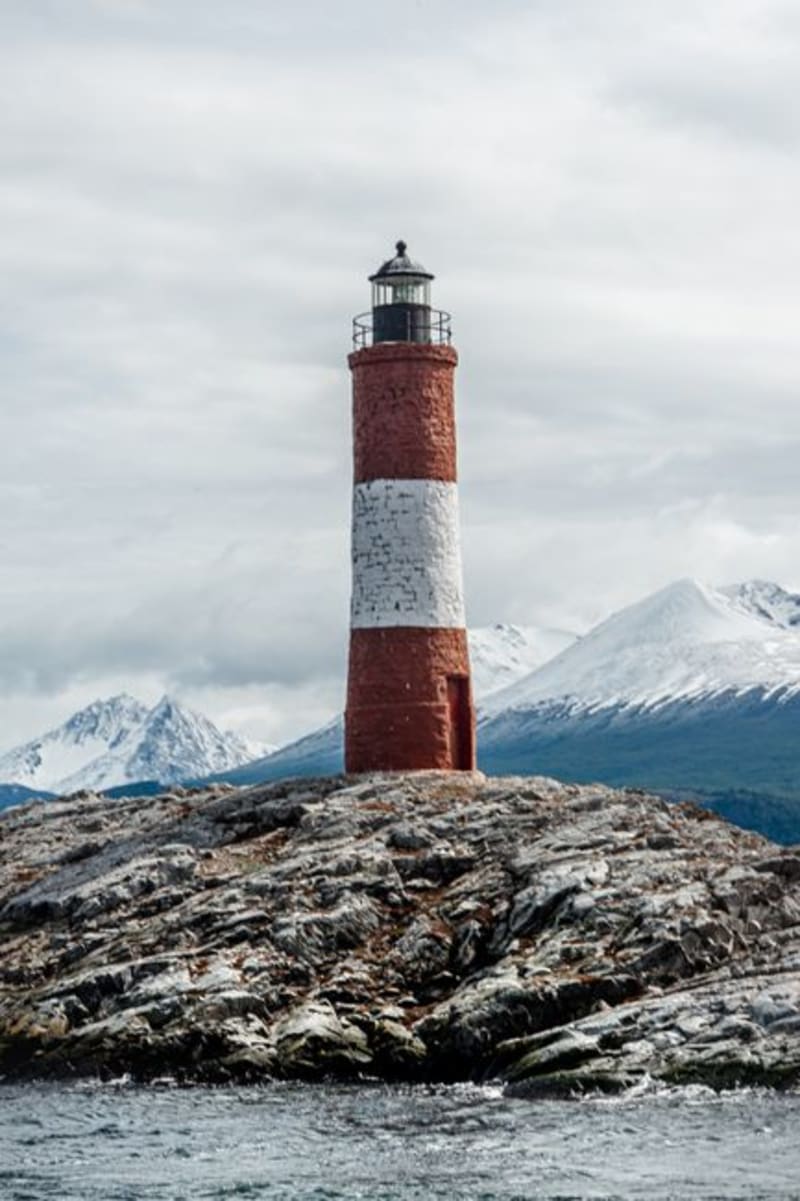
 Beagle Channel
The strait between continents — sea lion colonies, penguins, and lighthouses on a boat trip out of Ushuaia.
Explore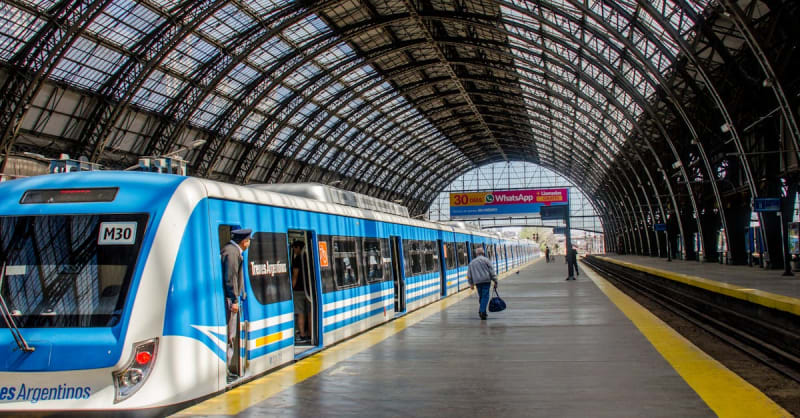 argentina
 Buenos Aires
The Paris of South America — tango, steak, Malbec, and a fierce cultural pride on every corner.
Explore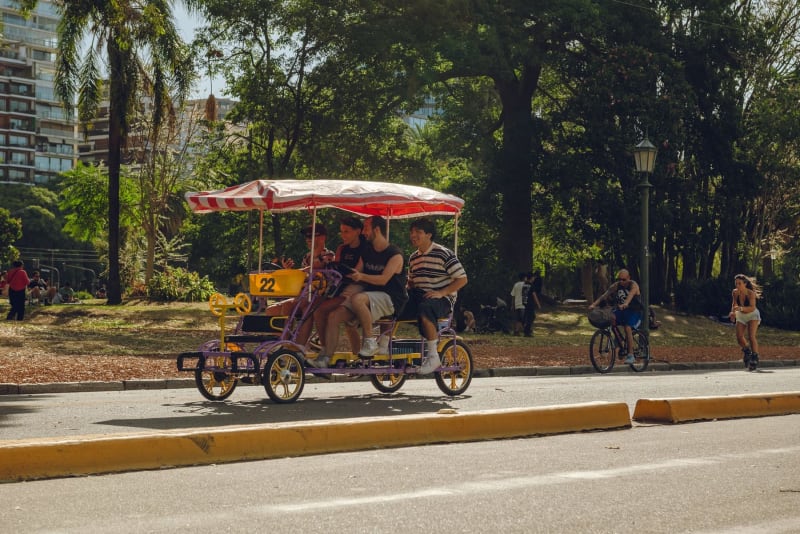 argentina
 Buenos Aires Palermo
Palermo's leafy streets buzz with tango bars, specialty coffee, and the sidewalk energy of Latin America's Paris.
Explore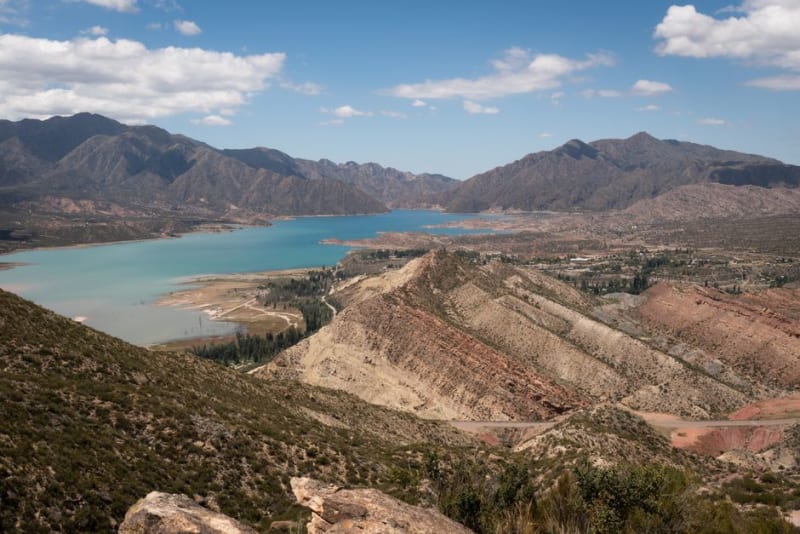 argentina
 Cachi
A whitewashed colonial adobe town in the Calchaquí Valley, reached by one of the most scenic mountain roads in Salta.
Explore argentina
 Cafayate
A high-altitude wine town in the Calchaquí Valleys ringed by rust-red rock formations and torrontés vineyards.
Explore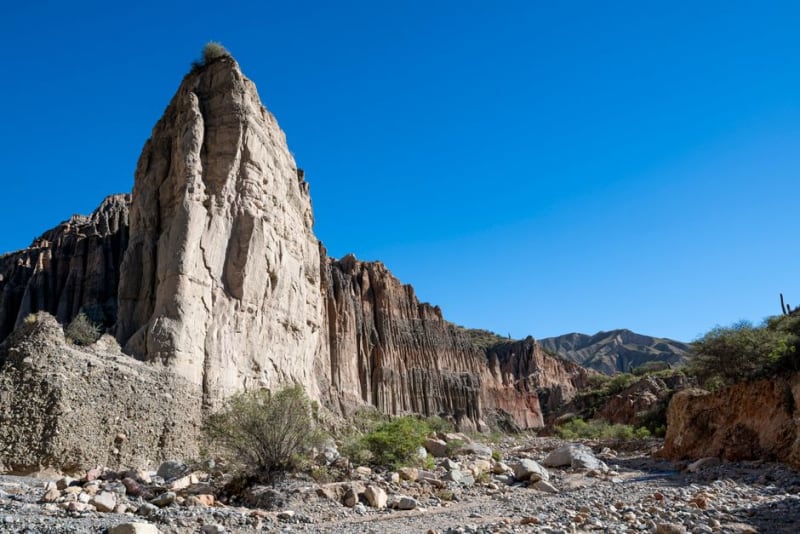 argentina
 Calingasta
A remote Andean valley in San Juan province strung with adobe villages, colonial ruins, and irrigation canals older than the republic.
Explore