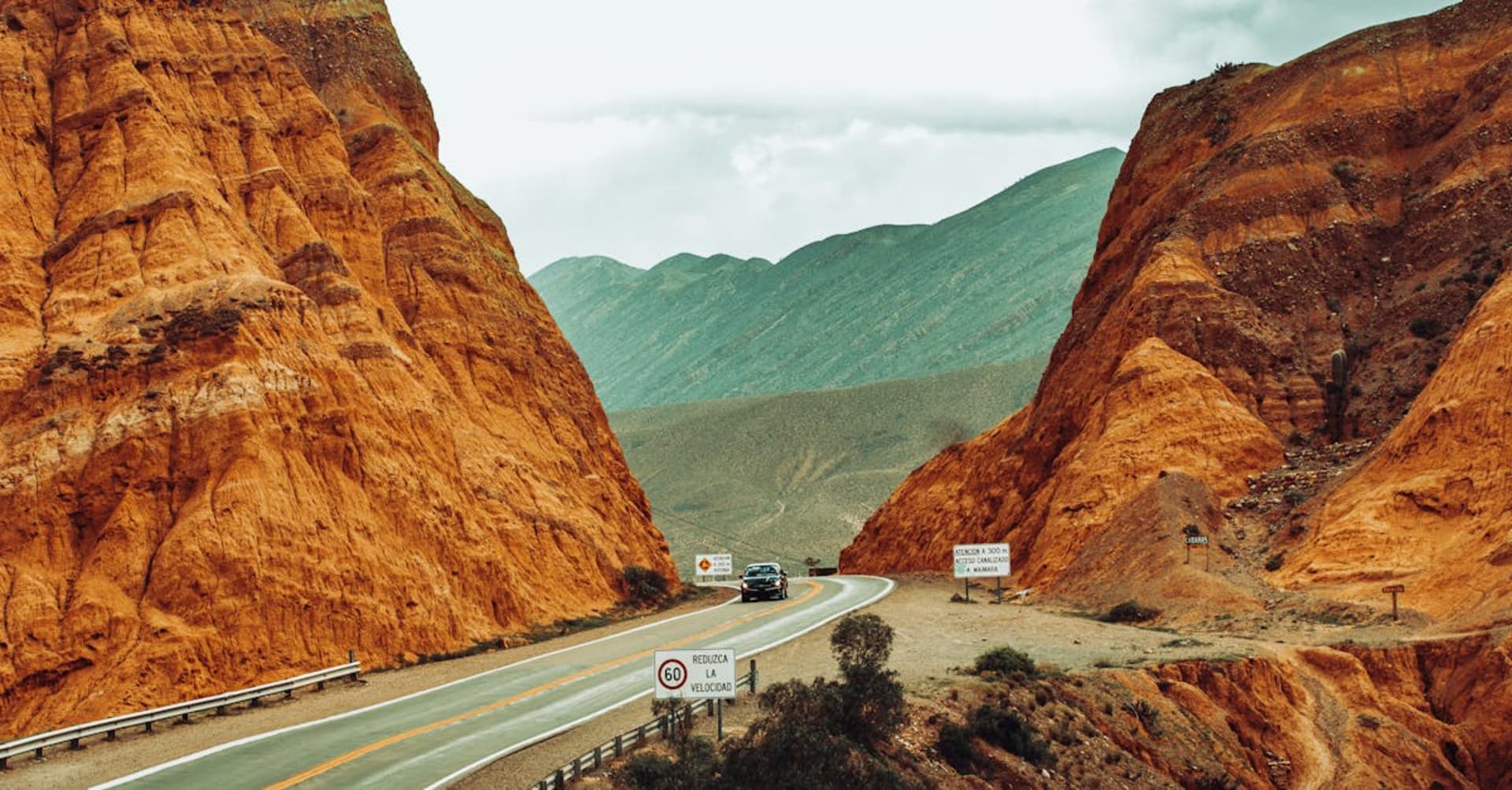
Bariloche
"Bariloche feels like Switzerland decided to move to Patagonia and brought the chocolate."
The Argentine Lake District's chocolate-box town — alpine scenery, craft beer, and Patagonian charm.
I wasn’t sure what to expect from a town people describe as “the Swiss Alps of Argentina.” That phrase usually signals theme-park cosplay. But San Carlos de Bariloche actually earns its paradox. The architecture is Alpine — steep-roofed chalets in local stone and dark timber, windowboxes bright with geraniums in January — and the chocolate shops lining Calle Mitre could have been lifted whole from Zurich. And yet the lake anchoring it all, Nahuel Huapi, is fed by glaciers draining the Patagonian Andes, and the forests climbing its shores aren’t European pine but coihue and lenga and ancient araucaria, trees that were old when the dinosaurs vanished. Bariloche borrows the Alps’ aesthetic and drops it into a wilderness that is unmistakably, defiantly South American. I found that combination harder to dismiss than I’d expected.
Nahuel Huapi is the region’s masterpiece, and I spent most of my first morning just staring at it. Over a hundred kilometers long, the lake stretches westward into a labyrinth of fjord-like arms and hidden bays, its water shifting between impossible shades of blue and green depending on the depth, the weather, the precise angle of the afternoon light. On the still morning Lia and I took the boat excursion, the surrounding peaks — Cerro Tronador’s ice-capped dome, the jagged ridge of Cerro Lopez, the perfect cone of Cerro Otto — reflected on the surface with a clarity that genuinely blurred the line between landscape and hallucination. We crossed to Isla Victoria and walked into the Bosque de Arrayanes, a grove of cinnamon-barked myrtle trees found nowhere else on Earth. Their smooth trunks were cool to the touch and faintly fragrant, and the light in there had that particular quality of light filtered through something ancient.
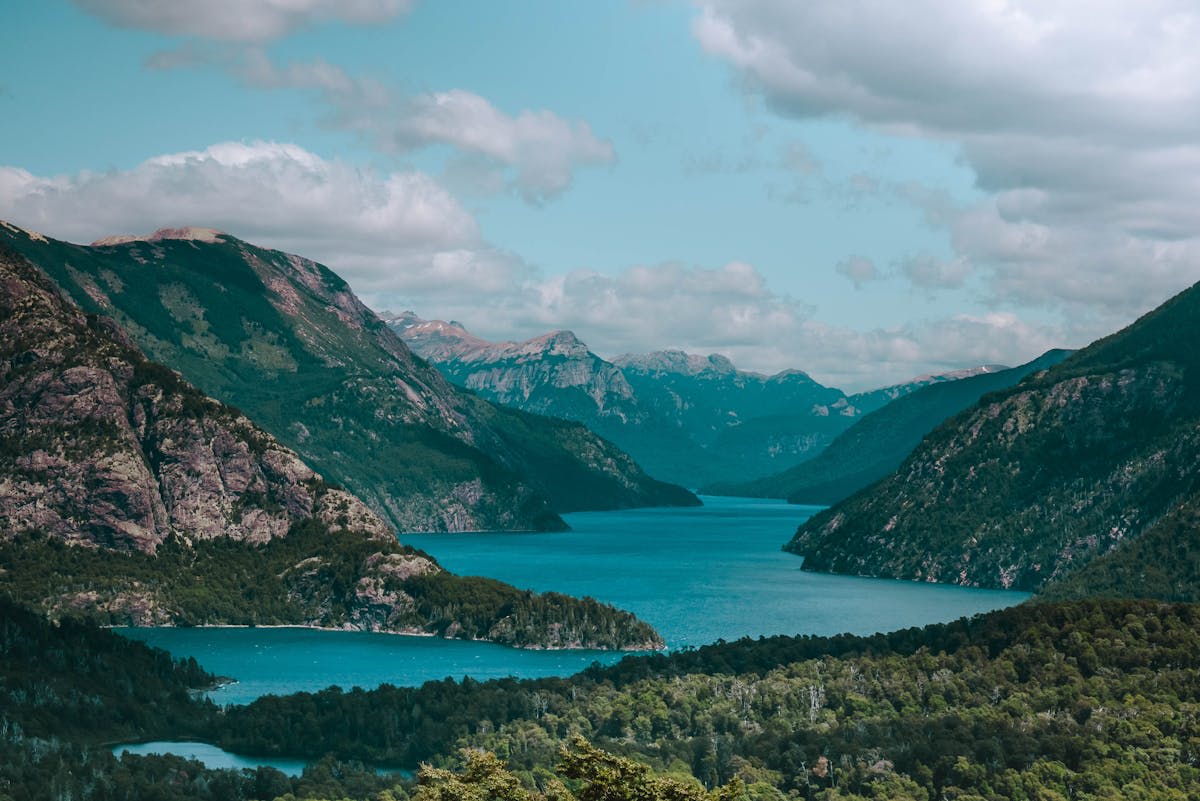
The Circuito Chico is the drive that explains why people fall in love with this place and never entirely recover. Lia drove it — I was too busy looking out the window. A sixty-kilometer loop that begins and ends in Bariloche, it winds along the lakeshore through stands of coihue draped in old-man’s beard lichen, past rocky beaches where the water is so transparent I could count the stones on the bottom, and up to viewpoints where the lake district spreads out below in a tapestry of blue water and green forest that seems painted rather than real. Midway along sits the Llao Llao Hotel, a legendary resort perched on a forested peninsula between two lakes. I am not usually the type to stop and admire a hotel facade, but I stopped for this one. Its dark-timber front and groomed grounds radiate the kind of understated luxury that money alone cannot buy — it requires a setting, and this one is nonpareil.
The Ruta de los Siete Lagos extended the feast northward toward San Martin de los Andes the following day. The route threads between lakes Correntoso, Espejo, Villarino, Falkner, Machonico, Hermoso, and Lacar, each with its own color and character, each framed by a different composition of peak and forest. We drove it in late April, which turned out to be serendipitous timing — the lenga trees had gone copper and flame, and the hillsides looked like they were burning slowly from the inside out. It is one of the most beautiful drives I have done in South America, and I do not hand that assessment out casually.
Winter would transform this entire landscape into something else. Cerro Catedral, South America’s largest ski resort, rises just twenty kilometers from the town center, its slopes ranging from gentle groomers to serious off-piste above the treeline. I’ve heard from people who’ve come in July that the town fills with Argentine families on school holidays, the chocolate shops do their briskest trade, and the fondue restaurants — yes, the Swiss influence extends to the menu — steam their windows against the cold. There is something appealing, in theory, about skiing Patagonian powder all day and returning to a stone-walled cerveceria for a handcrafted stout. I’m filing that plan away for next winter.
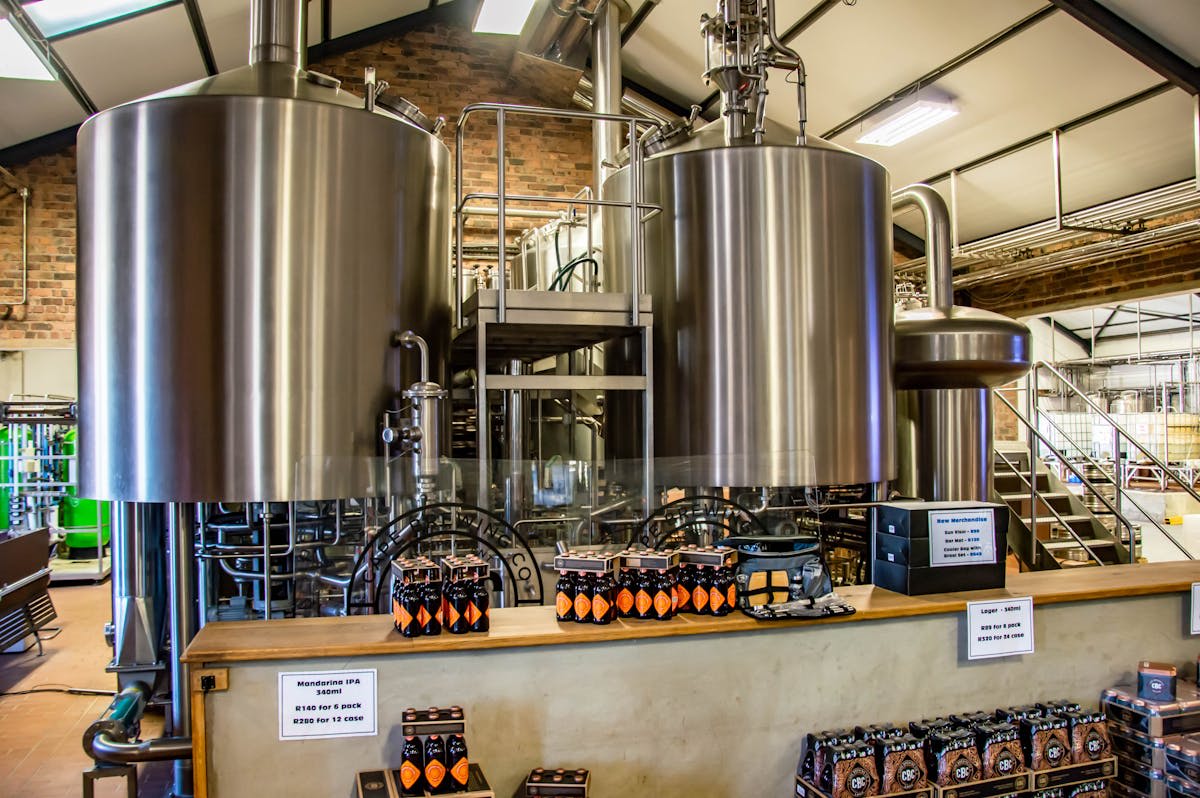
The craft beer scene has become a destination in its own right. Dozens of microbreweries have sprung up around the lake district, many housed in cozy, wood-paneled taprooms where bearded brewers pour Patagonian IPAs, Scottish ales, and smoked porters alongside plates of smoked trout and local cheese. On our second evening, Lia and I worked our way through three different taprooms without really trying — they kept appearing on the walk back from dinner. The region calls itself Argentina’s craft beer capital, and based on what we drank, the claim holds up.
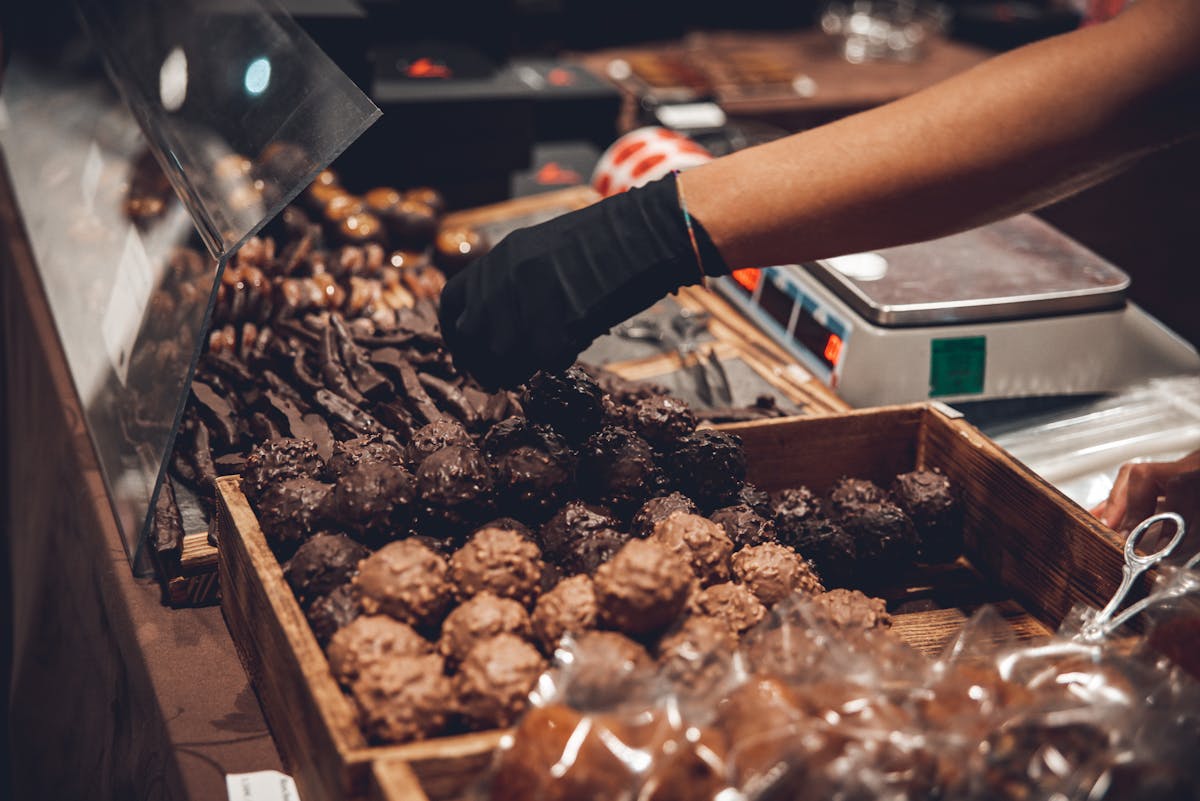
And then there is the chocolate. Bariloche’s chocolatiers take their work seriously — rows of handmade truffles, bark, bonbons, and drinking chocolate thick enough to stand a spoon in, all produced with the kind of artisanal pride that turns a sweet shop into a pilgrimage site. I went into the first chocolateria on Calle Mitre intending to buy a single piece as a formality. I left twenty minutes later with a bag that weighed more than my camera. Lia did not comment. She had her own bag.
When to go: June through September for skiing and a cozy, snow-dusted atmosphere. December through March for hiking, kayaking, and warm lakeside days. April is spectacular for autumn foliage — the lenga forests turn the hillsides into a slow fire of gold and red, and the roads are quiet enough that you can actually stop and stand in it.
What most guides get wrong: Every list will tell you to do the Circuito Chico and the Ruta de los Siete Lagos, which is correct — do both. What they underplay is how much of Bariloche’s charm lives at the slower pace of a taproom or a chocolateria on a weekday afternoon, when the tour buses have left and the town belongs to the people who actually came here on purpose. Give yourself an extra day to do nothing in particular. You’ll spend it better than you planned.