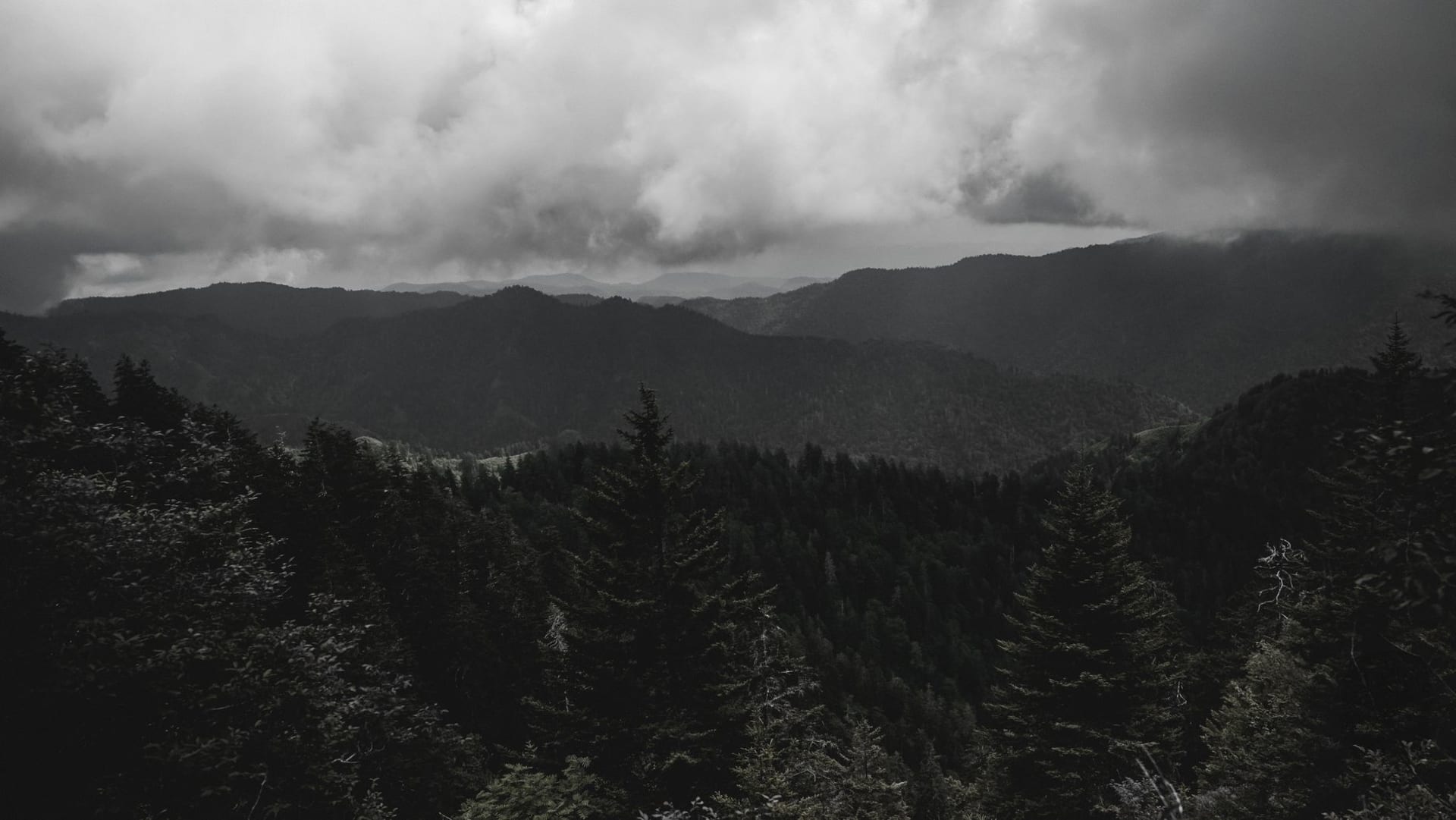
Great Smoky Mountains
"The Smokies taught me that a trail can be both crowded and deeply lonely, depending on which direction you walk."
The first thing I learned about the Great Smoky Mountains is that the smokiness is real. It is not atmospheric branding or a picturesque exaggeration — it is actual haze, produced by the trees themselves releasing volatile organic compounds that scatter light at the blue end of the spectrum. On mornings when the air is still and the temperature differential between the valleys and the ridges is steep, you can watch the mist pool in the hollows and rise in slow columns, and the mountains seem to be breathing. I had been told this. I had not quite believed it until I stood at the Newfound Gap overlook at six in the morning and watched the Smokies do exactly that.
I drove in from Cherokee, North Carolina, on the North Carolina side, which meant coming through the town of Cherokee first — the commercial strip of it, with its fudge shops and its bear-themed everything and its roadside Cherokee chieftain statues that have been a source of debate within the Eastern Band of Cherokee Indians for decades. Then the park entrance, and almost immediately the road changes character. Cataloochee Valley, a detour off the main route, was the revelation I had not planned for: an isolated valley with nineteenth-century farmsteads still standing in the meadows, a white clapboard church, and a reintroduced elk herd that grazes the fields at dusk. I parked and watched seven elk move through the tall grass in the blue hour, their breath visible in the October cold, and felt the park earn its reputation in a way the traffic jams near Clingmans Dome never could.
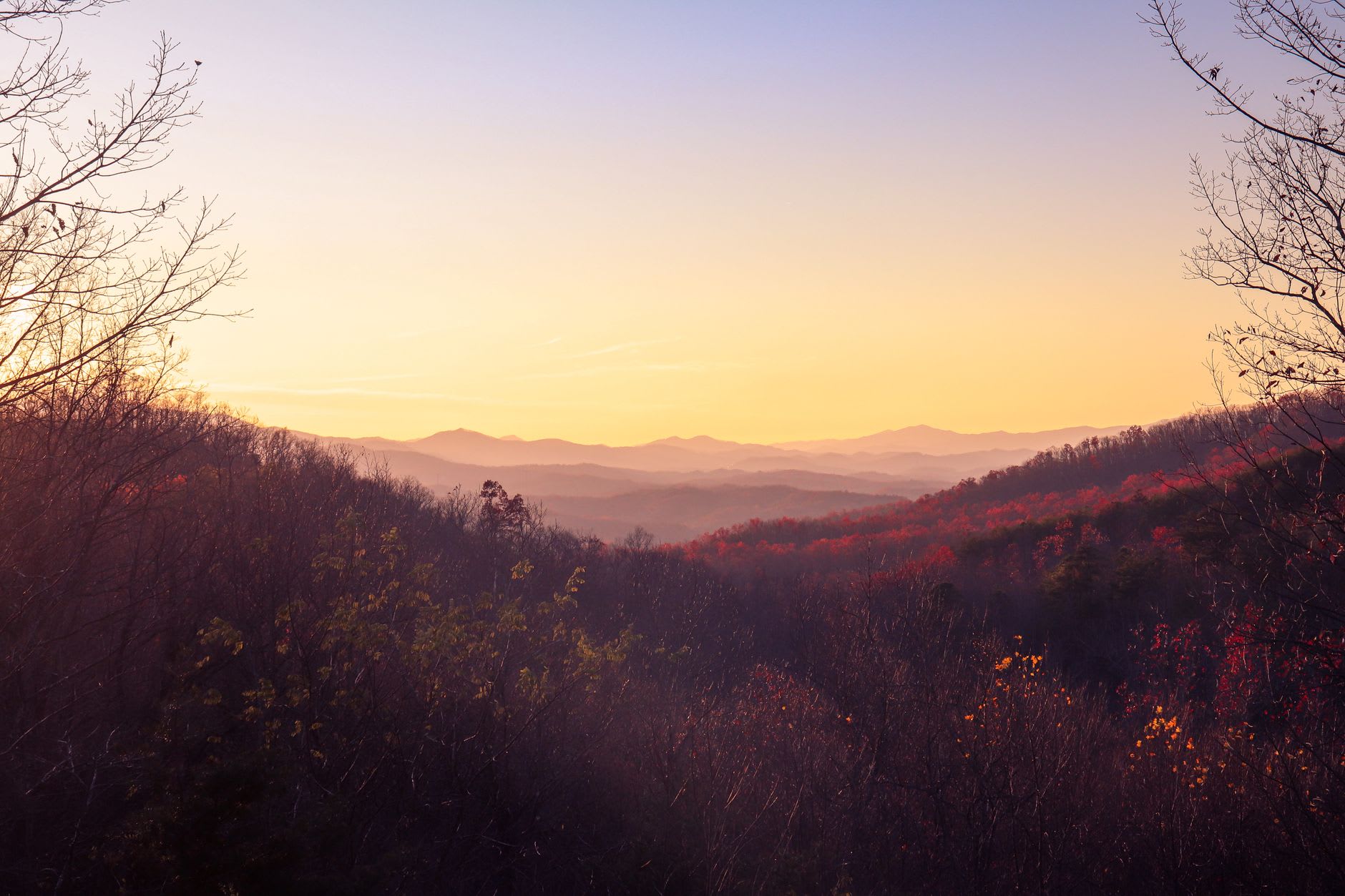
The old-growth is the thing that the numbers do not prepare you for. The Smokies contain the largest tract of old-growth temperate hardwood forest in North America. These are trees that have never been cut — hemlocks and tulip poplars and yellow birches of a diameter that takes two people to span, growing in hollows where the humidity keeps the moss at an improbable green. The Alum Cave Trail, which leads toward Mount LeConte, passes through a stretch of forest that feels prehistoric in the best way — dense, dark, insanely alive. I kept stopping to put my hand on trunks and try to calculate ages. I failed, which felt appropriate.
The firefly event in June is something I had read about and had always categorized as the kind of natural spectacle that sounds more impressive than it is. I was wrong. The synchronous fireflies of the Elkmont area — a species of Photinus firefly that flashes in coordinated patterns, thousands of them at once, filling the forest with strobing light — are one of the few things I have experienced in nature that I could not adequately describe afterward. The park runs a shuttle lottery for the viewing period; it is worth entering. It is worth entering every year until you win.
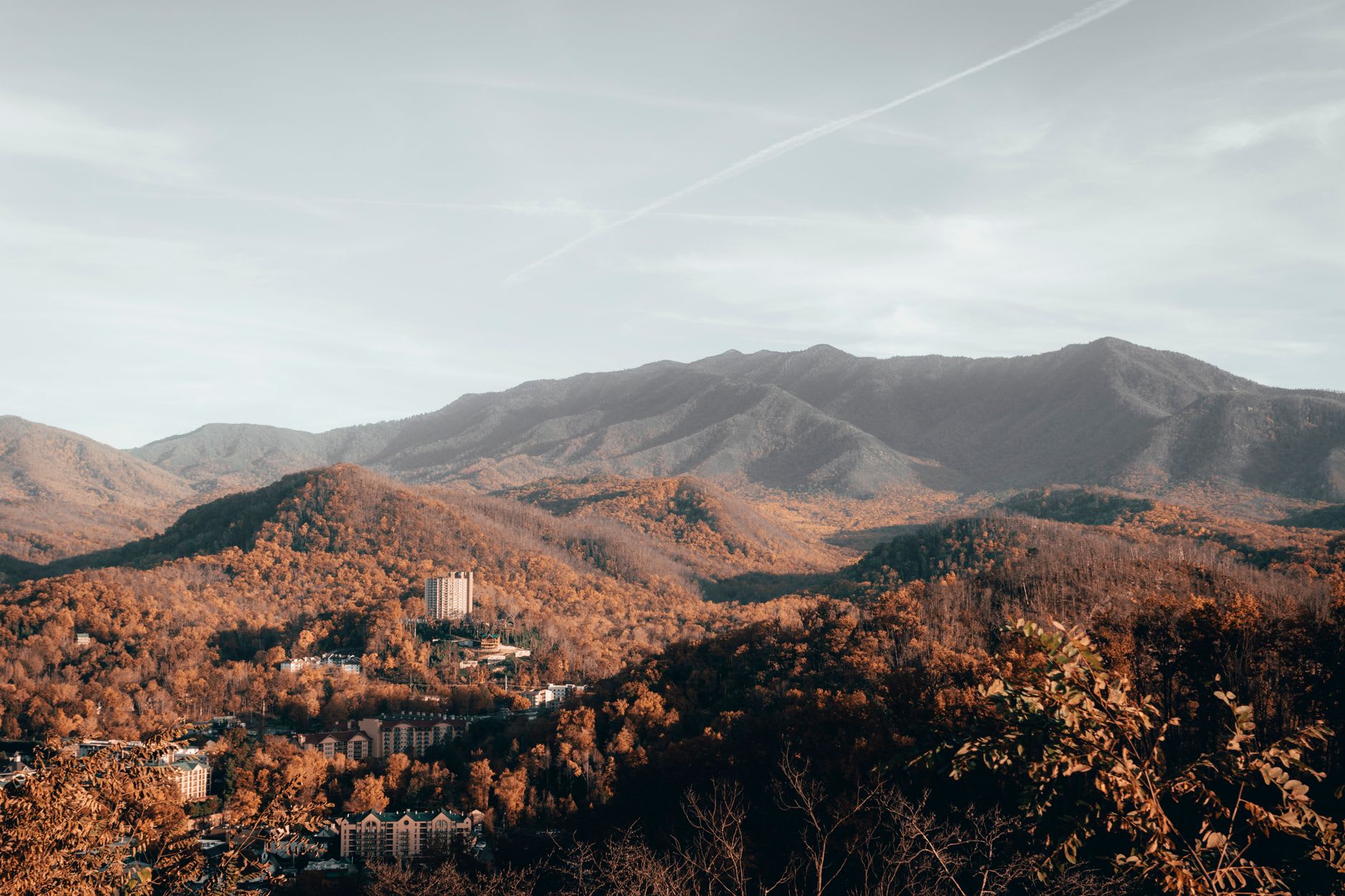
Cades Cove, on the Tennessee side, operates on a different register than the rest of the park — a wide pastoral valley ringed by mountains where white-tailed deer move through the morning mist among restored homesteads and grist mills. The one-way loop road fills with cars by mid-morning, but if you arrive before eight, before the families in minivans, you have the valley nearly to yourself. A black bear and her two cubs crossed the road in front of me on a September morning there. We looked at each other. She continued into the brush. I sat in the car for another five minutes before I remembered to drive.
When to go: Early October for fall color in the higher elevations, mid-to-late October in the valleys. June for the synchronous firefly event (lottery required). April and May for wildflowers — the Smokies host over 1,500 flowering plant species, more than any other national park in the country. Avoid summer weekends on the main roads entirely; the park has no entrance fee, which is wonderful for equity and terrible for traffic management.