Cumberland Gap
"Stand at the right spot and you can put one foot in three states — and two hundred years in one breath."
A wind-cut notch where three states meet and two centuries of footsteps still seem to echo through the trees.
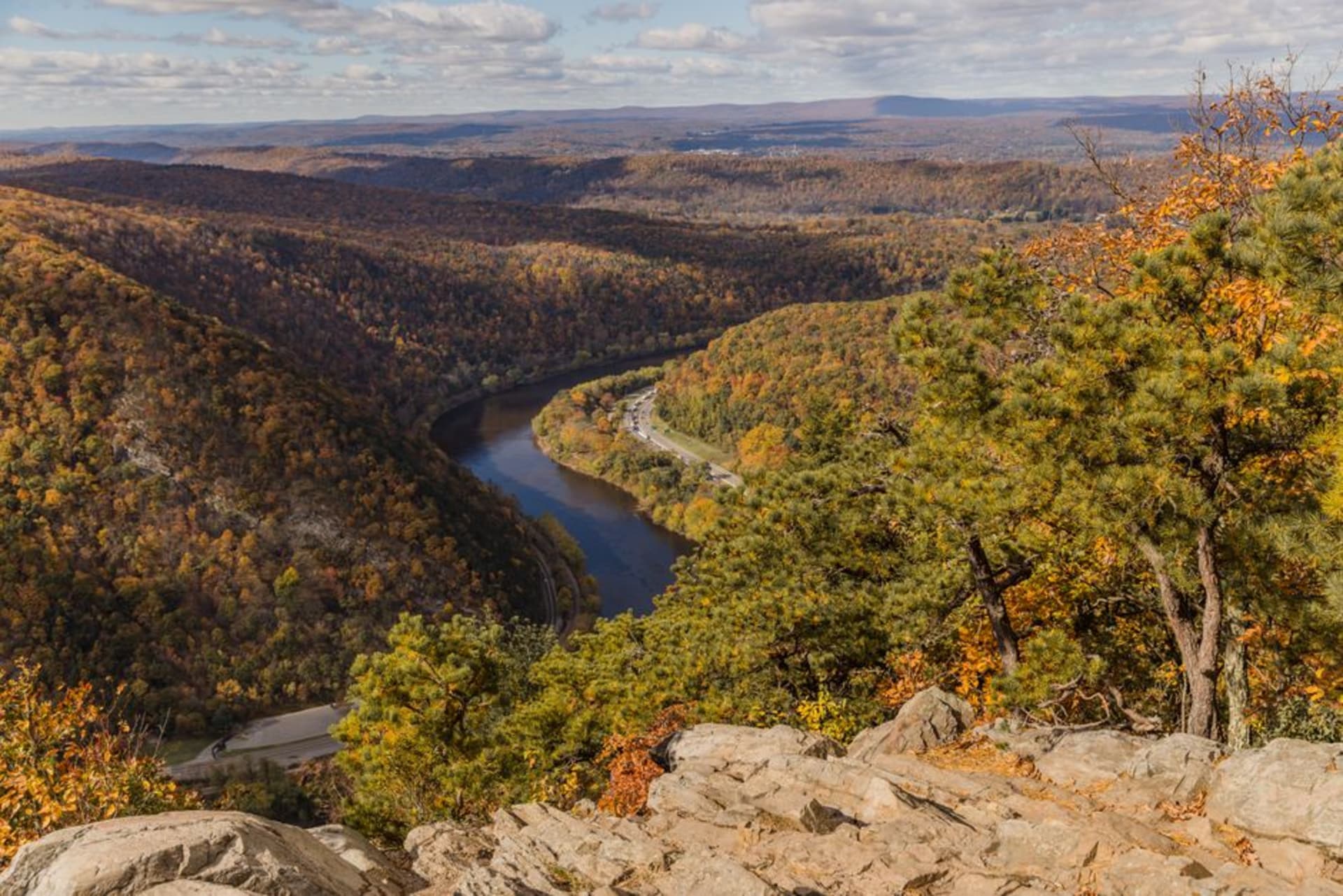
Lia and I got to the Pinnacle Overlook right before sunset, which in hindsight was a mistake, because we ended up hiking back down switchbacks in near-dark with one headlamp between us, laughing at ourselves the whole way. But standing up there first, looking out at the notch cut into the ridge below, I understood immediately why this particular gap mattered so much. It’s not dramatic in the way the Rockies are dramatic. It’s a modest, water-carved break in the Cumberland Mountain ridge, sitting exactly where Virginia, Kentucky, and Tennessee touch corners. And that modesty is the whole point — for centuries this was simply the way through, the low place where the mountains let you pass.
I’d read about Daniel Boone before the trip, but reading about the Wilderness Road and actually walking a stretch of it are two different experiences entirely. In 1775 Boone blazed this route through the gap for the Transylvania Company, and somewhere between 200,000 and 300,000 settlers followed him through this same notch into Kentucky over the following decades. I kept trying to picture it as we walked — wagons, livestock, whole families funneling through a gap that, honestly, took us maybe twenty minutes to cross on foot. Lia pointed out that the trail underfoot was probably close to the same ground worn down by all those boots and hooves, and that stopped me for a second.
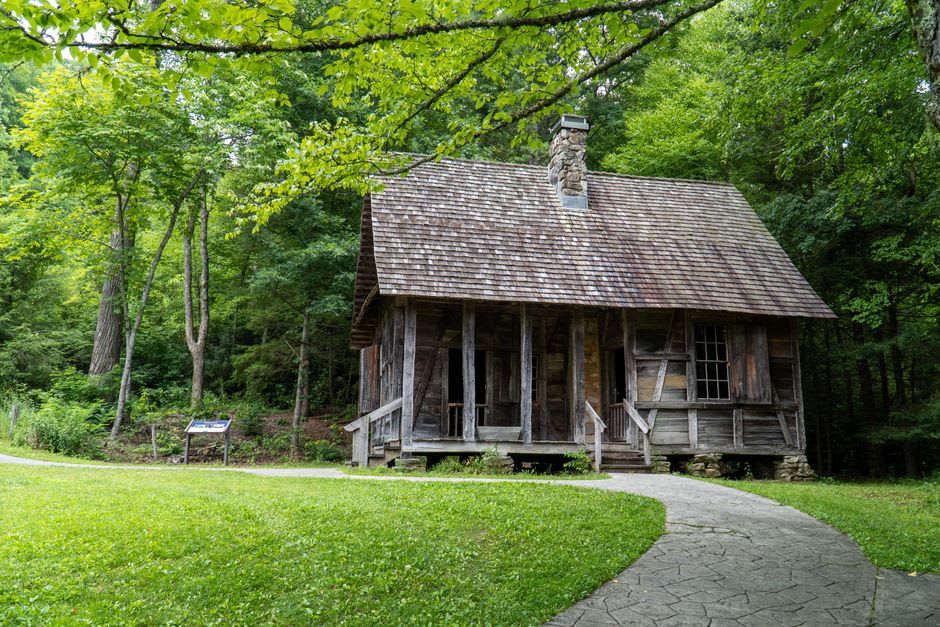
We spent our second day at the Hensley Settlement, up on Brush Mountain, and it’s a completely different register of history — no westward-migration grandeur, just a small, isolated Appalachian farming community that held on until the 1950s. The cabins are still there, weathered but intact, and walking between them felt quieter and more personal than the overlook had. I remember Lia crouching by an old split-rail fence, running her hand along the wood, and neither of us said much. It’s the kind of place that doesn’t need narration.
Cumberland Gap National Historical Park has protected all of this since 1940, and driving out on our last morning, I kept thinking about how strange it is that a gap — an absence, a gap in the rock — became one of the most consequential passages in early American history. Sometimes the most important places aren’t the mountains themselves, just the space between them where people could finally get through.
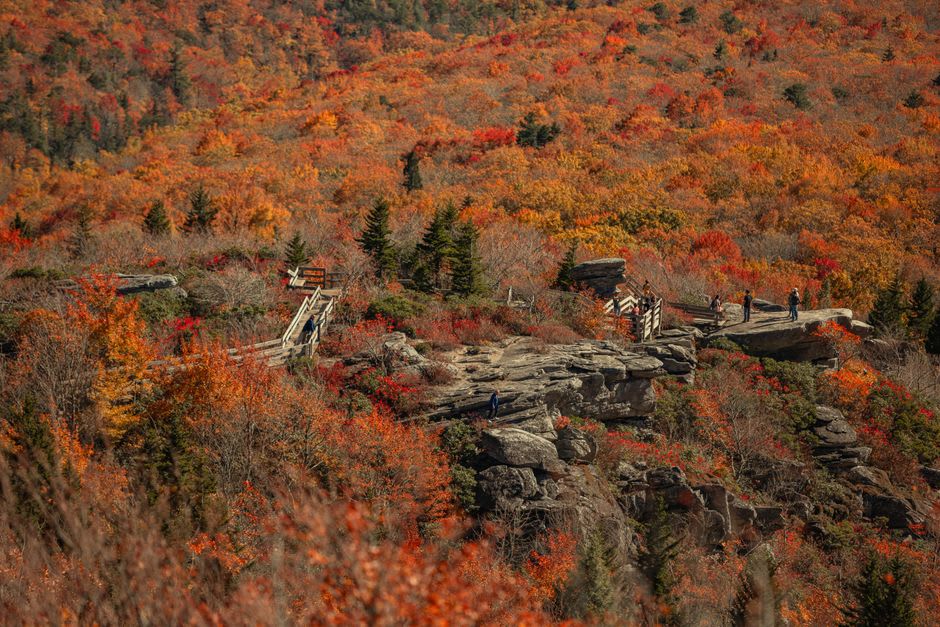
When to go: We went in early fall and the ridge trails were streaked with color by mid-October, which I’d call the sweet spot — but locals told us the wildflowers along those same trails in April and May are just as worth planning a trip around.