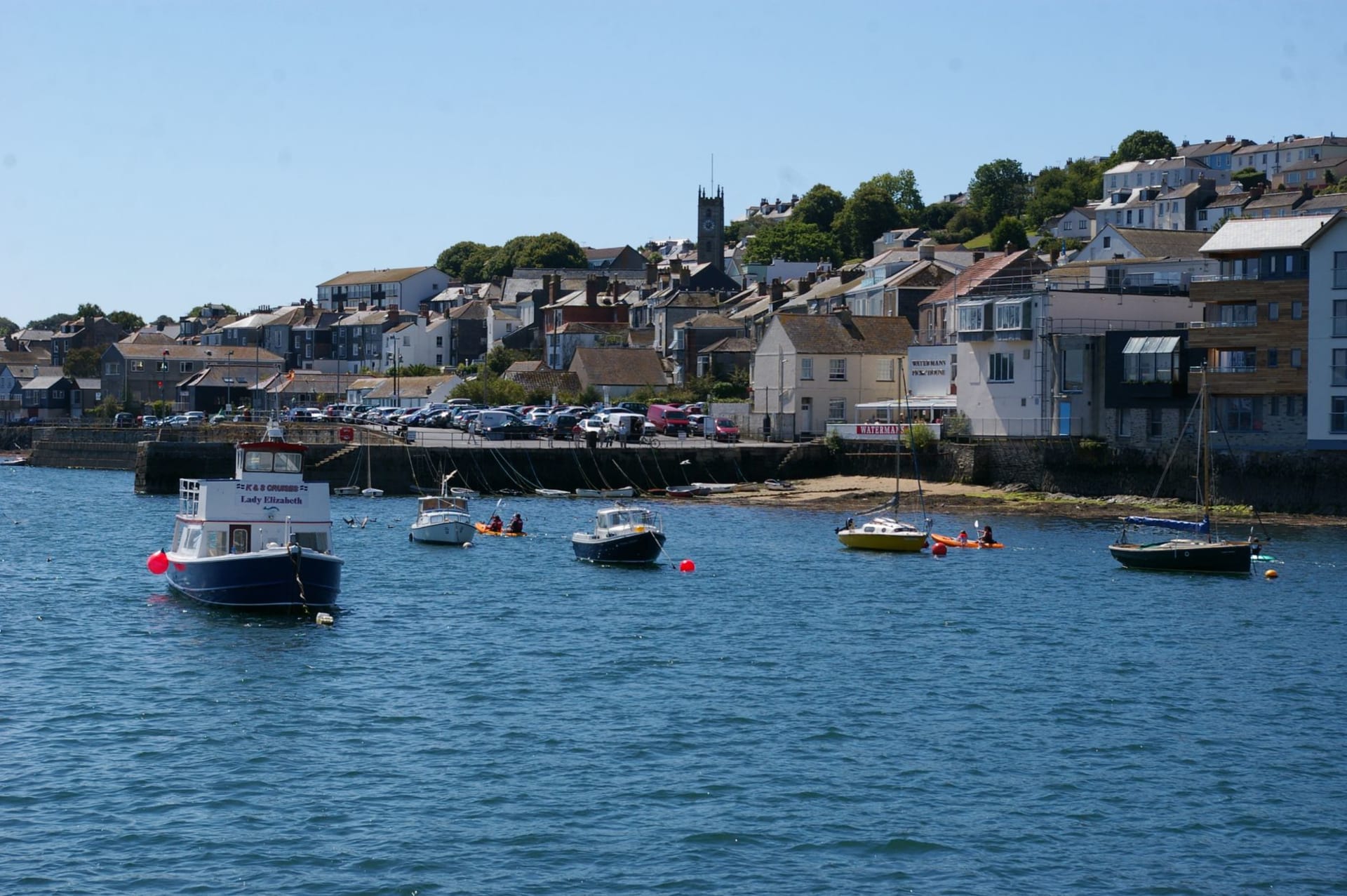
Falmouth Harbour
"Everyone at this bar has crossed an ocean to get here. The conversation that produces is unlike any other conversation on earth."
Falmouth Harbour sits adjacent to English Harbour at the southern tip of Antigua — separated by a low ridge and a five-minute drive — and while its famous neighbour gets the heritage tourism, Falmouth gets the yachts and the people who sail them. I walked down from Shirley Heights one afternoon, following the road as it curved through dry hills and deposited me at the marina entrance, and found myself in a place that has evolved its own very specific character: half working port, half upscale sailing village, all concerned with the sea.
The marina at Falmouth is one of the most complete yacht facilities in the Caribbean — the boatyard, the chandlery, the haul-out facilities, the diesel docks with their serious equipment. I know almost nothing about sailing and found the infrastructure fascinating the same way I find any specialist world fascinating when everyone in it takes their work completely seriously. A crew of Brazilians was bent over a spinnaker spread across the dock, arguing about something in rapid Portuguese. Two men in matching technical polo shirts walked past discussing watermaker systems. The air smelled of antifouling paint and salt and something mechanical that I couldn’t identify.
The town that has grown up around the marina is more substantial than English Harbour’s village — actual streets rather than a single waterfront strip, restaurants with proper kitchens rather than beach-bar menus. The best meal I had in Antigua was here, at a restaurant on the hill above the harbour where the owner cooks West Indian food that has been paying attention to what happens when technique improves without abandoning the flavours that make Creole cooking worth eating. Pepperpot stew dark and complex, johnny cakes on the side, a rum punch made with fresh lime that put the bottled versions to shame. I ate at a table that looked down over the harbour lights and stayed until they asked me to leave, which they did very politely.
The Antigua Sailing Week, which runs in late April, transforms Falmouth Harbour into something barely recognisable — hundreds of racing yachts, crews from every sailing nation, parties that run into the early hours, a crowd that swells the island’s resident population by what feels like half. I arrived a month after it ended and could still see the infrastructure of it — sponsor banners being taken down, a few late crews still celebrating what appeared to be a victory from three weeks ago — and I was glad I’d missed the peak while understanding completely why it draws such a following. The harbour in that context must be extraordinary.

The beach at Falmouth is small and primarily used by the marina crowd — not the reason to come here. The reason is the atmosphere: a place that has developed not for tourism as such but for a specific kind of traveller who arrives under sail and cares deeply about their ropes and their weather routing and the quality of the coffee at the dock bar. It produces a particular conversation, direct and honest about the sea in a way that people who work on the water tend to be, and I sat at the bar one afternoon talking to a couple who’d sailed from the Azores and were deciding whether to continue to Brazil or turn back north, and I found the casualness with which they discussed it — as if choosing a route between continents were a reasonable thing to be undecided about — genuinely moving.
When to go: January through April is sailing season proper — the harbour is full, the energy is high, restaurants are operating at capacity. Sailing Week at the end of April is spectacular but book everything months in advance. The boatyard and chandlery operate year-round, so the working port character persists even in the quieter summer months when the racing crowd has gone and the marina fills instead with people living aboard rather than racing.