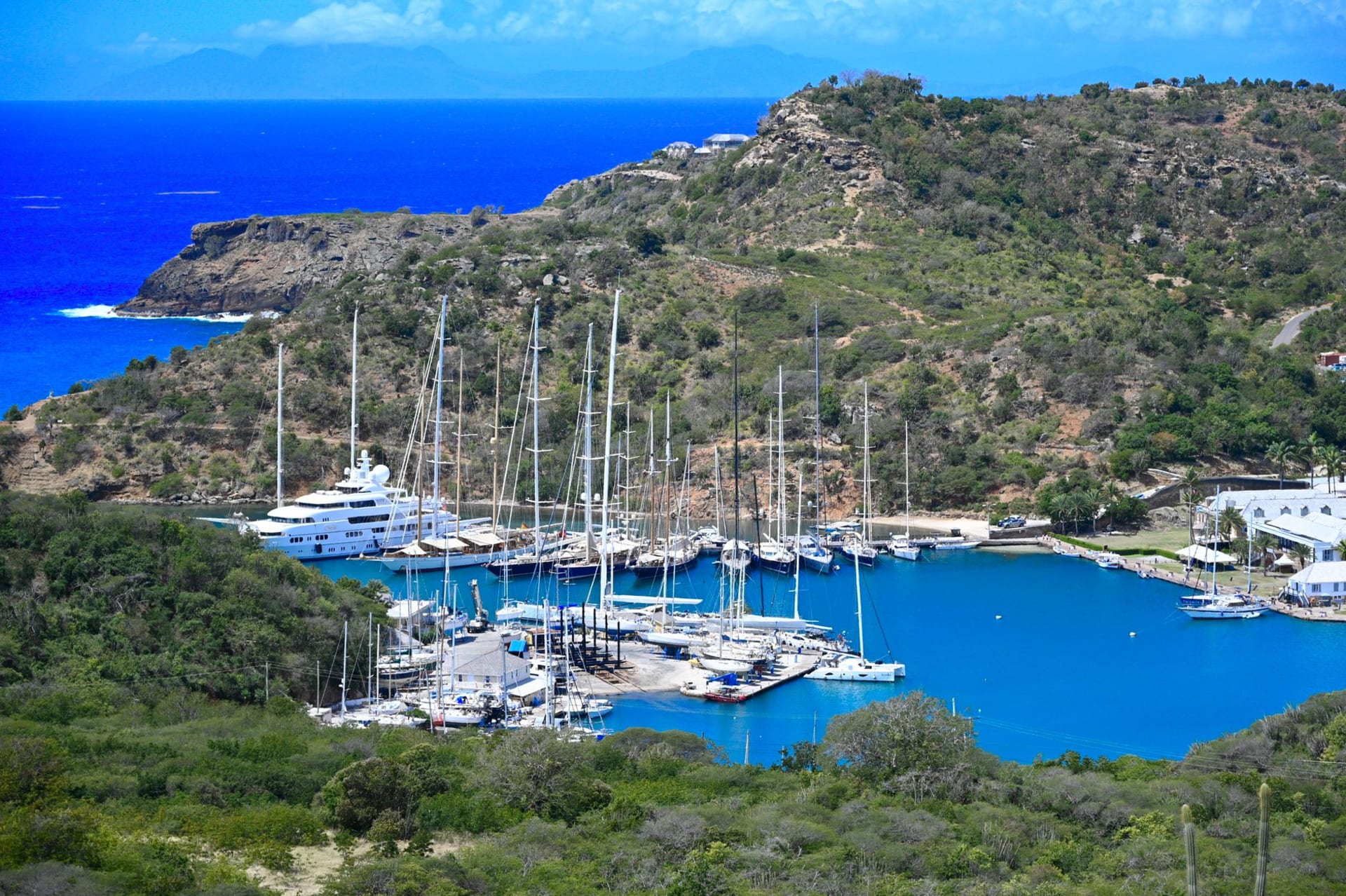
English Harbour
"You can feel the empire in the stonework here, which is uncomfortable in exactly the right way."
I’d read about Nelson’s Dockyard before I arrived, but reading about it and standing inside it are different experiences entirely. The taxi from St. John’s wound down through increasingly narrow roads until the harbour appeared below — a natural bowl of protected water ringed by green hills, sailboats of every size riding at anchor in the late afternoon calm. The light was thick and golden and the air smelled of salt and varnished wood. I walked through the entrance gate and felt something shift in the quality of attention you give a place when you realise you’re standing somewhere that actually happened.
The dockyard dates from 1743 and was the Royal Navy’s principal base in the Eastern Caribbean for most of a century. What’s remarkable is how much survived — the boathouses, the pillared sail loft, the officers’ quarters, the capstans that once dragged ships onto their sides for careening. None of it has been over-restored into a theme park version of itself. The stone is still the original stone, the ironwork still pitted and salt-weathered, and the Wadadli beer at the bar in what used to be the naval officer’s house is very cold and very welcome at four in the afternoon.
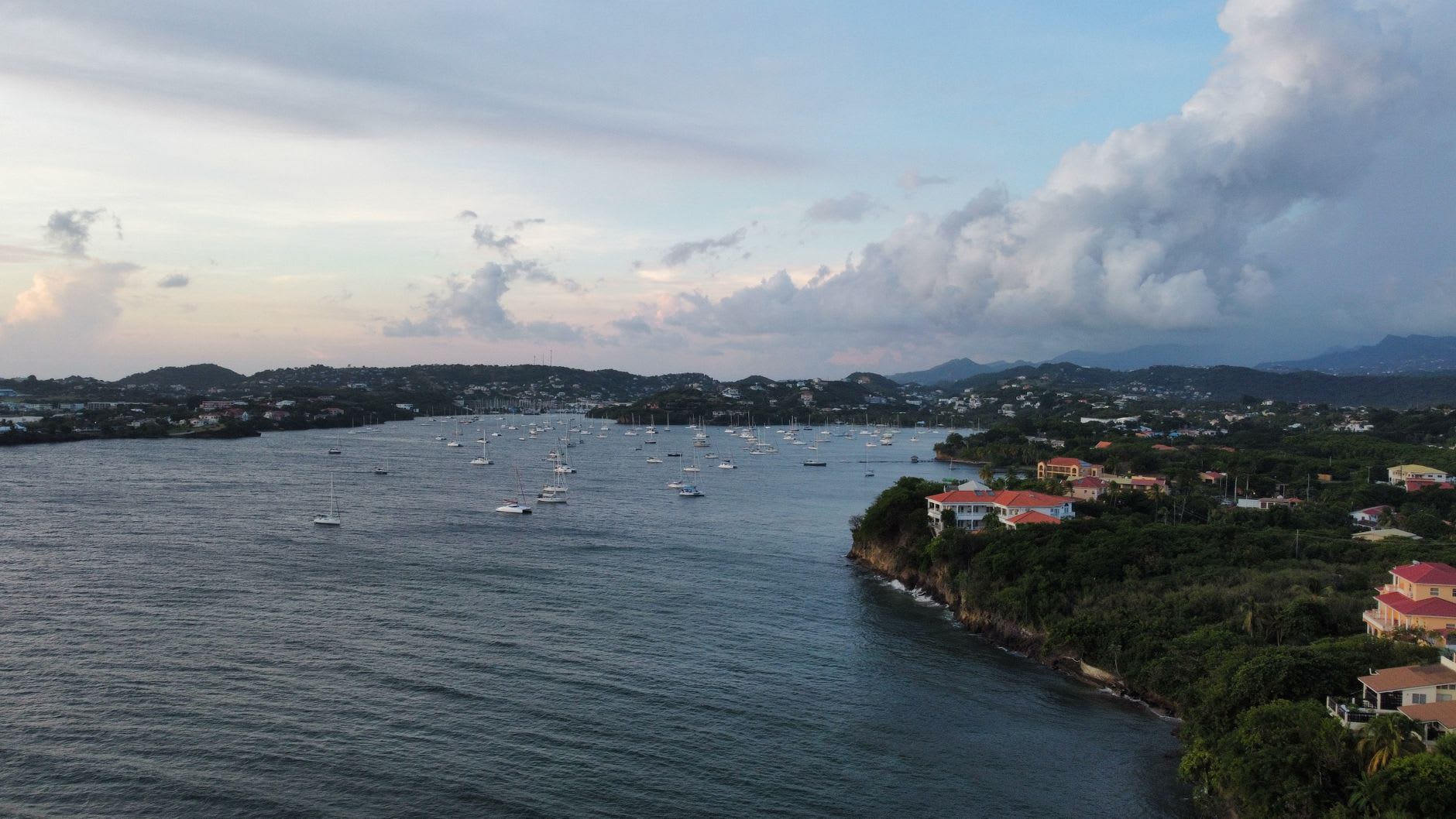
I stayed longer than I planned, reading the interpretive panels not as a tourist absorbing facts but as someone trying to feel the weight of what happened here. Ships provisioned at this dock before pursuing slave traders and enforcing the sugar trade routes that made Britain rich and Antigua impoverished in ways that still echo. The park acknowledges this complexity, though not always with the directness it deserves. But there’s something valuable in standing inside a place and trying to reckon with it honestly — the capstan doesn’t care about your politics, and neither does the stone. Horatio Nelson himself served here as a young captain and apparently hated it: the heat, the insects, the drinking water. He complained about everything. I found this oddly humanising.
The surrounding area — the village that has grown up around the dockyard, the marina, the restaurants and bars along the waterfront — has transformed English Harbour into Antigua’s social heartland, particularly during sailing season in January and February. Superyachts squeeze in alongside weathered wooden sloops. Crews who’ve crossed the Atlantic share bars with locals who’ve been here their whole lives. The energy is unpretentious in a way that expensive marina towns often aren’t. I sat outside a rum bar as the sun went down and watched a French racing crew argue about sail trim with tremendous seriousness while two pelicans fished the shallows without any interest in either side of the debate.
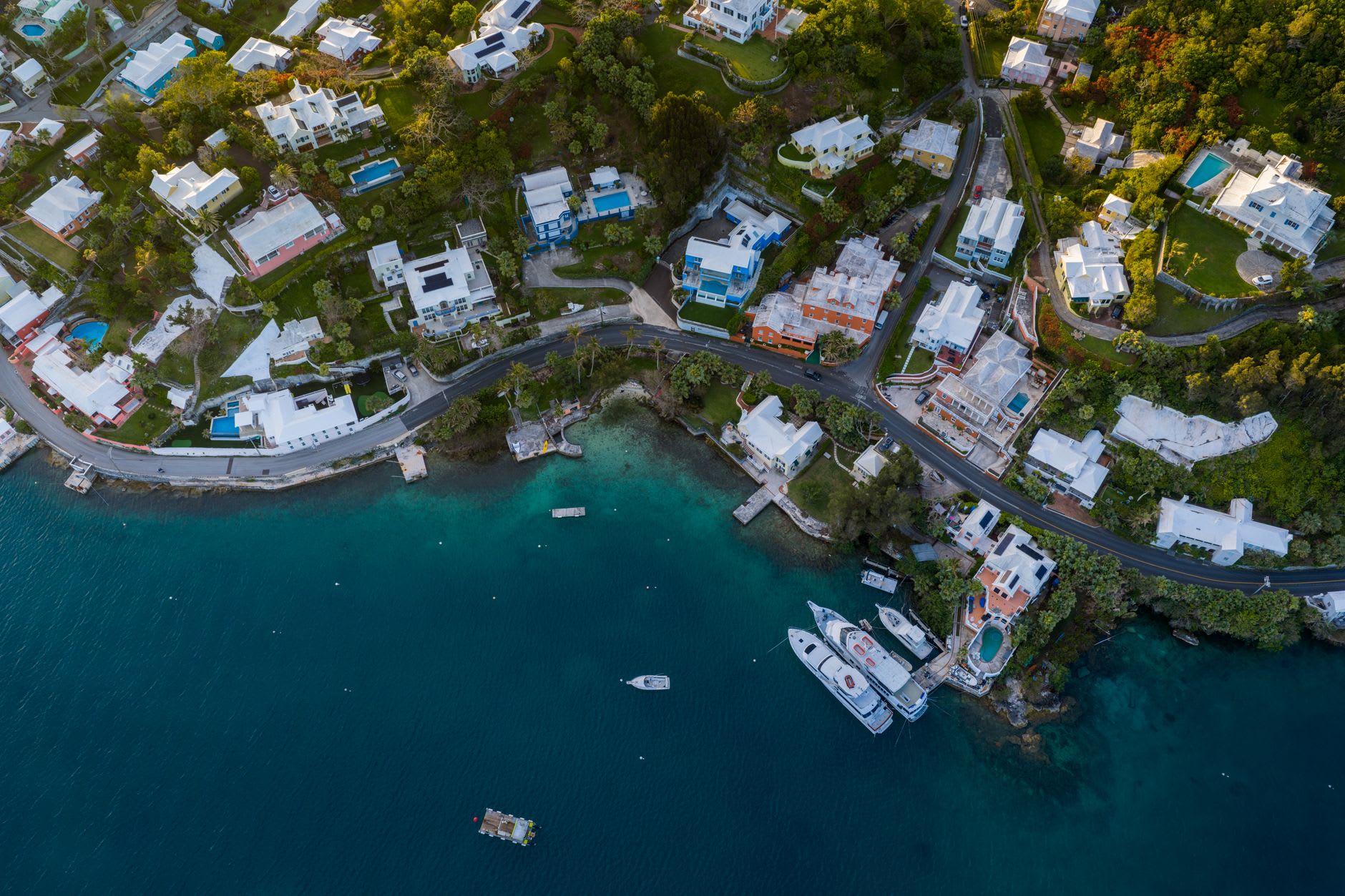
The walk up to Shirley Heights from here — following the road through the dry scrub that covers the hills behind the harbour — is worth doing in the early morning before the heat builds. From the ridge you see both English Harbour and Falmouth Harbour spread out below you, the geometry of the old naval fortifications just visible beneath the vegetation, the sea a deep and endless blue in every direction.
When to go: January through March is peak sailing season and the dockyard is at its most alive — sailors from all over, races, parties at the Shirley Heights lookout on Sundays. The site is open year-round though, and in the quieter months of May or June the dockyard itself is far more contemplative — you can wander the boathouses in something close to solitude, which is, honestly, how a place like this deserves to be experienced.