Barbuda
"Twenty minutes over open ocean by propeller plane and you arrive somewhere that feels like the world forgot to develop it. I mean that entirely as a compliment."
The plane from Antigua to Barbuda is a twelve-seater and on the Tuesday I flew it there were eight passengers and what appeared to be a shipment of car parts strapped into the back row. The flight takes twenty minutes over open water and the propellers are loud enough to make conversation impossible, which suits me fine — I watched the Atlantic go by underneath and tried to remember the last time I’d been anywhere that wasn’t already famous for being there.
Barbuda is Antigua’s quieter sibling: flatter, drier, with a population under two thousand and a landscape of salt ponds, scrub bush, and coast that has not been systematically organised for anyone’s convenience. Most of what I’d read about it described it in terms of what it lacked — development, crowds, noise — and that negative definition undersells the particular quality of a place that simply runs at its own frequency. You feel it immediately when you land. The airport is a strip of tarmac and a small building. A man was leaning against a truck outside and offered to show me around for the day. I said yes without negotiating, which is either traveller wisdom or basic common sense depending on how you look at it.

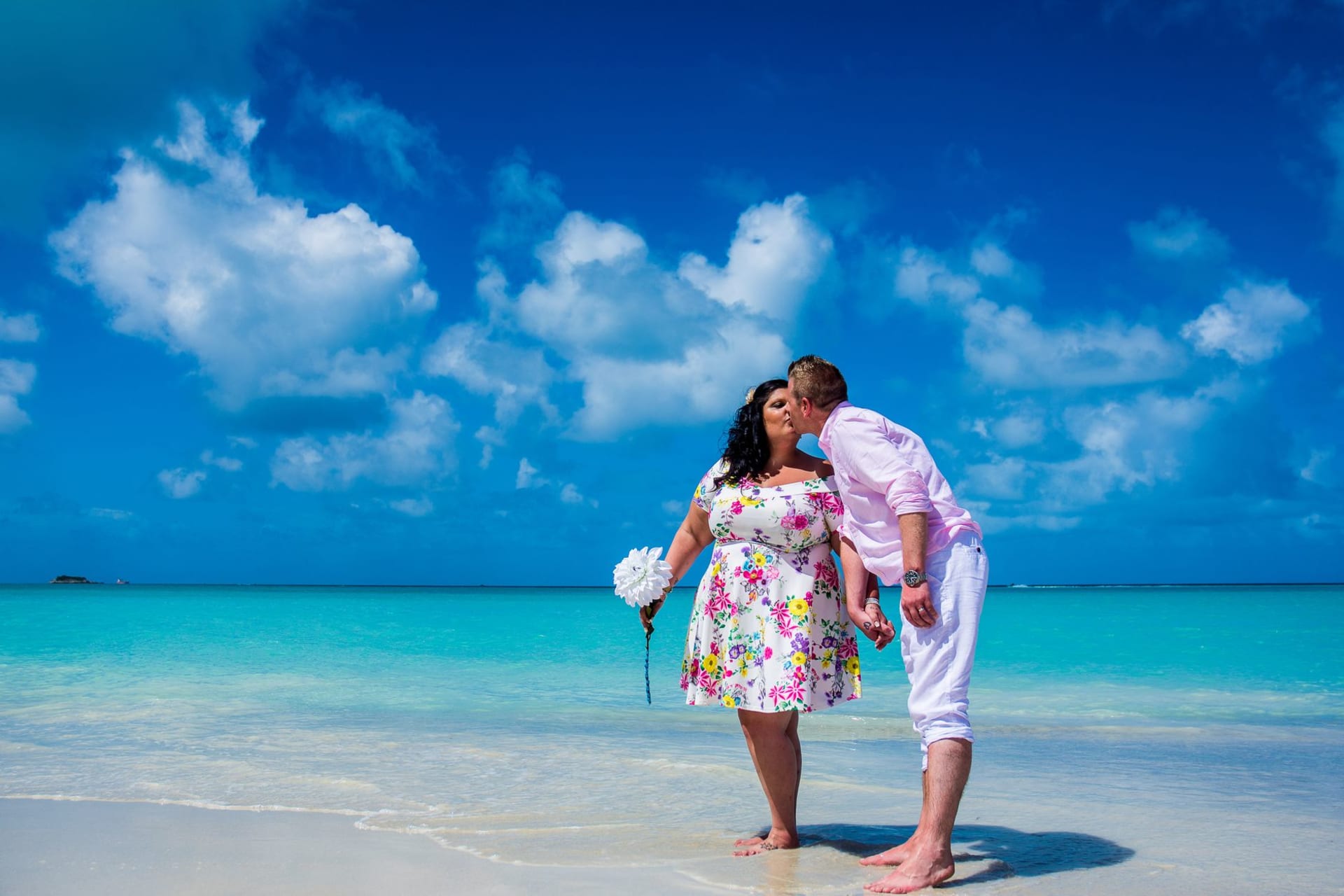
Princess Diana Beach — also called Princess Diana Bay, named after she visited in the eighties and has been on the tourism brochures ever since — is on the northwest coast and the pink comes from crushed coral, tiny particles of pink and white ground by centuries of wave action into something closer to powder than sand. It’s cool against the feet even when the air temperature is brutal. The water over the sandbar is knee-deep for a hundred metres out and the colour is the kind of turquoise that makes you want to try to describe it and then immediately give up. I was the only person there for most of the afternoon. That sentence needs no elaboration.
The island is still visible in its rebuilding effort from Hurricane Irma, which hit in September 2017 with 185-mph winds and essentially erased ninety percent of the structures on the island. The people of Barbuda were evacuated to Antigua — forcibly, controversially — and spent months trying to get back. Arriving now, in 2026, you see a mix: rebuilt homes, empty concrete foundations, a community that has clearly reasserted itself but carries the weight of what happened. My driver, whose family had been on the island for four generations, talked about Irma with the matter-of-fact directness of someone who has had to say the same thing to a hundred visitors and has decided to make it as plain and honest as possible. I listened more than I talked.

The lobster dinner that evening — simply grilled, with lime and a salad that had clearly been in the ground that morning — cost what I’d pay for a coffee and a pastry in Paris. The restaurant was three tables in someone’s yard, fairy lights strung between a mango tree and a post, the sound of the ocean somewhere close and invisible in the dark. I ate slowly. There was no reason to hurry and nowhere to hurry to.
When to go: December through April is driest and most comfortable. The frigate bird colony in the lagoon is spectacular year-round but nesting season runs roughly from September to April, with the colony most dramatic between October and January. Book your seat on the plane from Antigua well in advance in peak season — seats are genuinely limited and the schedule is not what you’d call robust. Given how small the visitor infrastructure is, midweek visits tend to feel less organised-tour and more genuinely exploratory.