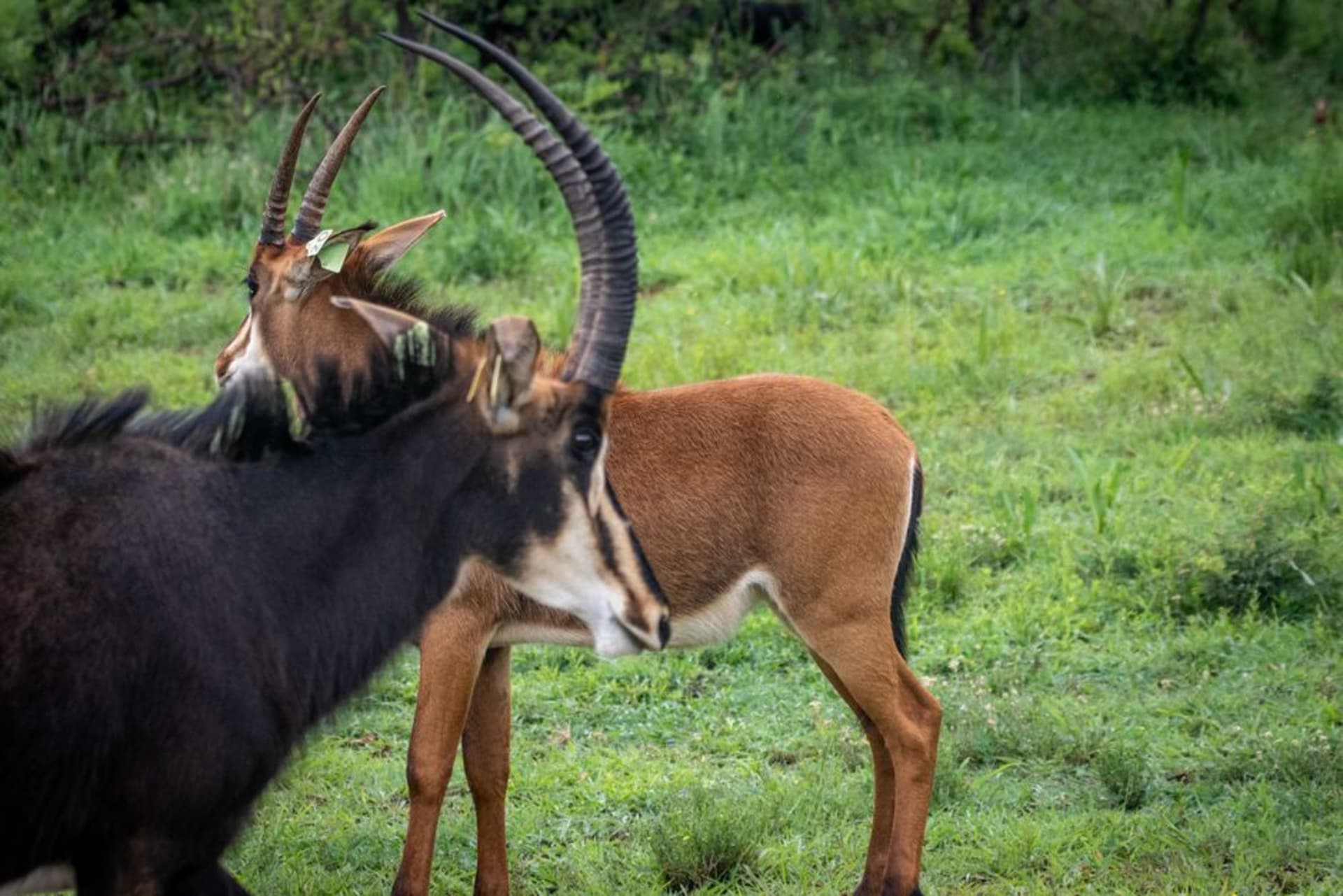
Cangandala National Park
"We drove three hours on a dirt road for the chance of ten seconds with an animal most Angolans have only seen on a banknote."
A tiny woodland refuge in Malanje where Angola's rarest antelope, once feared extinct, still moves through the miombo at dawn.
I’ll admit Lia and I had never heard of the giant sable antelope before a friend in Luanda mentioned it over dinner, half-joking that we’d have a better shot at winning the lottery than seeing one. That was enough to hook me. Cangandala is Angola’s smallest national park, barely 600 square kilometers of miombo woodland in Malanje province, and it exists almost entirely because of one animal: a spiral-horned antelope found nowhere else on the planet, so central to the national identity that it’s stamped on the currency in your pocket and on postage stamps. Standing at the edge of the sanctuary fence at sunrise, I kept thinking about how strange it is to travel this far to look for something so symbolically enormous and physically so easy to miss.
The park’s story is heavier than its size suggests. During the long civil war, the giant sable antelope was assumed by many to be gone entirely, another casualty of decades of fighting that emptied so much of Angola’s wildlife. It wasn’t until 2004, when camera traps finally caught grainy footage of survivors moving through the bush, that anyone had proof the species had held on. Our guide, a soft-spoken ranger named Domingos who’d worked at the breeding sanctuary since it was fenced off, told the story like he still couldn’t quite believe it himself. He’d been part of the early monitoring team, and he described the first confirmed sighting the way you’d describe a birth.
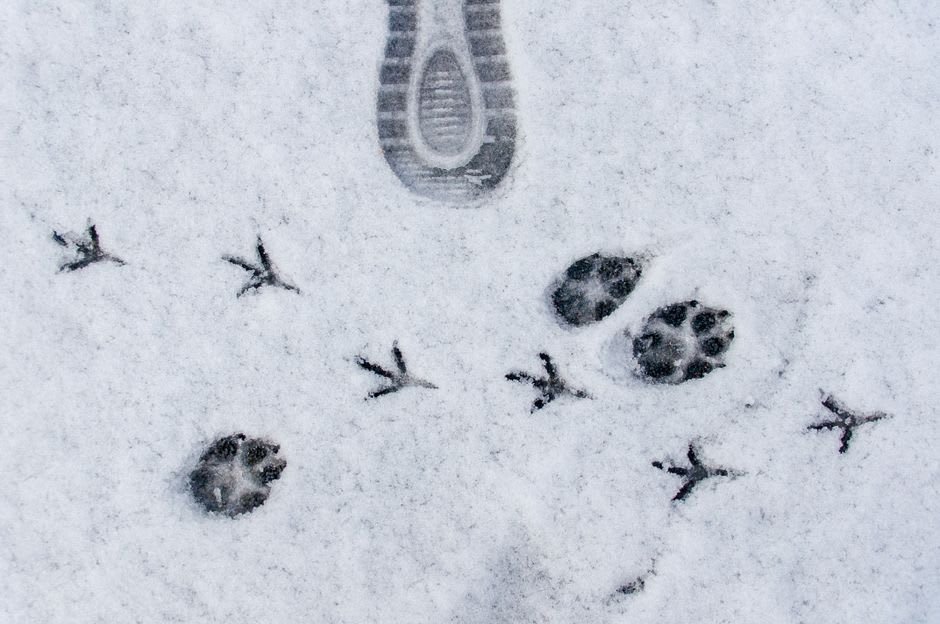
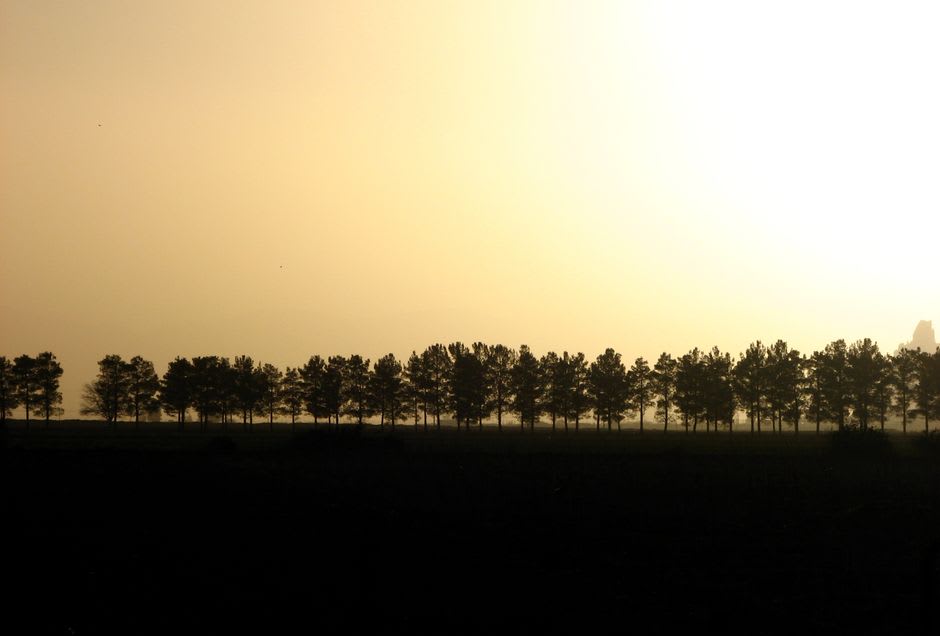
We spent two full mornings inside the sanctuary itself, walking slow loops with Domingos while he pointed out browse lines on the trees and fresh tracks pressed into the red dirt. Cangandala isn’t a park where wildlife parades past your vehicle; it’s a park where you earn every glimpse. On our second morning, right as the light turned gold through the woodland canopy, we caught maybe fifteen seconds of a male sable at the tree line, that unmistakable curved horn silhouette before he vanished. Lia grabbed my arm without saying anything. Neither of us needed to.
What stayed with me afterward wasn’t really the antelope itself but the quiet insistence of the people rebuilding this herd from almost nothing, in a park most of the world has never mapped. There’s no lodge with a pool here, no polished safari infrastructure — just a fenced sanctuary, a handful of dedicated rangers, and a species clawing its way back one calf at a time.
When to go: Aim for the dry season, roughly May through September, when the woodland thins out and the sable are easier to track — though even then, Domingos reminded us, patience matters more than timing.