Selime Monastery
"An entire cathedral, carved from one piece of mountain, and you can still climb into every room of it."
A cathedral-sized monastery carved entirely from a single volcanic cliff at the mouth of Ihlara Valley, its chimney-blackened kitchen and rock-cut stables still intact after a thousand years.
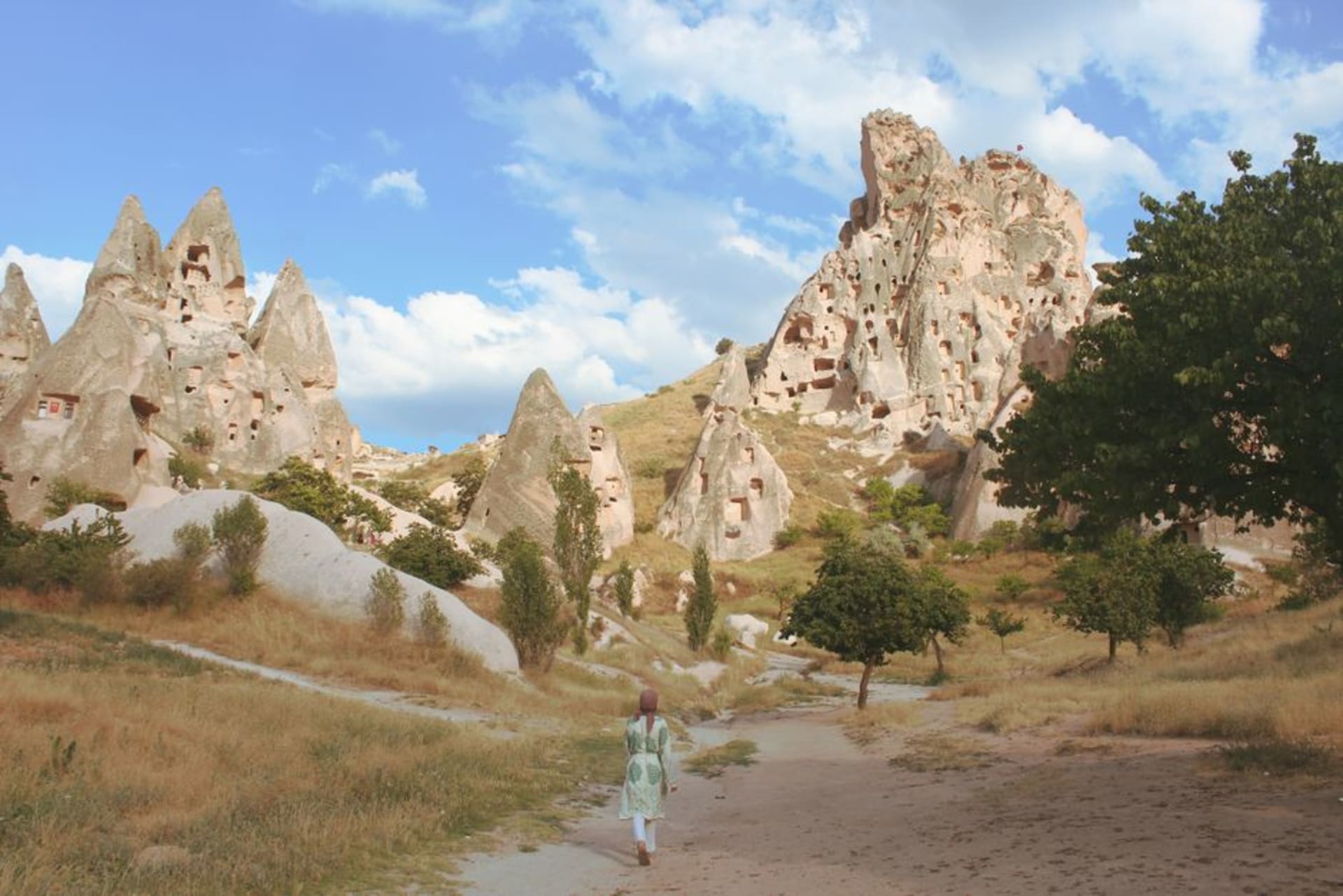
Selime Monastery sits at the northern mouth of Ihlara Valley, where the canyon opens back out onto the plateau, and it is easily the largest rock-cut religious complex in the entire Cappadocia region — a fact that surprised me, because it gets a fraction of the attention its size deserves. Where most of the region’s churches are single carved rooms, Selime is an entire monastic complex hollowed from one continuous cliff face: a cathedral-sized main church with a rounded apse and thick columns carved in place rather than built, a kitchen with a soot-blackened ceiling from centuries of cooking fires, stables with mangers still cut into the stone floor, and dormitory cells stacked across multiple levels connected by internal staircases and tunnels.
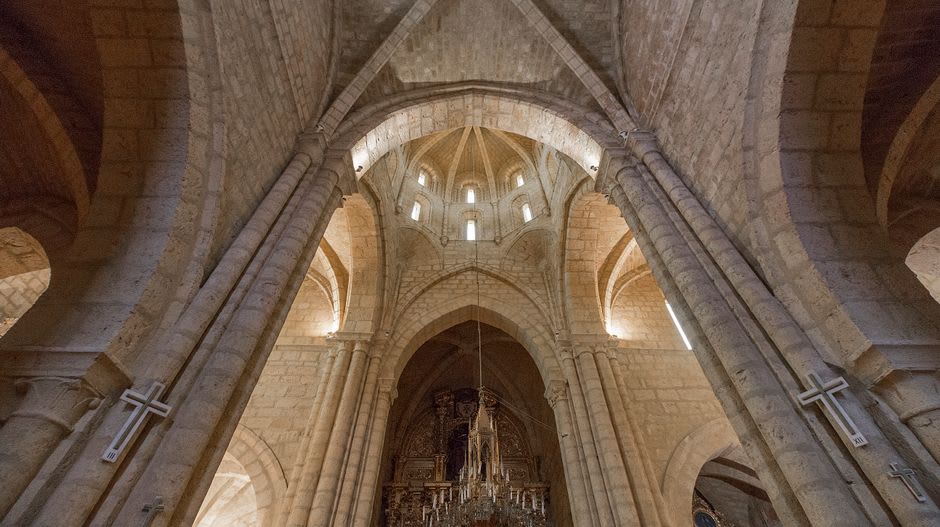
What struck me most was how unrestricted the climb through it is. Unlike Göreme’s open-air museum, where walkways and barriers keep you at a careful distance, Selime lets you scramble up narrow internal staircases, duck through low doorways connecting one chamber to the next, and eventually reach an upper terrace with a view straight down the length of Ihlara Valley toward the poplar-lined river. I got slightly lost twice inside the complex, backtracking through rooms I’d already seen from a different angle, which is less an inconvenience than the actual point — this was designed as a functioning, defensible monastic community for possibly hundreds of monks, not a single tidy tourist loop.
Locals in the small village below still call the rock formations around Selime “Star Wars valley,” because the eroded cones and tunnels reportedly caught the eye of location scouts decades ago, though as far as I could confirm nothing was ever actually filmed here — it’s the kind of local legend that persists regardless of accuracy because the landscape genuinely looks otherworldly enough to deserve it. Standing on the monastery’s upper terrace at midday, watching the light move across the canyon walls of Ihlara stretching south, I understood the comparison even without the film connection. It’s landscape that looks engineered rather than eroded.
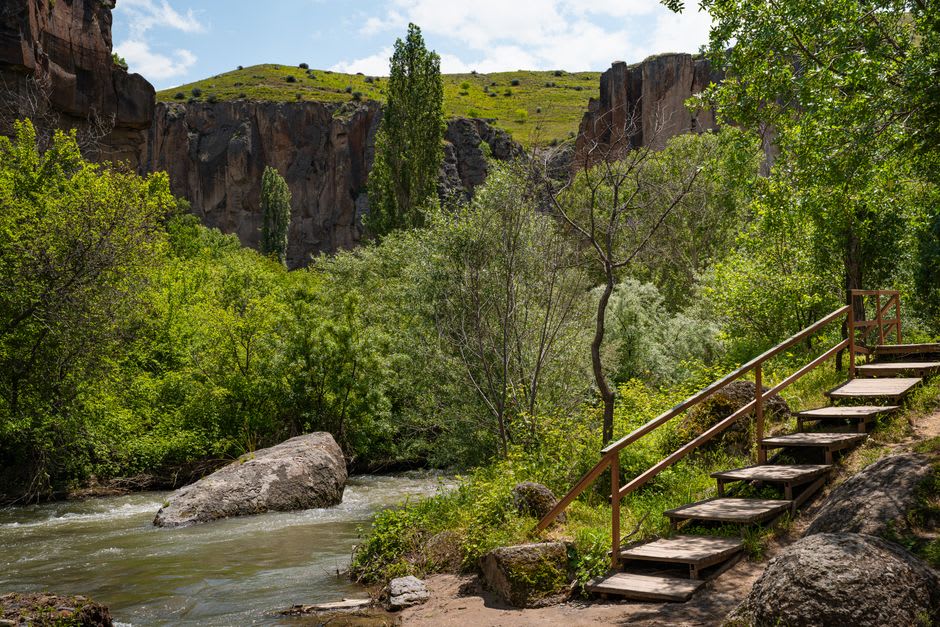
When to go: Late morning, ideally as the final stop after walking north through Ihlara Valley, since Selime sits at the canyon’s mouth and makes a natural endpoint. Wear shoes with grip — some of the internal staircases are worn smooth and steep.
Keep exploring
More from Anatolian Plateau
 anatolian-plateau
 Soğanlı Valley
A remote canyon south of Cappadocia's tourist corridor, honeycombed with Byzantine cave churches and worked today by grandmothers selling dolls made from the valley's own dried leaves.
Explore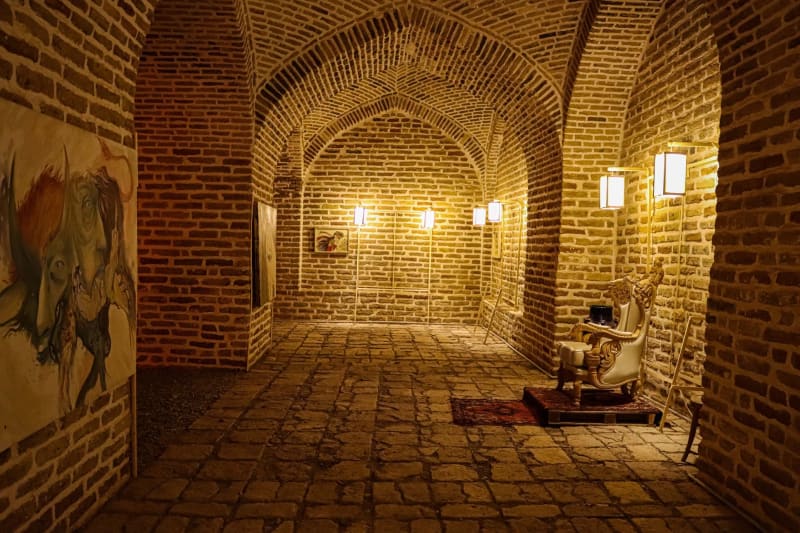 anatolian-plateau
 Sultanhanı Caravanserai
The largest Seljuk caravanserai in Anatolia — an 800-year-old Silk Road relay station so intact you can almost hear the camels.
Explore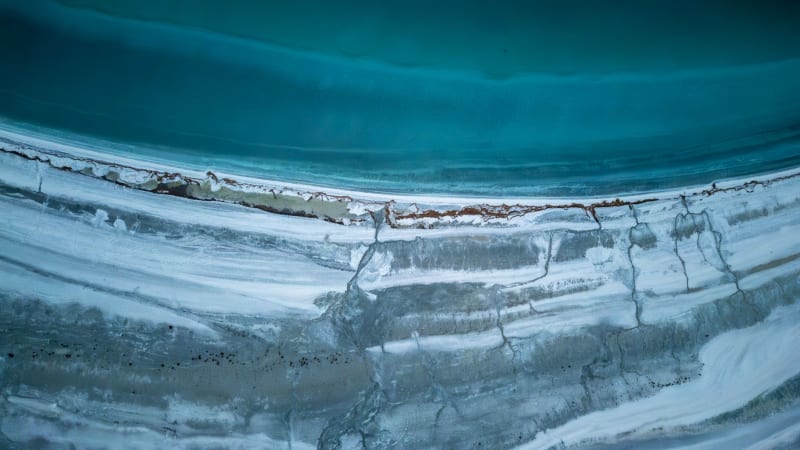 anatolian-plateau
 Tuz Gölü
Turkey's great salt lake turns the plateau into a white mirror in late summer, where flamingos breed and the horizon disappears.
Explore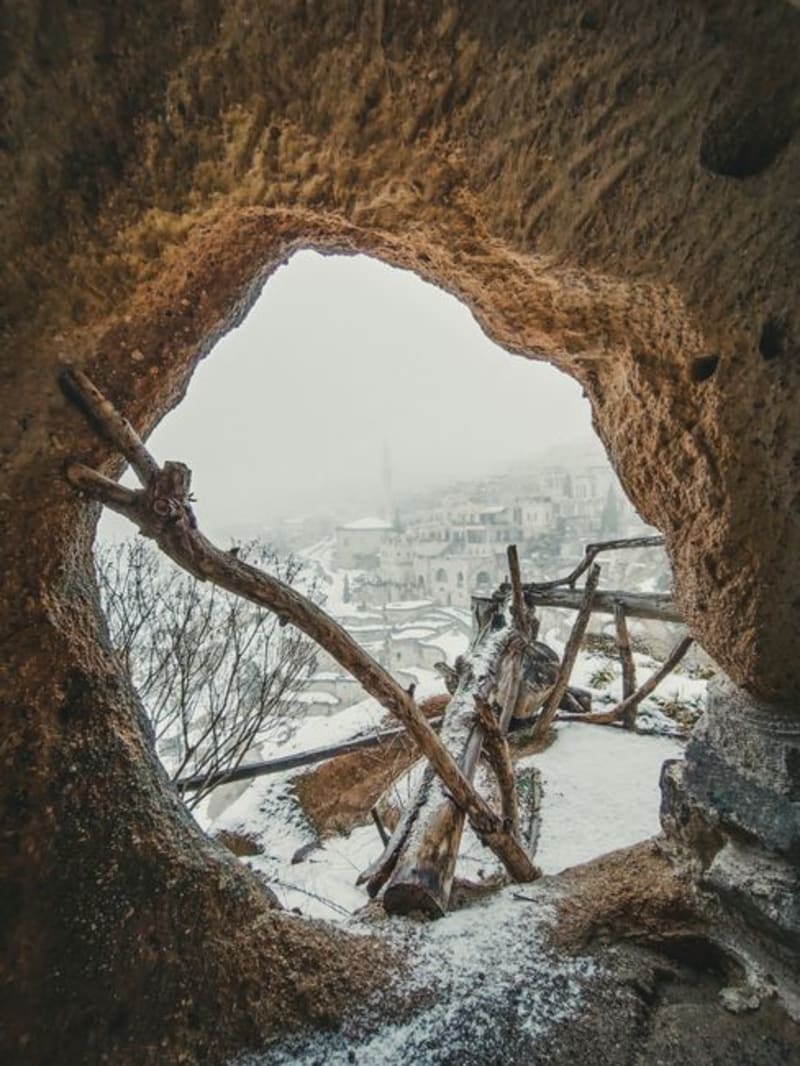 anatolian-plateau
 Uçhisar
A honeycombed volcanic rock castle rising over the highest point in Cappadocia, riddled with hand-carved rooms that pigeons have quietly reclaimed.
Explore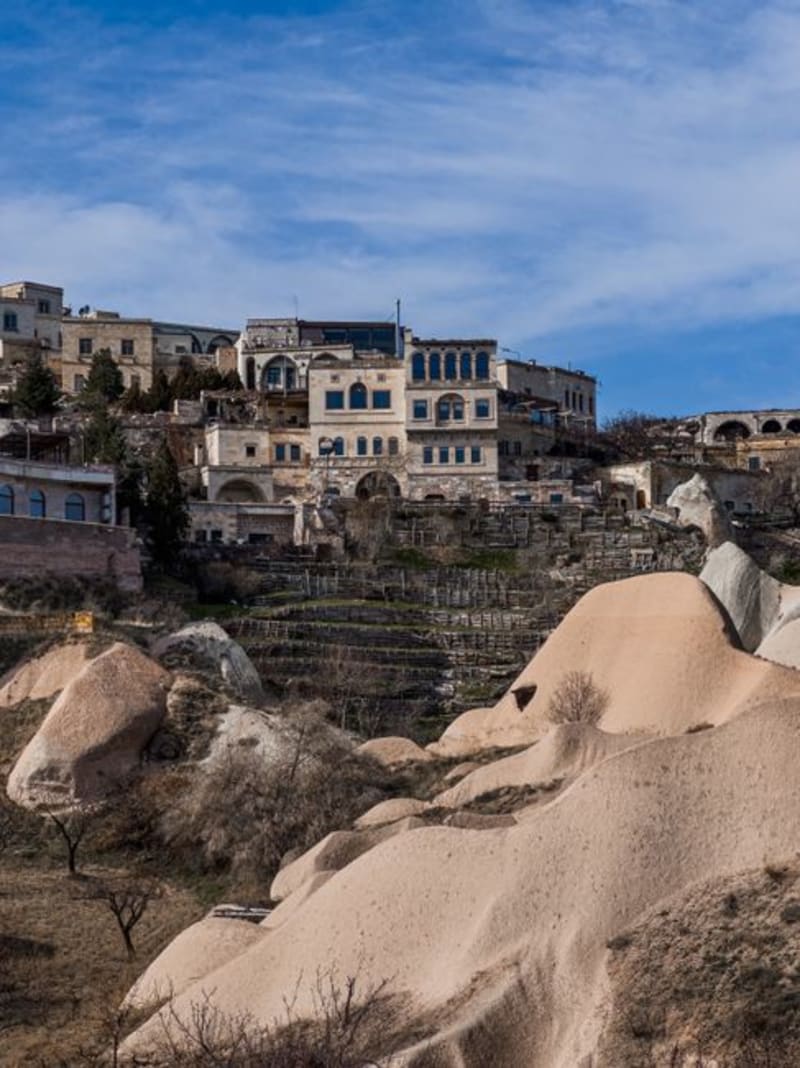 anatolian-plateau
 Ürgüp
Cappadocia's most polished small town, built into and around fairy chimney cliffs, with a wine tradition older than the Ottoman Empire and a Thursday market that still runs on local time.
Explore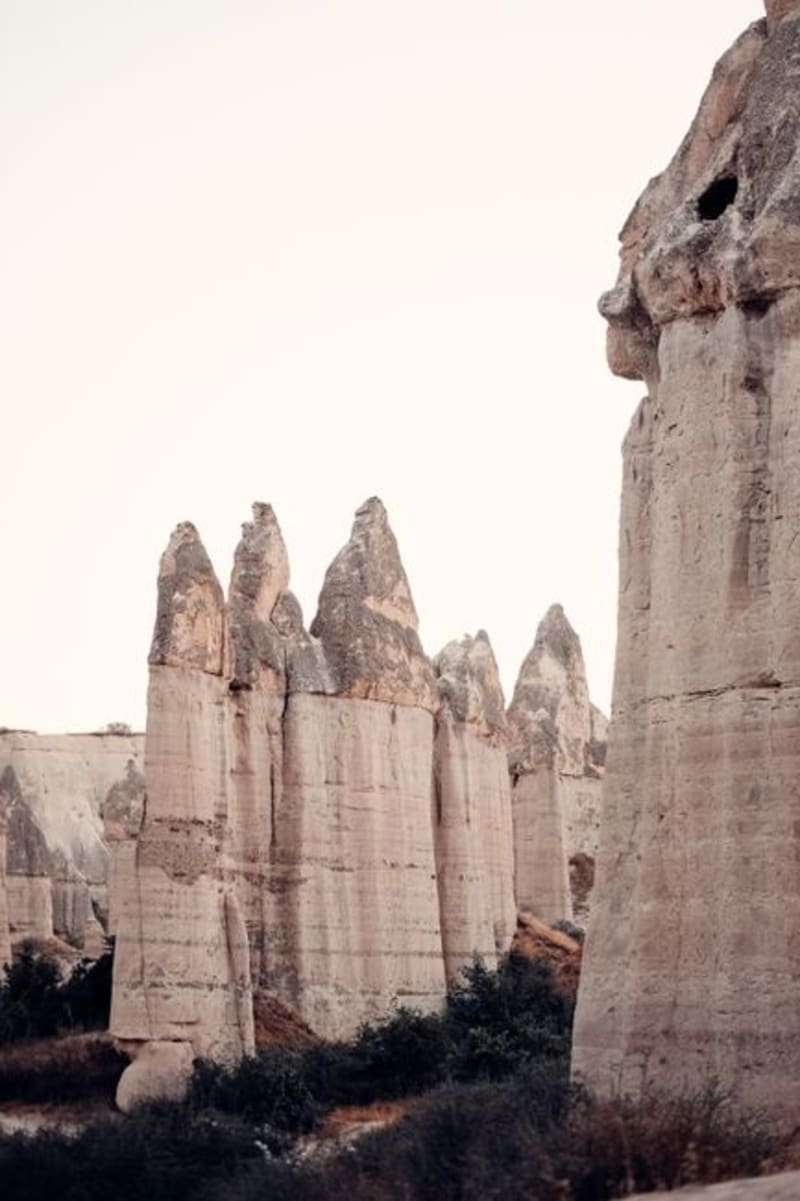 anatolian-plateau
 Zelve
An entire abandoned valley of rock-cut homes, churches, and mills that villagers lived in until 1952, left to crumble quietly into the fairy chimneys that once housed them.
Explore