Kültepe
"The oldest written contracts on Earth were signed on this hill, by merchants who never expected anyone to read them again."
An unassuming mound near Kayseri where thousands of clay tablets revealed the world's oldest known written contracts, left by Assyrian merchants who ran a trading colony here four thousand years ago.
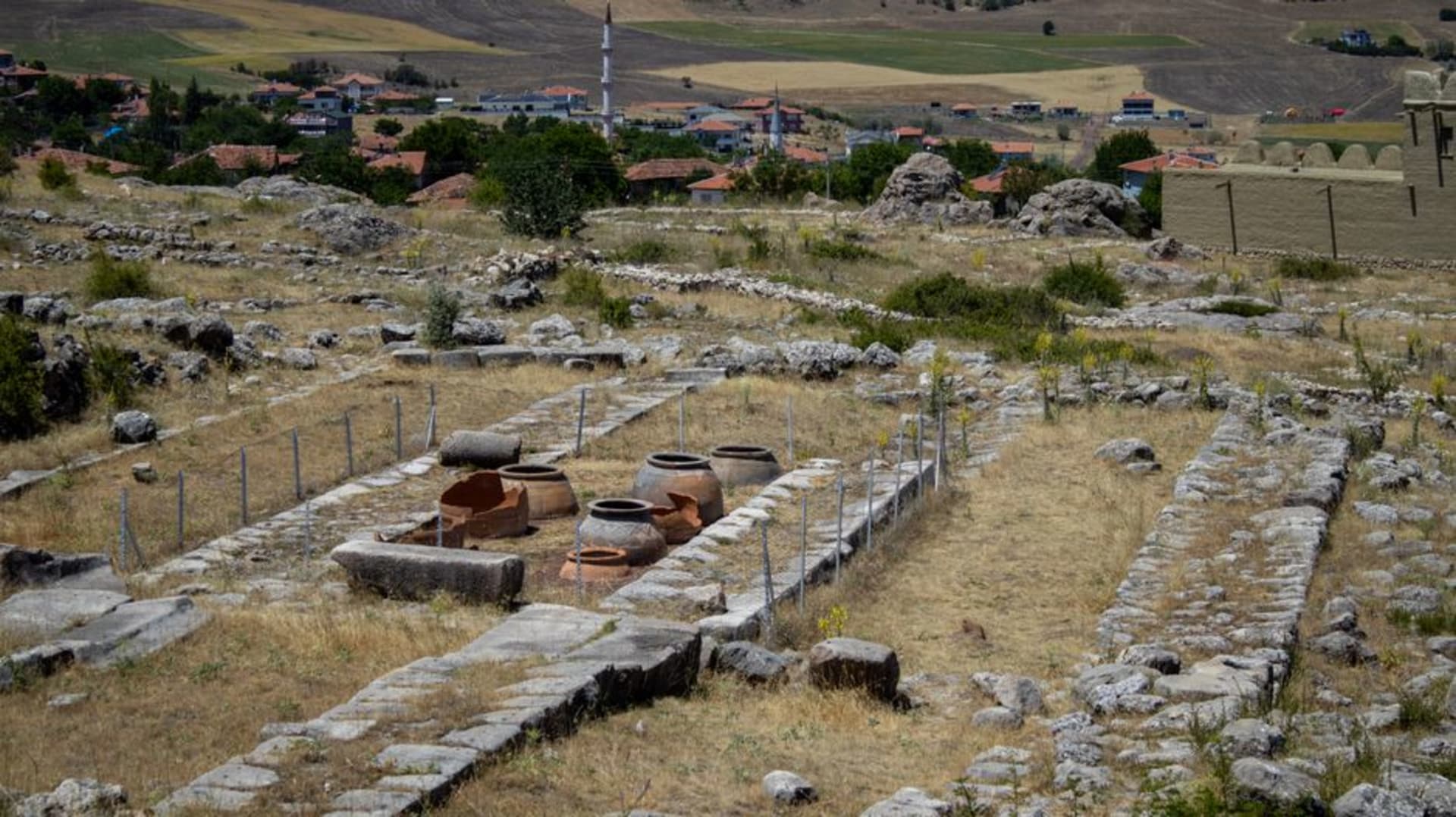
Kültepe doesn’t look like much when you first arrive — a low, grassy mound rising gently out of the plain northeast of Kayseri, with excavated trenches revealing foundation walls in reddish-brown mudbrick, unglamorous compared to Cappadocia’s carved valleys forty minutes away. But this unassuming hill, ancient Kanesh, is one of the most historically important sites in Anatolia, because it was here, starting around 1950 BC, that Assyrian merchants from Mesopotamia established a karum, a trading colony, and left behind more than 23,000 clay tablets recording their business — contracts, loan agreements, marriage records, complaints about late shipments — written in cuneiform and constituting the oldest substantial archive of written documents ever found in Anatolia, predating the Hittites who would later build their capital at nearby Hattusa.
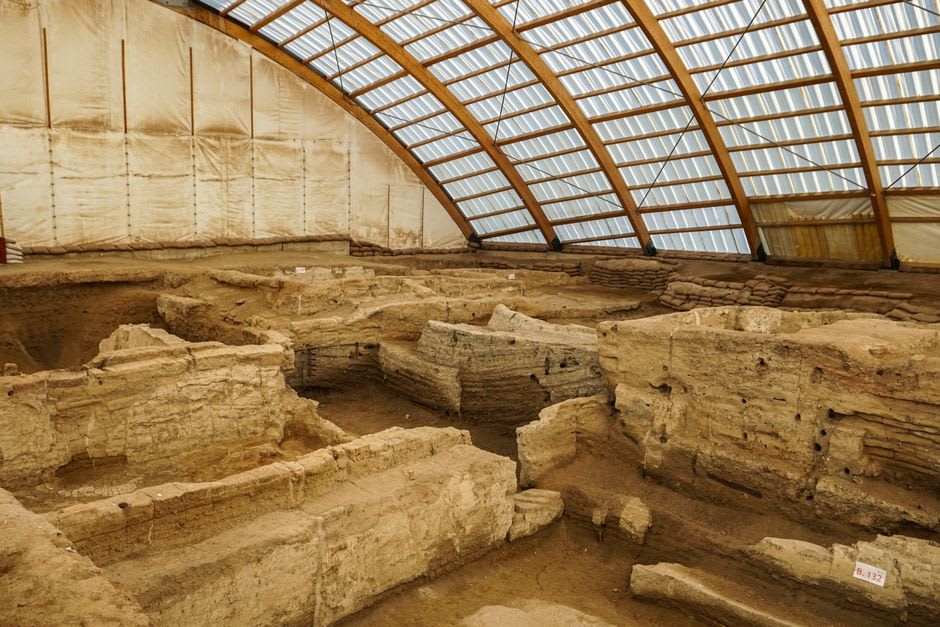
What genuinely got me, standing at the edge of one excavated house foundation, was how personal the tablets turn out to be once you read translations of them, which the small on-site museum in nearby Kayseri displays alongside actual tablets recovered from this exact spot. These aren’t royal proclamations. They’re merchants writing home to Assyria complaining that a shipment of tin was short, or a wife in Ashur writing to her merchant husband in Kanesh asking why he hadn’t sent money, or contracts specifying interest rates on loans between traders — banking documents, essentially, four thousand years old, describing a caravan trade route that connected this exact spot in central Anatolia to Mesopotamia via donkey caravan, moving tin and textiles for Anatolian silver and gold.
The site itself is modest and quiet — a handful of other visitors on the afternoon I went, mostly Turkish schoolchildren on a supervised trip, herded past the excavated trenches by a teacher reading from a laminated sheet. There’s something fitting about that low-key atmosphere: Kültepe was never a monument built to impress anyone, it was a working commercial district, and it reads that way even in ruin — practical house foundations, storage rooms, and workshop spaces rather than grand ceremonial architecture. It’s the plateau’s quietest kind of significance: not a temple or a battlefield, but the paper trail of ordinary international trade, four millennia old and still legible.
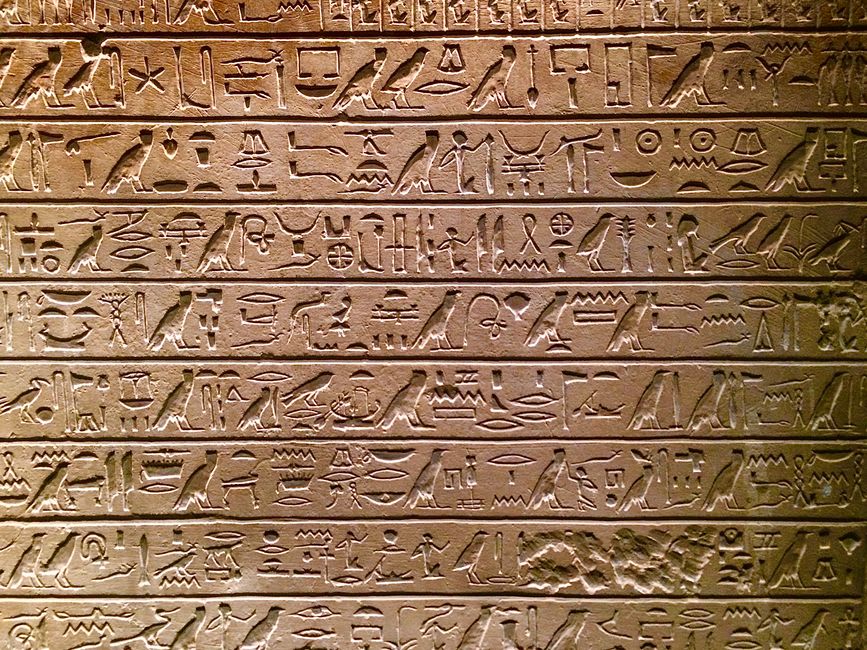
When to go: Any season, since there’s little shade but also little that requires walking far — spring and autumn are most comfortable. Pair it with the Kayseri Archaeology Museum, where the best tablets recovered from the site are actually displayed, since the site itself has minimal on-site interpretation.