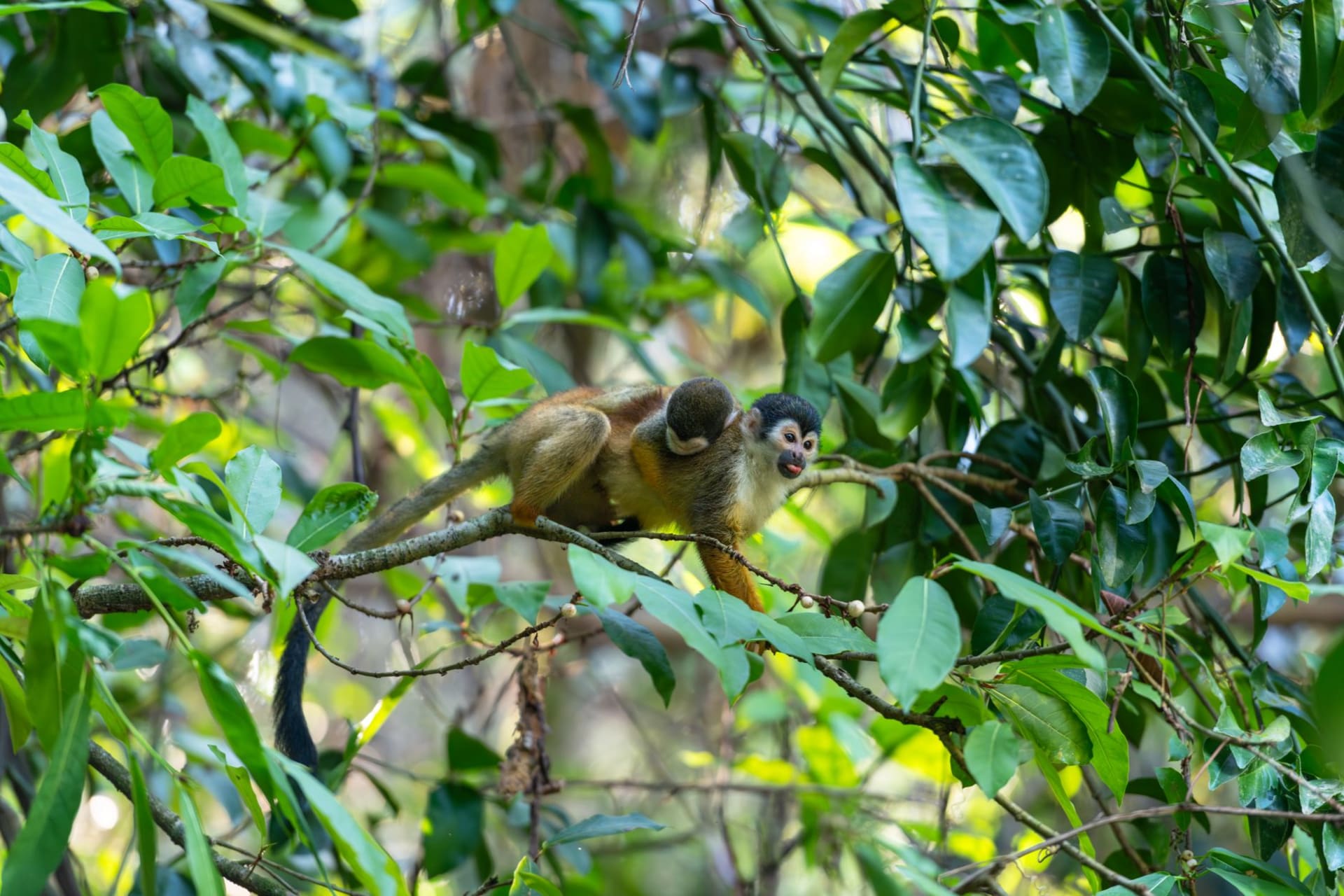
Cuyabeno Wildlife Reserve
"The black water gives back such a perfect reflection that you start to lose track of which forest is real."
The road from Lago Agrio to the Cuyabeno reserve entrance takes two hours through palm oil plantations and cacao farms, and the transition into the forest feels abrupt — a line in the vegetation where extraction stops and protection begins, drawn somewhere back in the 1970s when Ecuador still had the will to draw such lines. At the dock, the canoe waits. From here everything is water.
Cuyabeno is a black-water ecosystem, which means the rivers and lagoons run a deep tea color — tannins from decomposing leaves, the same chemistry that stains a cup if you leave the bag too long. The darkness of the water changes everything: the reflections are sharper, the light at golden hour turns the surface to hammered copper, and the black background makes the pink of the river dolphins, when they surface, almost fluorescent. I saw my first boto on the second morning, just ahead of the canoe, rolling in a way that seemed casual but covered ground faster than the motor. It surfaced three more times before disappearing into the flooded trees.
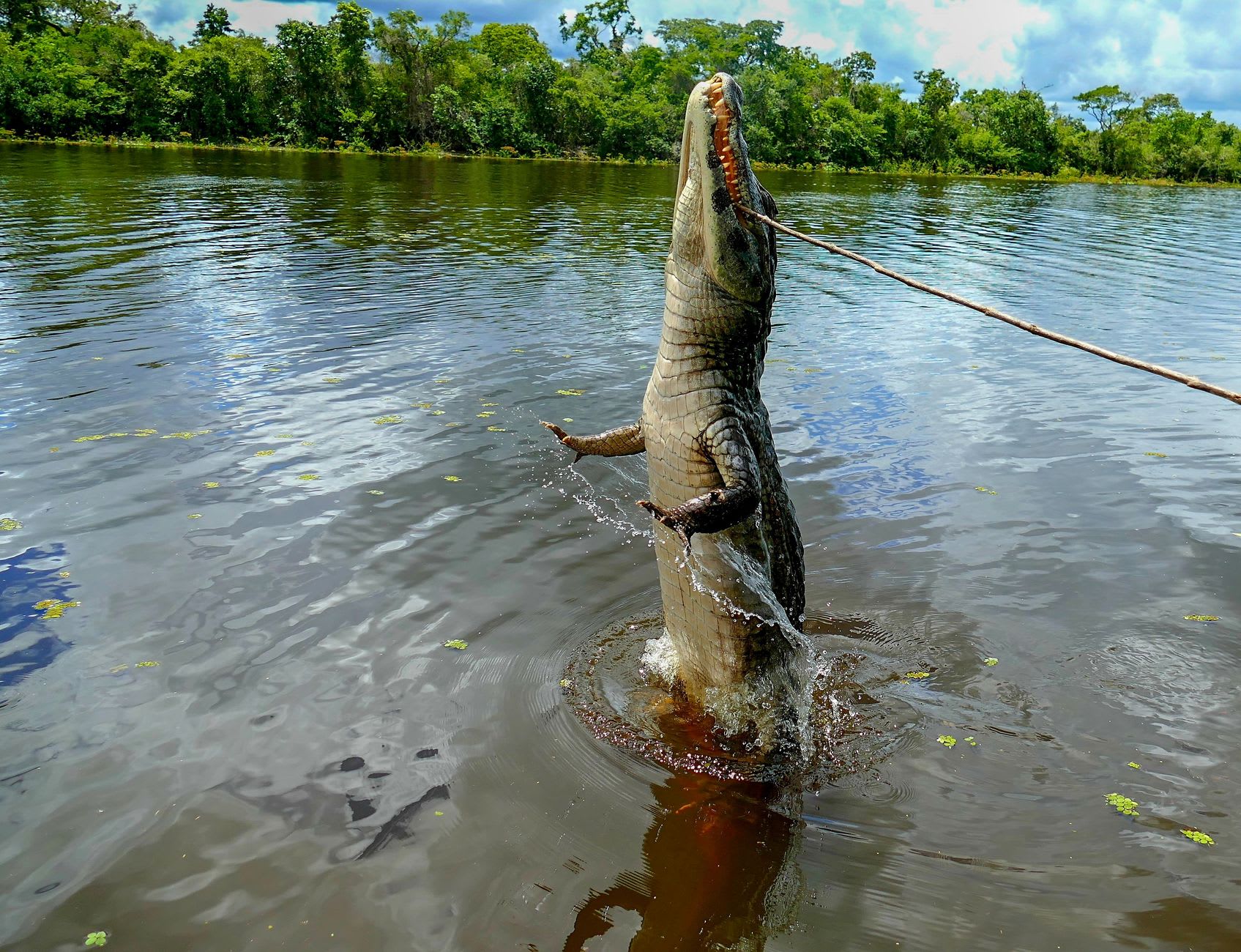
The lodges in Cuyabeno are thatched-roof platforms built over the water — no glass in the windows, mosquito nets above the beds, the sound of the lagoon constant through the night. I woke at three in the morning to what I initially thought was a large animal walking on the platform, and turned my headlamp on to find a spider the size of my open hand sitting on the wall next to my face. I relocated to the hammock outside. This also had its challenges. Cuyabeno is not glamping.
What it is: deeply, memorably wild. The giant otters we found on the third day — a family of five, fishing in the shallows of the main lagoon — were the largest I have ever seen, a meter and a half from nose to tail, hunting cooperatively and vocalizing to each other with a complexity that sounded almost conversational. We watched them for two hours from the canoe, drifting slowly. My guide said the family had been here since he started working the reserve fifteen years ago. The continuity of that — the same family, the same lagoon, fifteen years — felt like something that needed protecting.
When to go: High water season (June through August) floods the forest and lets you canoe between the trees, which is extraordinary but means fewer walkable trails. Low water (November through January) reveals sandy beaches and concentrates wildlife near remaining water sources. Both seasons are worth it. Come with four nights minimum — the reserve rewards time.