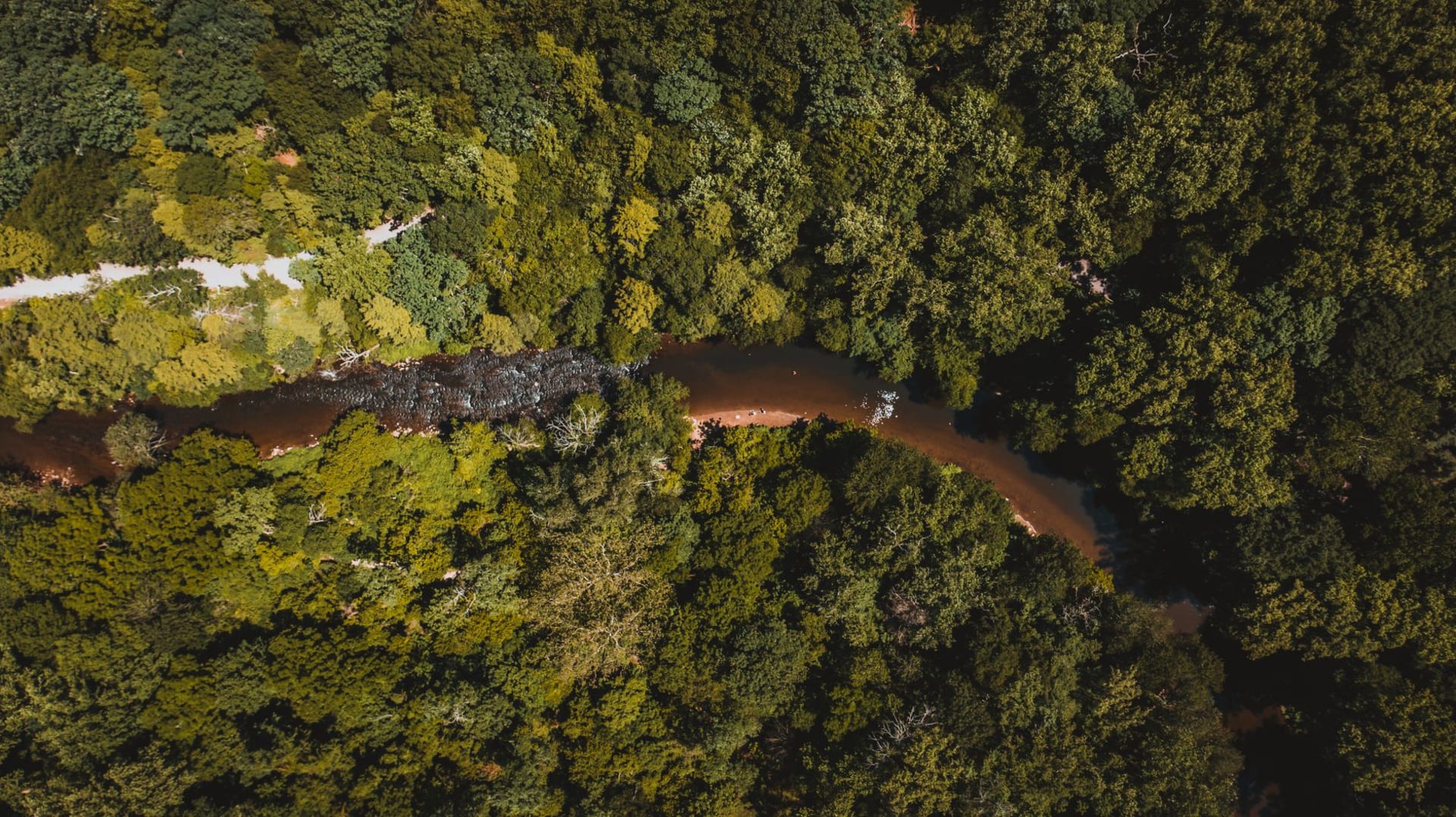
Americas
Amazon Basin
"Nothing prepares you for the silence of a jungle that is never actually silent."
The planet's largest rainforest — where the river swallows the horizon, the canopy swallows the sky, and every hour in the jungle rewrites your understanding of scale.

The boat leaves Manaus before sunrise, and for the first half-hour you are still in something recognizable — brown river, distant shore, the odd floating house. Then the Rio Negro swallows the smaller waterways and the forest closes in on both sides, and you understand that you have entered a system rather than a place. The Amazon Basin is not a destination the way Paris is a destination. It is a fact about the earth that you are choosing to confront in person.
I spent three weeks moving between Manaus, the Javari Valley, and a small ecolodge near Tena on the Ecuadorian side of the basin — and the experience shifted something fundamental in how I think about wilderness. The noise alone is disorienting at first: frogs, macaws, howler monkeys, insects producing a wall of sound that continues without pause through the night. Your jungle guide, if you have a good one, will stop mid-trail and point at something you would have walked past — a poison dart frog the size of a thumbnail, a sloth hanging motionless thirty metres up, a column of army ants dismantling a fallen tree with the efficiency of a machine. The density of life operating at every scale simultaneously is genuinely overwhelming. I found myself just standing still, trying to pay attention to it all, which is not a feeling I have often in travel.
The river towns are their own world. Manaus is a city of two million people in the middle of nowhere, with a nineteenth-century opera house — the Teatro Amazonas — that remains one of the stranger sights in South America. The mercado municipal sells smoked pirarucu, river turtle, tacacá soup with jambu leaves that numb your tongue, and açaí in its real form: thick, sour, dark purple, nothing like the sweetened version you know from elsewhere. Eat at a simple lanchonete near the port. Order whatever the woman behind the counter says is good. You will not be disappointed.
When to go: June to November is the low-water season — river beaches appear, wildlife concentrates along remaining water sources, and trails are passable. February to May is flood season: the forest floor disappears under metres of water and you navigate the treetops by canoe, which is extraordinary in its own right. Both seasons are hot and humid without exception.
What most guides get wrong: They treat the Amazon as a single destination with a single experience. The Brazilian, Peruvian, Ecuadorian, and Colombian sides of the basin are radically different in terms of access, infrastructure, indigenous community presence, and what you can actually see and do. Research the specific region you want to visit, not the Amazon in the abstract — and budget for a local guide. The jungle without local knowledge is just trees.
Explore
Places in Amazon Basin
 amazon-basin
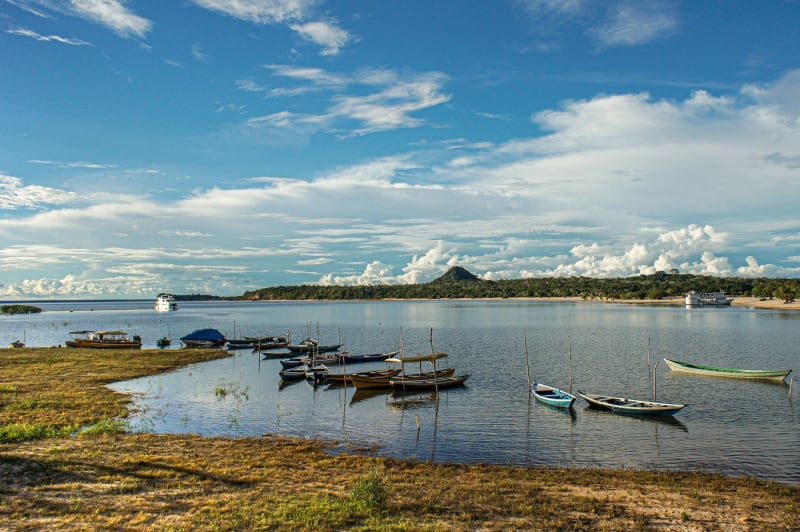
 Alter do Chão
A river village in the Brazilian Amazon where white sand beaches rise from the floodwaters each August and the jungle frames what looks impossibly like a sea.
Explore amazon-basin
 Belém
The Brazilian city where the Amazon finally meets the Atlantic, and where the morning market serves açaí so dark and sour it tastes like the forest distilled.
Explore amazon-basin
 Coca
Ecuador's oil-scarred Amazon gateway where the wide Napo River begins its journey to the sea and the deep jungle waits two hours downstream.
Explore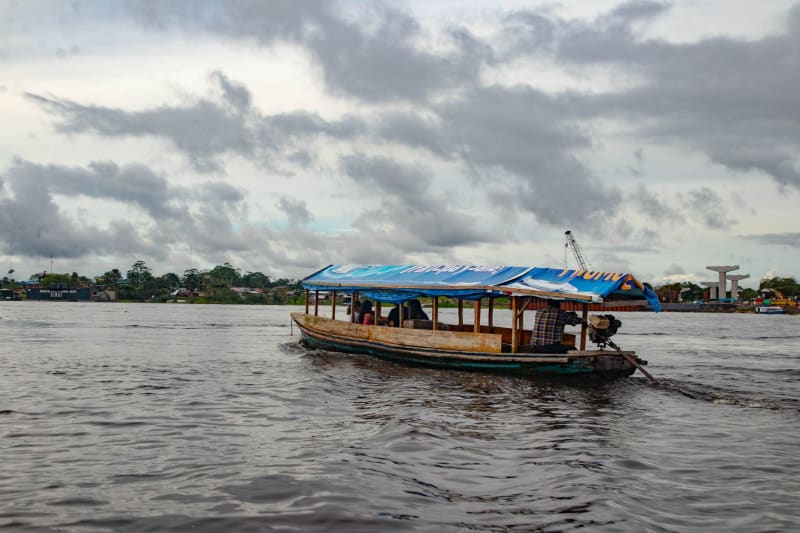 amazon-basin
 Iquitos
The world's largest city unreachable by road — Peru's floating Amazon capital where the jungle presses in from every direction and nothing arrives easily.
Explore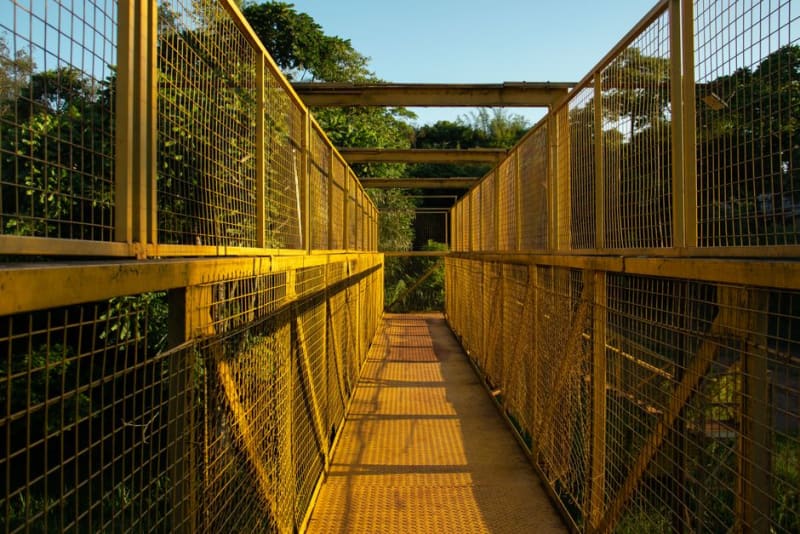 amazon-basin
 Iwokrama Forest
A 371,000-hectare wilderness in central Guyana where jaguars, giant otters and black caiman still outnumber the visitors.
Explore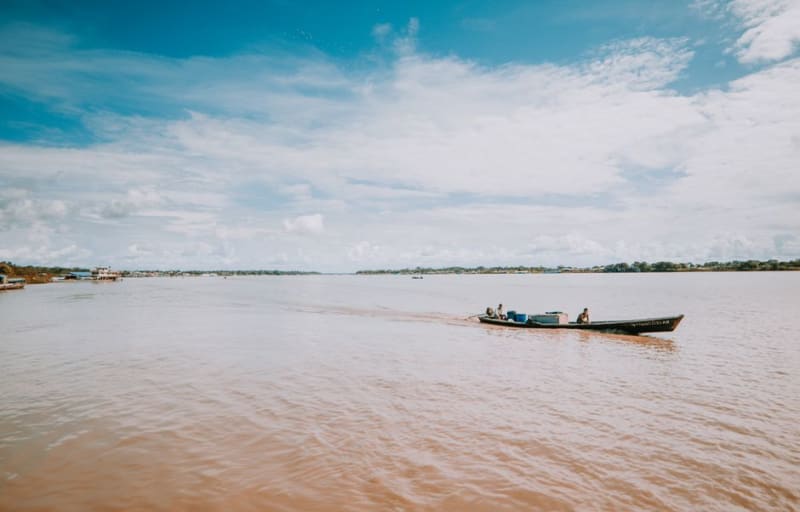 amazon-basin
 Leticia
Colombia's improbable southern tip, where three countries blur into one river town and the rainforest starts at the edge of the market.
Explore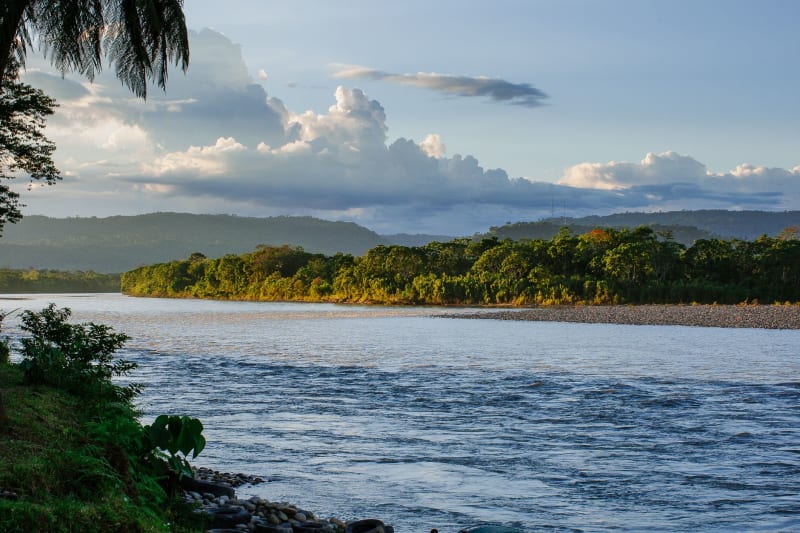 amazon-basin
 Madidi National Park
A Bolivian park that climbs from steamy lowland rainforest to Andean cloud forest and snowline, often called the most biodiverse protected area on the planet.
Explore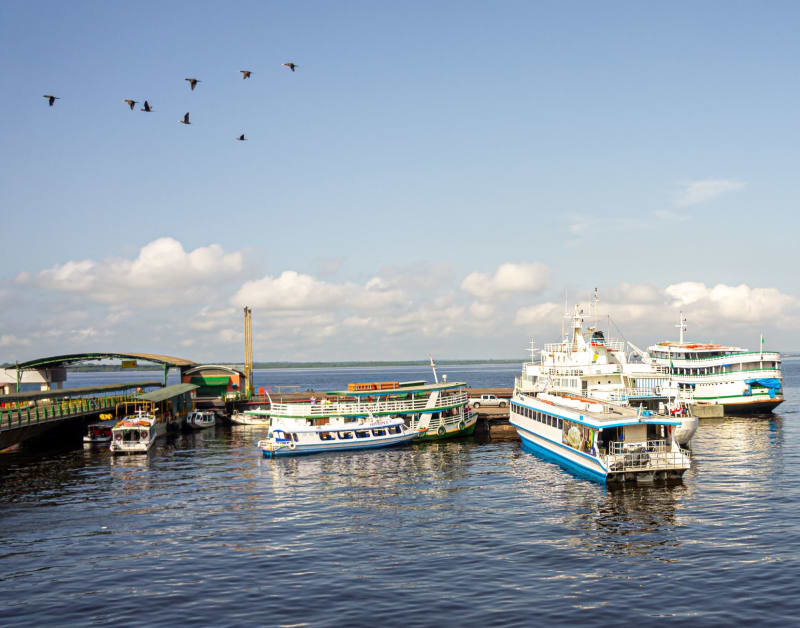 amazon-basin
 Manaus
A city of two million people marooned in the Amazon, built on rubber money and still containing an opera house that makes no rational sense.
Explore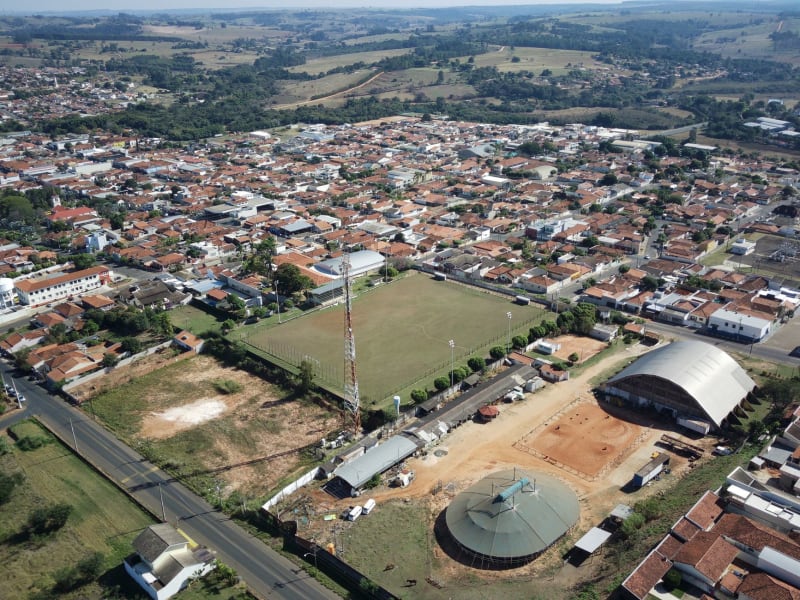 amazon-basin
 Novo Airão
A forgotten Brazilian river town on the black-water Rio Negro where pink dolphins come to the dock each day and the Anavilhanas archipelago spreads in every direction.
Explore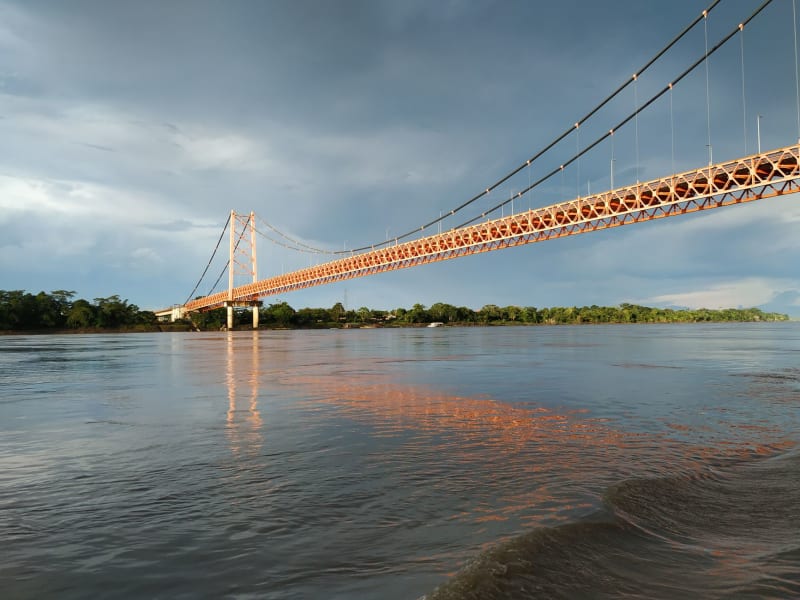 amazon-basin
 Puerto Maldonado
Peru's jungle frontier town where Brazil nut harvesters return from months in the forest and the macaws arrive at the clay lick each dawn like something from a fever dream.
Explore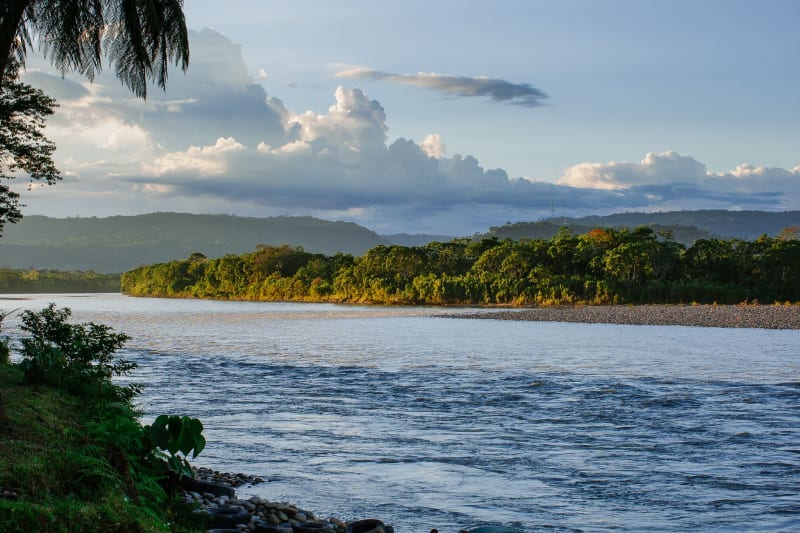 amazon-basin
 Rurrenabaque
A tiny Bolivian jungle town where two radically different ecosystems meet and pink dolphins appear in the pampas rivers at dusk like rumours made flesh.
Explore amazon-basin
 Tefé
A remote Brazilian river town deep in the central Amazon, gateway to the Mamirauá Reserve where the flooded forest is navigated by canoe from November to June.
Explore amazon-basin
 Tena
Ecuador's jungle river town where two Napo tributaries braid through the streets and Kichwa guides take you into forest that starts at the edge of the road.
Explore