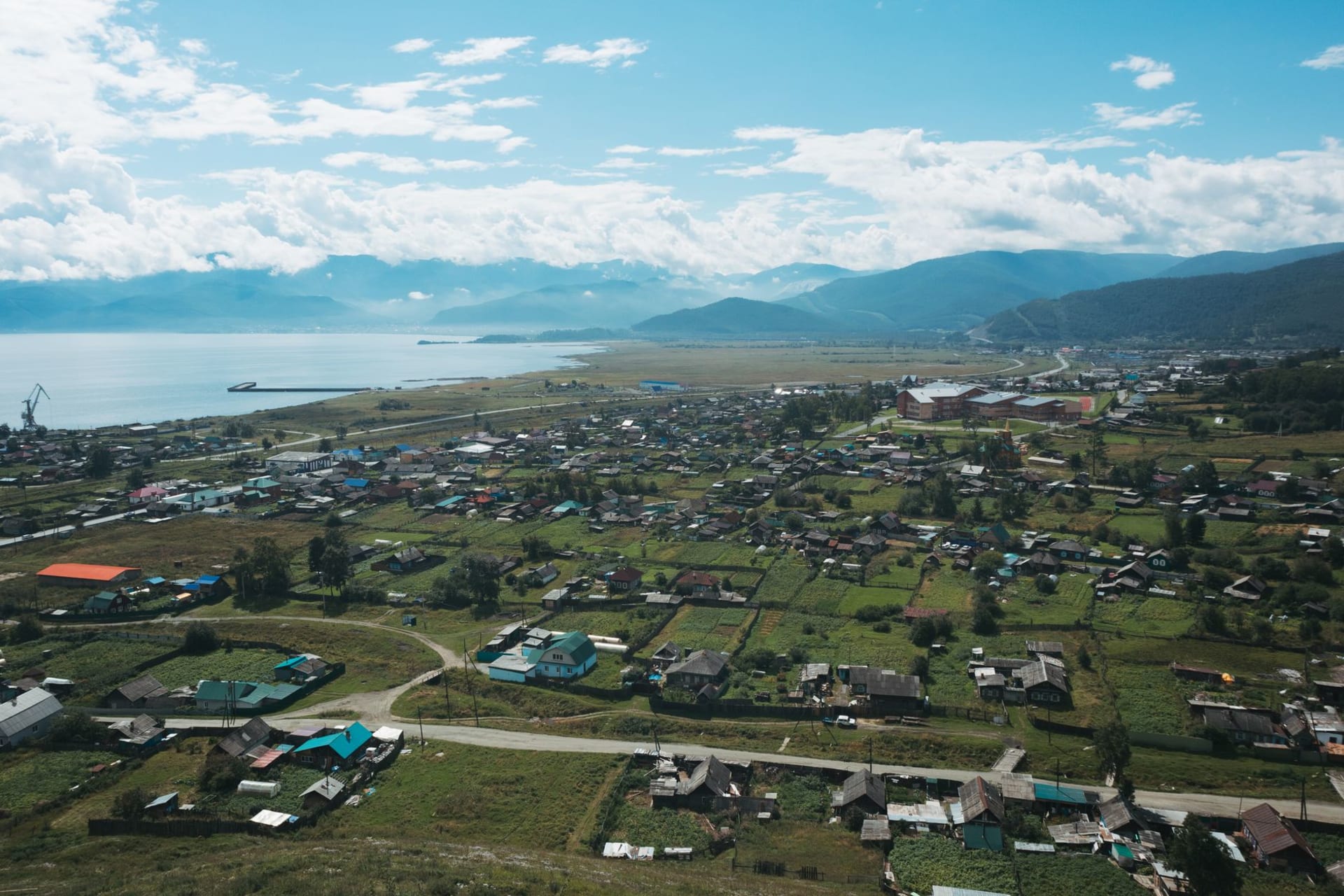
Gorno-Altaysk
"You come to Gorno-Altaysk to leave it. Then you stay a day longer than you planned, and that's usually the right call."
Everyone comes to Gorno-Altaysk with somewhere else in mind. They fly in from Novosibirsk or Moscow, collect their hire car from an office near the airport that smells of old cigarette smoke, check their route on a printed map, and head immediately south on the Chuya Highway. I did the same thing on my first visit. On my second, I stayed two days and understood what I had missed.
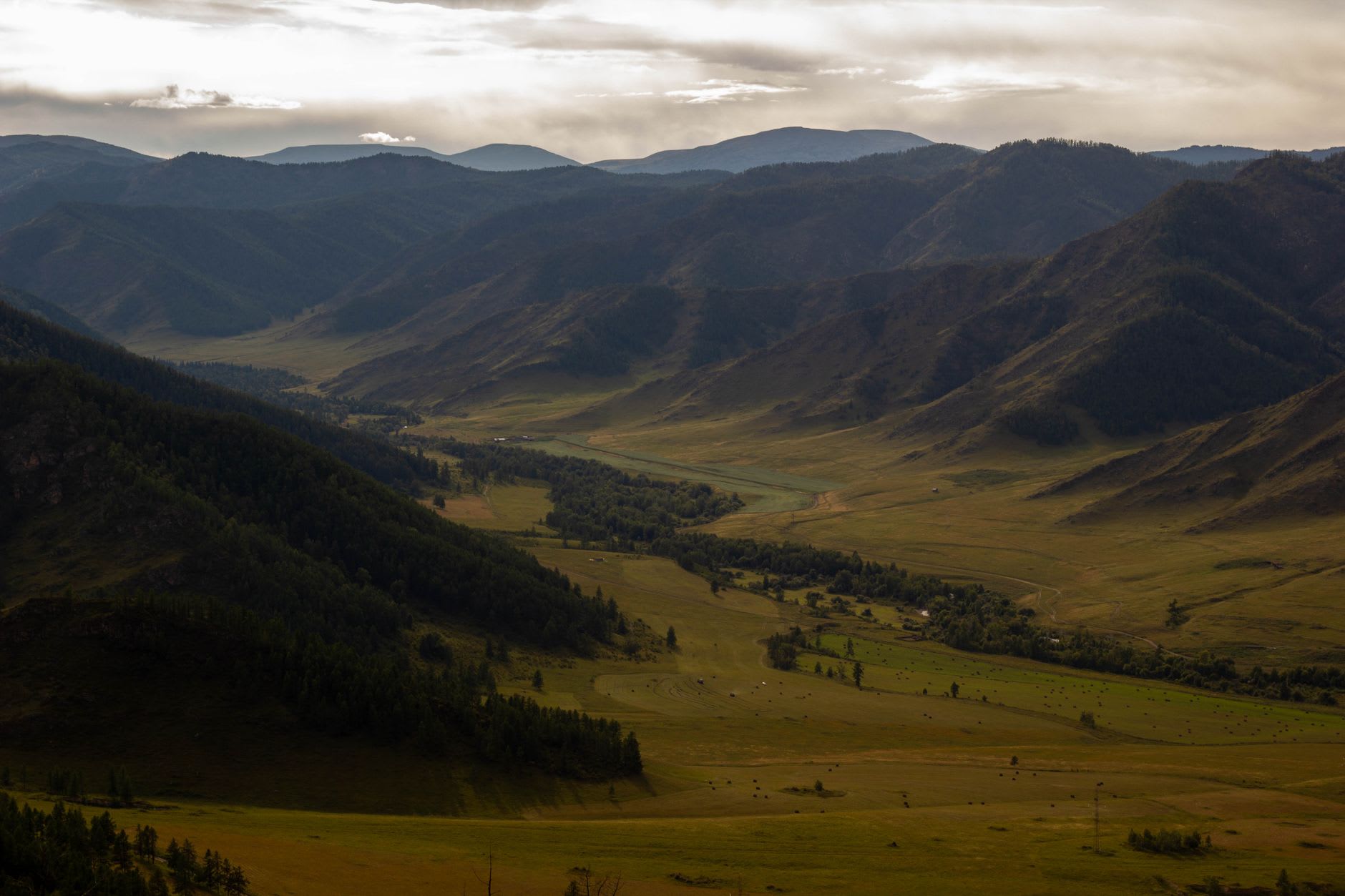
The city sits in a broad valley where the Katun and the Maima rivers meet, ringed by forested hills that change colour dramatically through the year — vivid green in summer, burning orange and red in September, bare silver in winter. It is not a beautiful city in any arranged sense. The Soviet-era architecture is relentlessly functional, the streets are wide in the way of places built for cars before cars arrived, and the main commercial drag has the universal grammar of a regional Russian town: a pharmacy, a supermarket, a shop selling outdoor gear, a cafe with lace curtains. But there is a quality of light here that I kept noticing — a particular softness in the afternoon, when the hills catch the lowering sun and throw it back gold across the valley floor.
The National Museum of the Altai Republic is reason enough to spend an afternoon. The top floor contains the reconstructed burial items from the Pazyryk culture — horse harnesses worked in gold, wooden combs carved with animals in flight, felt wall hangings with repeating deer motifs — and an entire room devoted to the Altai Princess (what they call the Ice Maiden here, to distinguish her from the Novosibirsk institution that holds her remains). The museum does not dwell on the controversy of her removal from the Ukok Plateau. It presents the artefacts as cultural heritage. Both things feel true simultaneously, which is uncomfortable in the way that real historical complexity usually is.
The cafe culture is limited but genuine. There is a place near the central market, run by a woman in her sixties who bakes her own bread every morning, where you can eat khachapuri and drink strong black tea while the radio plays Soviet-era folk songs at a volume that just barely constitutes background. I sat there for an hour on my last morning, eating bread with sour cream and watching the market set up outside, and thought that this was the kind of modest, particular pleasure that cities offer when you stop rushing through them.
What Gorno-Altaysk gives you that nowhere else in the region can is orientation. The National Museum provides cultural grounding that the wilderness cannot explain itself. The market gives you provisions, yes, but also a sense of scale — a reminder that the Altai is not only wilderness but a place where people live with great specificity, where the food at the stalls reflects centuries of both nomadic and settled practice. Leave without understanding the city and the mountains remain magnificent but abstract. Give it a day and they become part of a longer story.
When to go: Gorno-Altaysk is accessible year-round and useful as a transit point in any season. For those using it as a base before heading deeper, May through September is ideal. The museum keeps standard Russian regional hours — check ahead, as Monday closures are common.