Mariehamn
"A town small enough to walk end to end before breakfast, grand enough to make you stay a week."
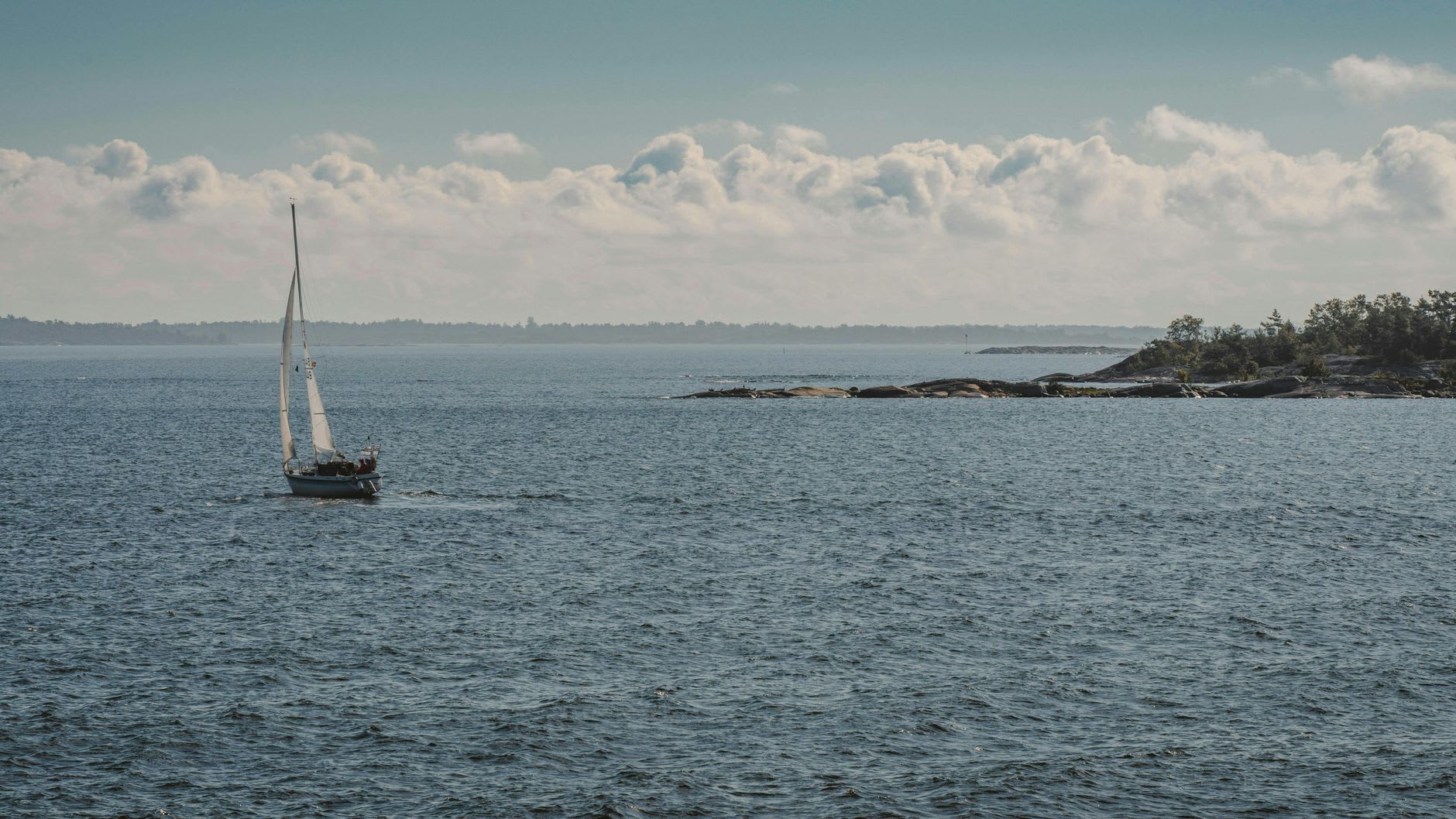
I walked off the overnight ferry from Stockholm in that early-morning daze that ferry crossings always produce — slightly damp, slightly disoriented, carrying coffee from a paper cup that had already gone cold. Mariehamn announced itself quietly. No grand arrival hall, no queues of taxis. Just a harbor full of wooden sailboats, a line of birch trees along the waterfront, and the smell of pine and low tide that I would come to associate with everything good about Åland. The town is built on a narrow peninsula, and that fact never stops feeling significant — whichever direction you walk, within ten minutes you arrive at water.
Mariehamn has two main harbors and treats them with equal reverence. The western harbor is where the big ferries come in, loud and industrial and smelling of diesel. The eastern harbor — Österhamn — is something else entirely: a still, protected bay lined with wooden sailing vessels, including the four-masted barque Pommern, the last remaining sail cargo ship in museum-worthy original condition anywhere in the world. I spent two hours aboard her, reading the logbooks under glass, touching the brass fittings in the engine room, trying to imagine what it meant to cross the Southern Ocean on this thing in 1929. The maritime museum beside her is small but exact — the kind of place where every caption was written by someone who genuinely cared about getting it right.
The town’s esplanade — Esplanaden, in Swedish — runs straight through the middle like a spine, lined with lime trees so dense that in July they form a tunnel of green overhead. Cafés put out chairs beneath them. Local people walk their dogs very slowly. A man was reading a newspaper in a folding chair outside a hardware shop, and no one seemed to find this unusual. I ate lunch at a spot near the western harbor — a plate of pickled herring in four different preparations, with boiled new potatoes glistening with butter and an almost aggressive amount of fresh dill. The herring had been made nearby, in the Baltic style, and the slight sweetness of the Baltic fish is different from the sharper Norwegian kind. I ate everything and ordered more bread.
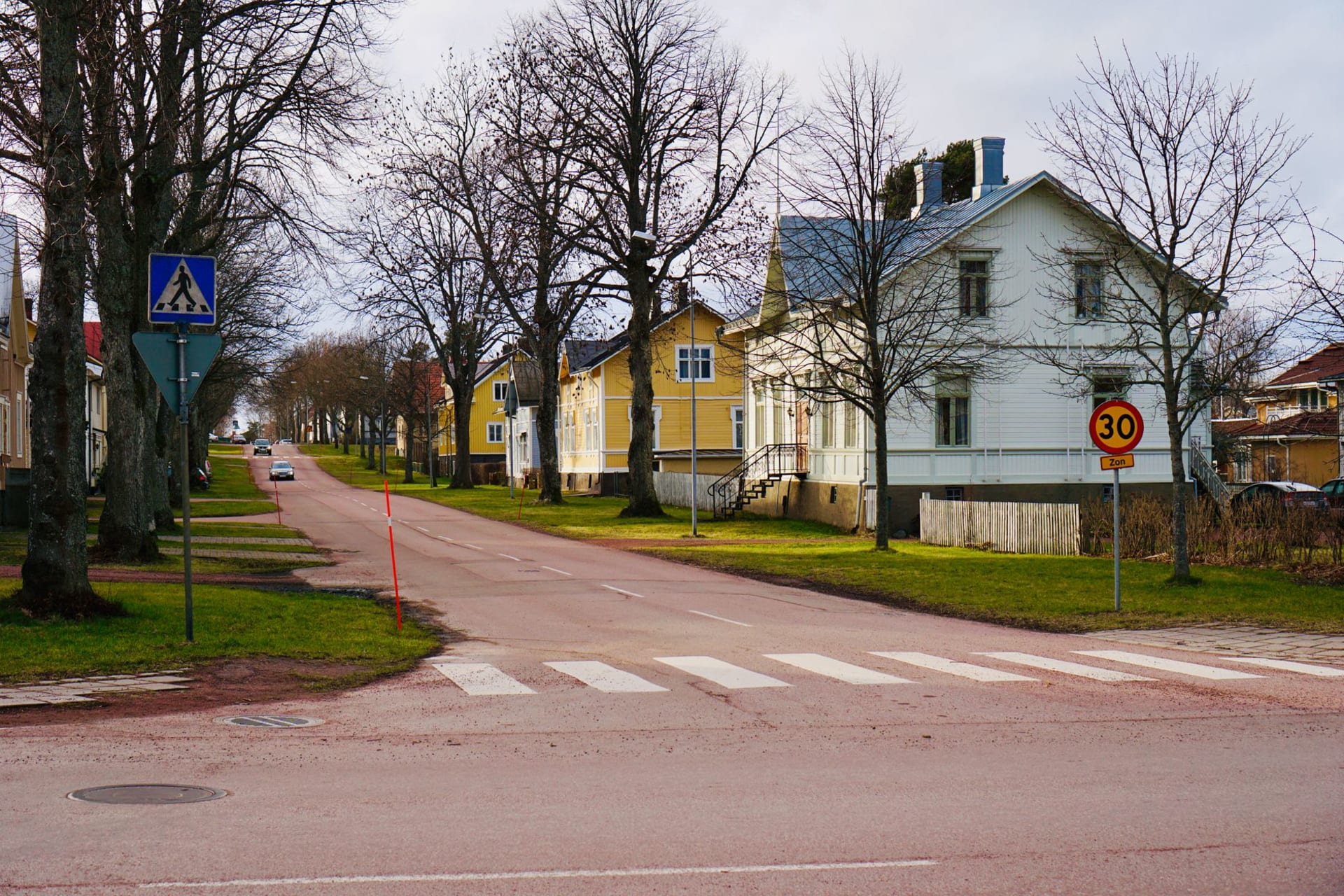
The wooden architecture is what lingers. Mariehamn was built almost entirely of timber, and strict preservation rules mean it has stayed that way — two-story houses painted in the chalky heritage palette of Swedish maritime towns, with decorative gingerbread trim and small kitchen gardens. Walking the residential streets south of the esplanade feels like walking through a town that accidentally preserved itself, that simply never found a reason to knock anything down. In the late evening light, when the sun angles in from the northwest and turns the white-painted facades amber, it is almost unreasonably beautiful.

The town has the quiet confidence of a place that knows exactly what it is. It is not trying to be Helsinki or Stockholm. It has one main museum, one good bookshop, several excellent seafood restaurants, and the kind of Saturday farmers’ market where everything being sold was caught or grown within twenty kilometers. The craft beer scene is newer but earnest. By the standards of Nordic island towns, Mariehamn is almost cosmopolitan — which is to say it has two restaurants open past nine.
When to go: June through August is when Mariehamn fully opens. The harbor fills with visiting yachts from Sweden and Finland, the markets run daily, and the long evenings stretch past ten o’clock in a way that makes dinner feel like it belongs to another time zone. July is peak season and the ferries are full, but the town handles it without losing composure. September is quieter, cooler, and the light through the lime trees turns gold.