
Kastelholm
"Seven hundred years of Baltic politics compressed into one small ruin, and the water around it hasn't changed at all."
The road to Kastelholm passes through the kind of Ålandic countryside that looks too composed to be accidental — meadows running down to the water, small red barns in the middle distance, the occasional horse standing in a field with the motionless dignity of an animal that has nowhere to be. I came by bicycle, which turned out to be the right decision: the last kilometer is on a gravel path through birch forest, and arriving under the trees on two wheels, with the castle tower appearing suddenly above the canopy, produced a theatrical entrance I hadn’t planned. The castle sits on a narrow rock promontory jutting into a small lake-like inlet, and the water mirrors the stone walls on calm mornings with an exactness that makes the whole thing look staged.
Kastelholm Castle was built in the fourteenth century as the Swedish crown’s administrative center for the eastern Baltic — Sweden’s easternmost stronghold, a garrison and a prison and a royal residence all in one set of walls. Four Swedish kings used it. The Russian empire garrisoned it. It burned three times and was partially rebuilt after each fire. What you see now is the product of careful twentieth-century restoration: enough of the original stone to be genuine, enough new work to be legible. The interior rooms tell the history in layers — iron rings in the dungeon where prisoners were chained, a royal chamber with a remnant of the original painted decoration, a kitchen that once fed an administrative outpost at the edge of the known Swedish world.
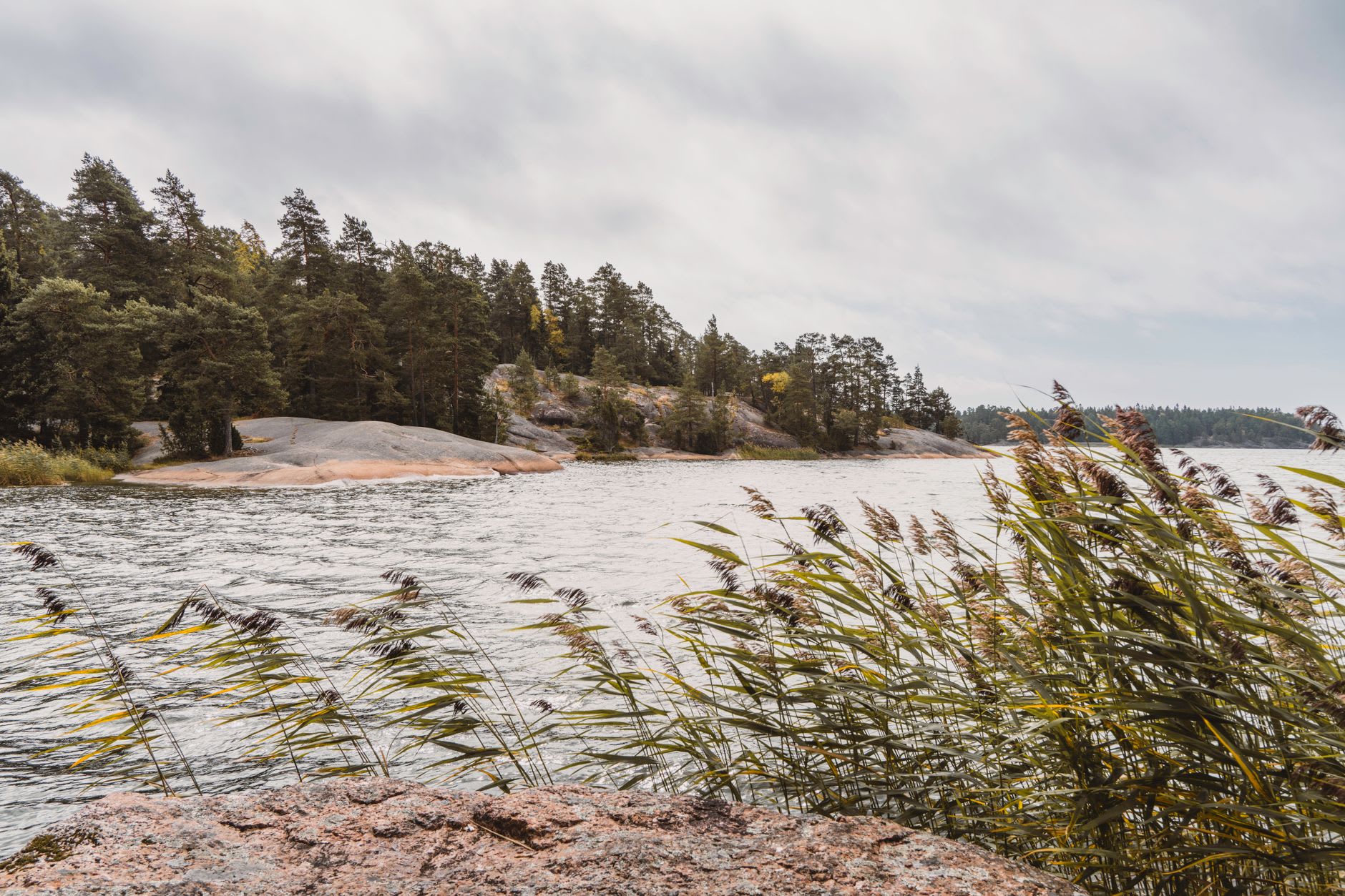
The Jan Karlsgården open-air museum sits adjacent to the castle, separated by a path through the trees. It is a collection of traditional Ålandic farm buildings — windmills, granaries, a forge, a schoolhouse — relocated from across the islands and reassembled here. The effect is not nostalgic so much as instructive: these are the buildings that shaped the archipelago’s working culture for three centuries, and seeing them together makes the logic of the old farming year suddenly clear. A woman in period dress was demonstrating wool spinning in the farmhouse when I visited, and the smell of the building — old wood, lanolin, the faint char of an old hearth — was so specific it felt like a memory of something I hadn’t experienced.
I ate lunch at the small café near the museum entrance: a plate of Ålandic pancake — pannkaka, thick and grainy with flour, served warm with jam and cream in the traditional manner. It is the archipelago’s most iconic food, more substantial than its name suggests, and I had been eating it at breakfast cafés since arriving. The version here had a slight edge of cardamom in it that I hadn’t found elsewhere. I asked the woman at the counter about it. She said it was her grandmother’s recipe. I had a second piece.
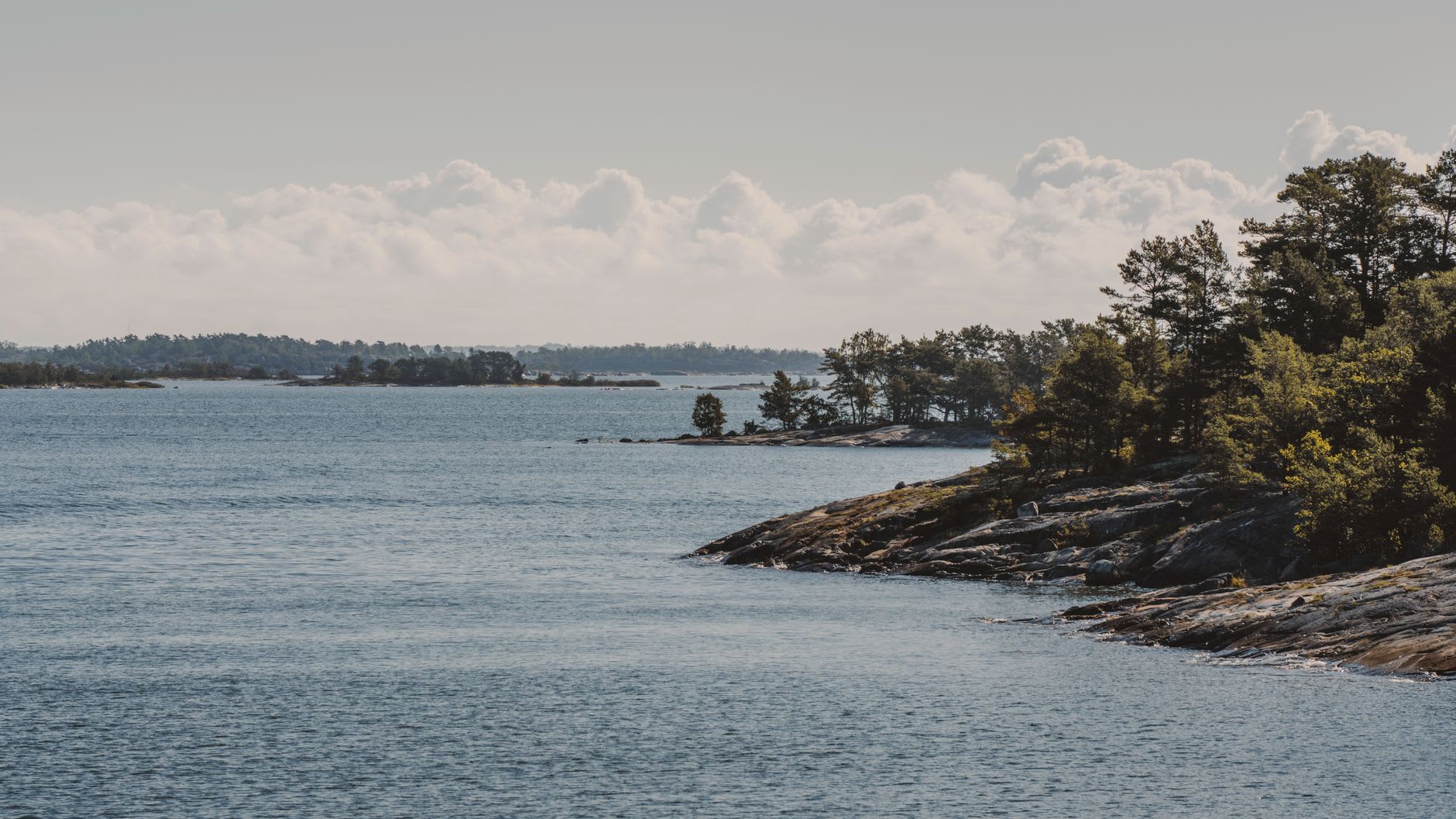
The area around Kastelholm has more walking paths than most of Åland’s main island, winding through the birch forest and along the water’s edge. In the late afternoon, when the tour buses have left and the light angles low through the birch trunks, the place becomes genuinely quiet and beautiful. The castle closes at five but the grounds stay open, and I spent an hour after closing just sitting on the rocks by the water, watching a pair of great crested grebes conduct their elaborate courtship ritual in the inlet below the castle walls.
When to go: Mid-June to mid-August for the full program — both the castle and the open-air museum are fully staffed, demonstrations run, and the café has proper hours. The castle’s reflection in the inlet is at its best in early morning calm in June and July. Late August brings the first hints of autumn color in the birch trees, which improves the photography considerably.