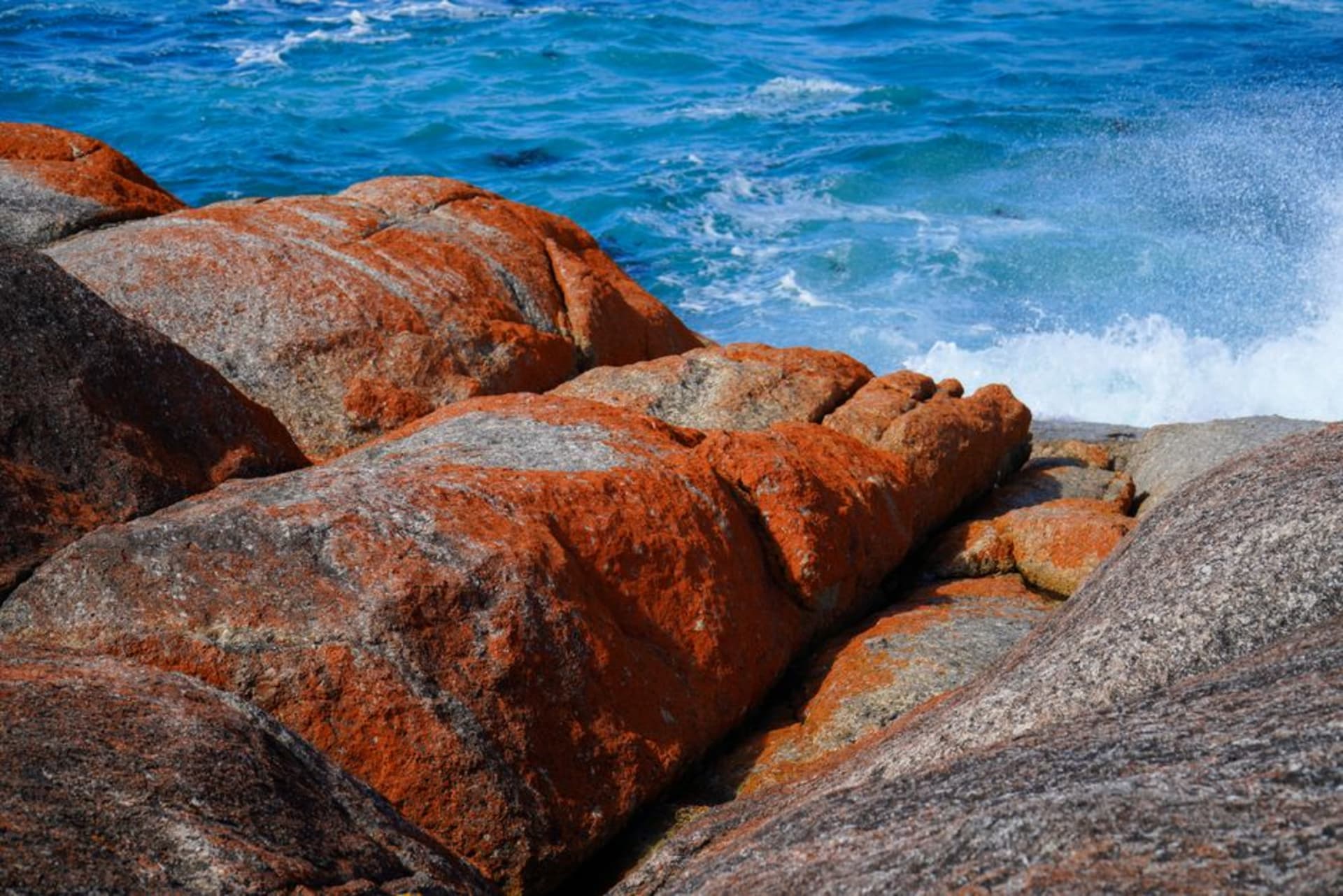
Wave Rock
"It looks like a wave caught mid-collapse. It's four kilometres from a town of six hundred people."
A fifteen-metre wall of granite curling over on itself like a frozen ocean swell, sitting improbably in the middle of Western Australia's wheatbelt.
I’ll admit Wave Rock wasn’t on my original itinerary. I was driving between Esperance and Perth, someone at a roadhouse mentioned it was only a small detour, and I have a weakness for things that sound geologically implausible, so I turned off toward Hyden, a wheatbelt town of a few hundred people about four hours east of Perth that exists almost entirely because of this one rock formation.
Wave Rock itself is a fifteen-metre-high, hundred-and-ten-metre-long section of the Hyden Rock granite outcrop, curved into an overhang so precisely wave-shaped that photographs of it genuinely look manipulated until you’re standing underneath it. The colour comes from mineral-rich water running down the face for millions of years, leaving vertical streaks of grey, red, orange, and black that mimic the striations you’d see in a breaking wave’s face. I stood at the base with my hand on the cool granite for longer than was strictly necessary, trying to work out how something this precise happens without anyone building it.
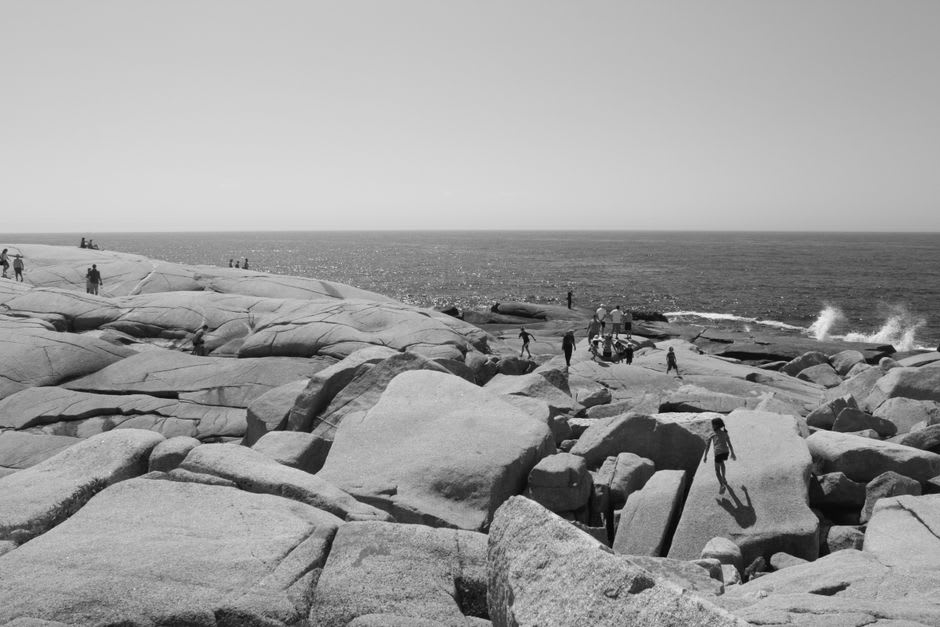
Climbing to the top of the outcrop takes ten minutes and gives you the wheatbelt view — flat gold country stretching out in every direction, punctuated by granite domes similar to Wave Rock scattered across the landscape, remnants of the same ancient bedrock poking through the farmland. Hippo’s Yawn, a smaller formation a short walk from the main site, does a convincing impression of an open hippo mouth, and the Wave Rock Wildlife Park nearby has a decent collection of Australian natives if you want to close the gap between “saw a kangaroo in a photo” and “saw a kangaroo.”
The Aboriginal significance of the site runs deep — the area has cultural meaning to the Noongar people that predates any tourist infrastructure by tens of thousands of years, and the visitor centre does a reasonable job contextualizing that alongside the geology, though I’d have liked more depth than it offered.
When to go: Spring (September–October) for wildflowers in the surrounding wheatbelt and comfortable driving temperatures. It’s a long detour regardless of season, so pair it with an Esperance-to-Perth or Perth-to-Esperance leg rather than a dedicated day trip.