Echuca
"In the 1870s, Echuca's wharf moved more cargo than any Australian port except Melbourne. The Murray did all the work."
The paddle-steamer capital of Australia, where the Murray River still carries wood-fired boats past a wharf that once handled more cargo than any port but Melbourne.
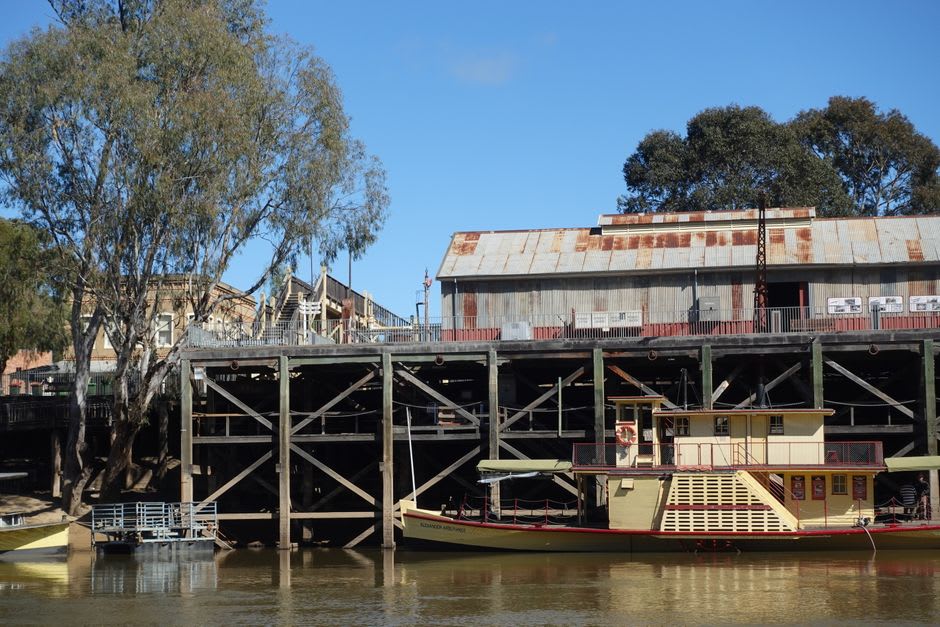
Echuca means “meeting of the waters” in the local Yorta Yorta language, and it sits right where the Campaspe and Goulburn rivers join the Murray, which made it the obvious spot for a river port in the 1850s wool boom. What surprised me was the scale of what survives: the original red-gum wharf, built on three levels to cope with the Murray’s dramatic seasonal rise and fall, is still standing, still working, and still the departure point for the paddle steamers that made Echuca famous.
I took a two-hour cruise on the PS Adelaide, the oldest wooden-hulled paddle steamer still operating in the world, its steam engine chuffing away below deck while red gums leaned out over the brown water on both banks. The captain pointed out snags in the river that had sunk boats a century ago and told stories about the wool-and-timber trade with the easy authority of someone who’d clearly told them ten thousand times and still meant every word.
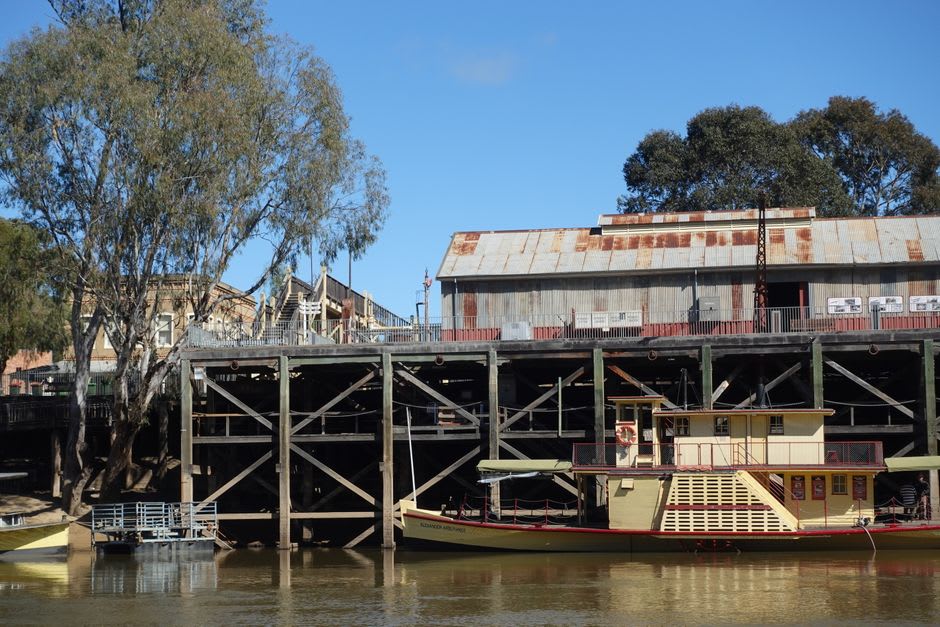
The wharf precinct itself is worth the better part of a day — a working blacksmith, an old cargo shed converted into a museum of river trade, and a genuine sense of a nineteenth-century inland port frozen mid-shift rather than sanitised into a museum piece. Across the river, technically in New South Wales, the twin town of Moama has its own strip of restaurants and wineries, and crossing the bridge between the two states takes about ninety seconds on foot.
When to go: Autumn (March–May) for mild days and low river mist on the water at dawn. Summer gets properly hot here — inland Victoria, not coastal — so bring shade and water if you visit December through February.
Keep exploring
More from Victoria
 victoria-australia
 Grampians
A sandstone mountain range rising from the western plains like a rumpled tablecloth, full of Aboriginal rock art, improbable wildflowers, and views that go all the way to the edge of everything.
Explore victoria-australia
 Great Ocean Road
Two hundred and forty kilometres of coastal road carved by hand into Southern Ocean cliffs, where the wind never fully stops and the limestone stacks are slowly returning to sea.
Explore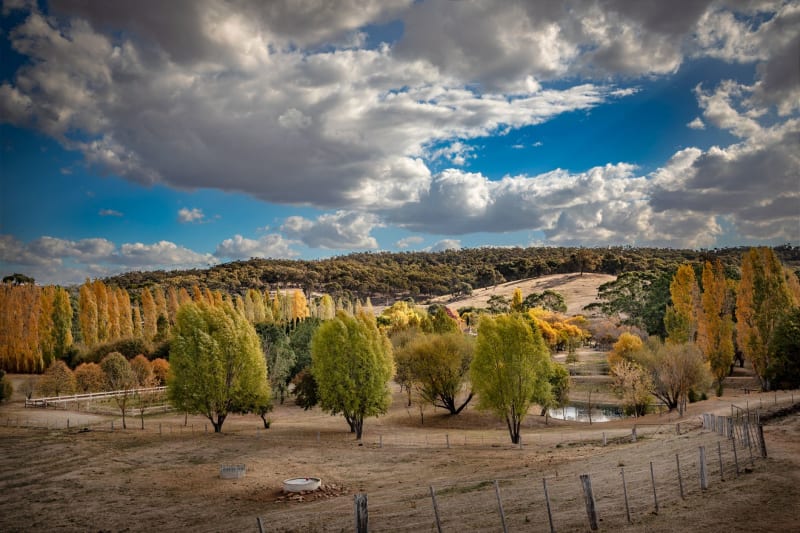 victoria-australia
 High Country
Victoria's alpine northeast, where the Great Dividing Range finally gets serious and the tablelands hold cattle stations, ski fields, and river valleys that feel three hundred kilometres further from the city than they actually are.
Explore victoria-australia
 Melbourne
A city that runs on espresso and argument, where every laneway hides something worth finding and nobody agrees on which café is actually the best.
Explore victoria-australia
 Mornington Peninsula
A narrow finger of land between Port Phillip Bay and the open ocean, where half of Melbourne spends its summers and the wine is better than the reputation suggests.
Explore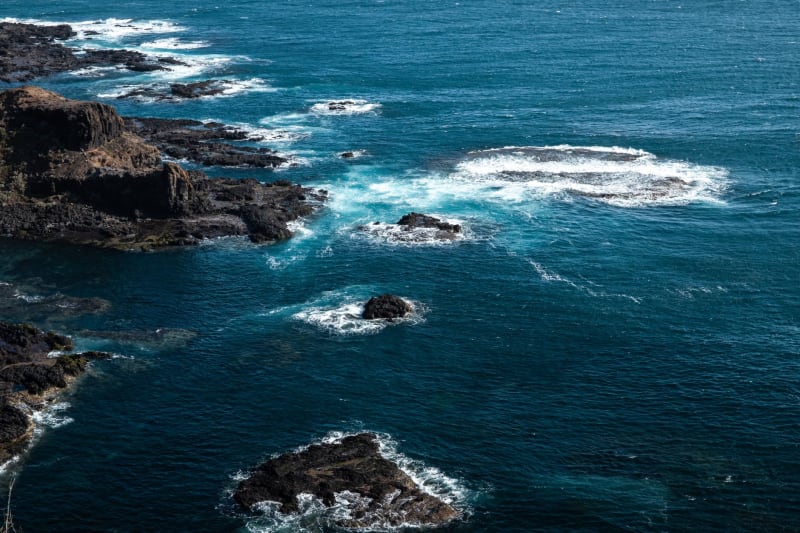 victoria-australia
 Phillip Island
A flat island of wind-battered coast and fur seal colonies at the entrance to Western Port Bay, famous for the nightly spectacle of little penguins marching home from the sea in the dark.
Explore