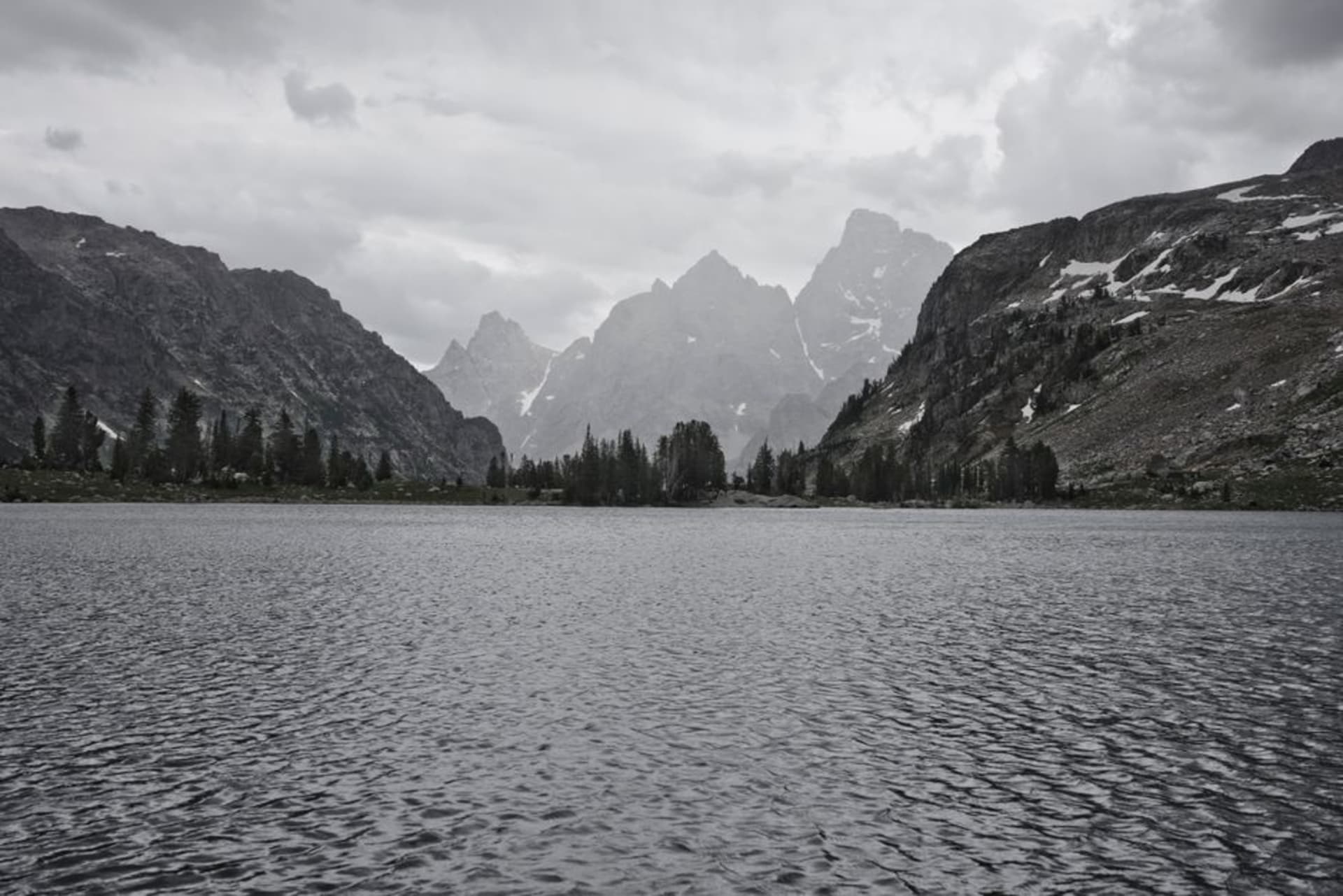
There is no gentle warning with the Tetons. One moment you're crossing flat Wyoming sagebrush, the next a wall of grey granite stands straight up in front of you, seven thousand feet of it, with no foothills to soften the blow.
I have looked at a lot of mountains, and the Tetons cheated. Most ranges ease you in with foothills, with ridges that build toward the peak so your eye has time to adjust. The Tetons do no such thing. We drove up from Jackson at dawn and there they simply were, rising off the valley floor like something drawn by a child who didn’t know mountains were supposed to have a base. Lia actually said “that’s not fair” out loud, and it isn’t. The range is young and sharp and it stands there being impossible while elk graze the flats below as if nothing unusual is happening above their heads.
The mirror at Jenny Lake
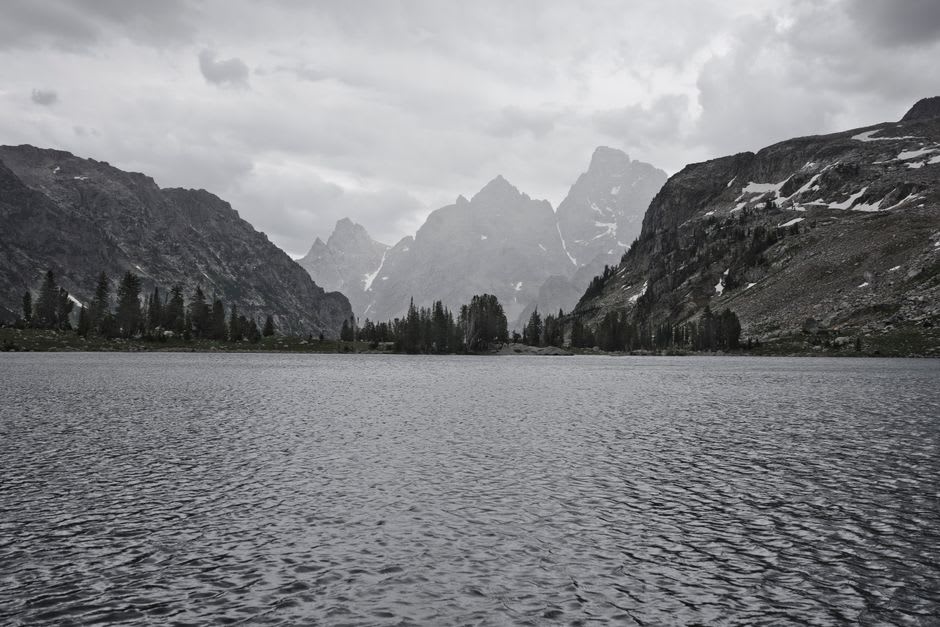
We spent most of a day at Jenny Lake, which sits right at the foot of the tallest peaks and, on a windless morning, turns into a flawless mirror of them. We took the little shuttle boat across to the west shore and hiked up to Hidden Falls and Inspiration Point, sweating happily among the pines while chipmunks did their small crimes around our feet. From the point the whole valley opened below us — the lake, the sagebrush, the Snake River glinting far off. Coming back down we found the water gone glassy, Teewinot and the Grand doubled perfectly in it, and we just sat on the shore not talking for a long while. Some views embarrass conversation.
Mormon Row and the old barns
Not everything here is granite. Down on the flats there’s a row of weathered homestead barns — Mormon Row — left over from settlers who tried to farm this cold, beautiful, unforgiving valley over a century ago. The most famous, the Moulton barn, has been photographed a million times with the Grand behind it, and I understand why the moment you stand there: the little grey barn, human-scaled and tired, against that vast indifferent range. Lia loved it more than the lakes. She said the mountains were showing off but the barn was telling the truth. We watched a pronghorn pick its way through the grass between the old fences and I thought about how hard a winter must have been out here.
The Snake River bend
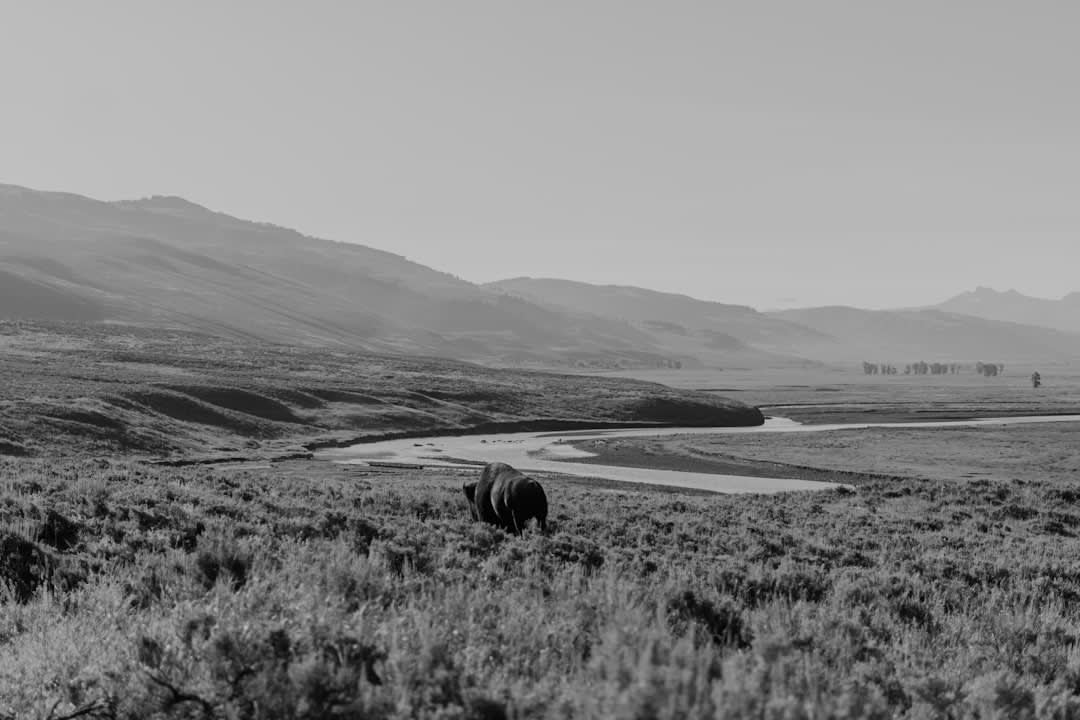
On our last evening we drove to the overlook where Ansel Adams made his famous photograph of the Snake River curling through the trees below the peaks. The river has shifted and the pines have grown, so the exact shot is gone, but the feeling is entirely intact. We got there for the golden hour and watched the light climb the range from bottom to top, the granite going from grey to honey to a burning pink at the very summit while the valley below fell into blue shadow. A moose crashed through the willows down by the water and we both jumped. Then it was over, the pink drained off the peaks, and we drove back to Jackson mostly in silence, full.
Getting There
The gateway is Jackson, Wyoming, and mercifully it has its own airport — the only commercial airport inside a US national park — so you can fly right into the valley with the range out the window. Rent a car regardless; the park sprawls and there’s no useful transit. Jackson town, with its famous antler arches on the square, makes the obvious base, though there’s lodging inside the park too at Jenny Lake and Colter Bay. The park connects north to Yellowstone by road, so many people pair the two. Summer is glorious and crowded; come in September for golden aspens, thinner crowds, and rutting elk, but pack for cold mornings whatever the month.
Keep exploring
More of Wyoming