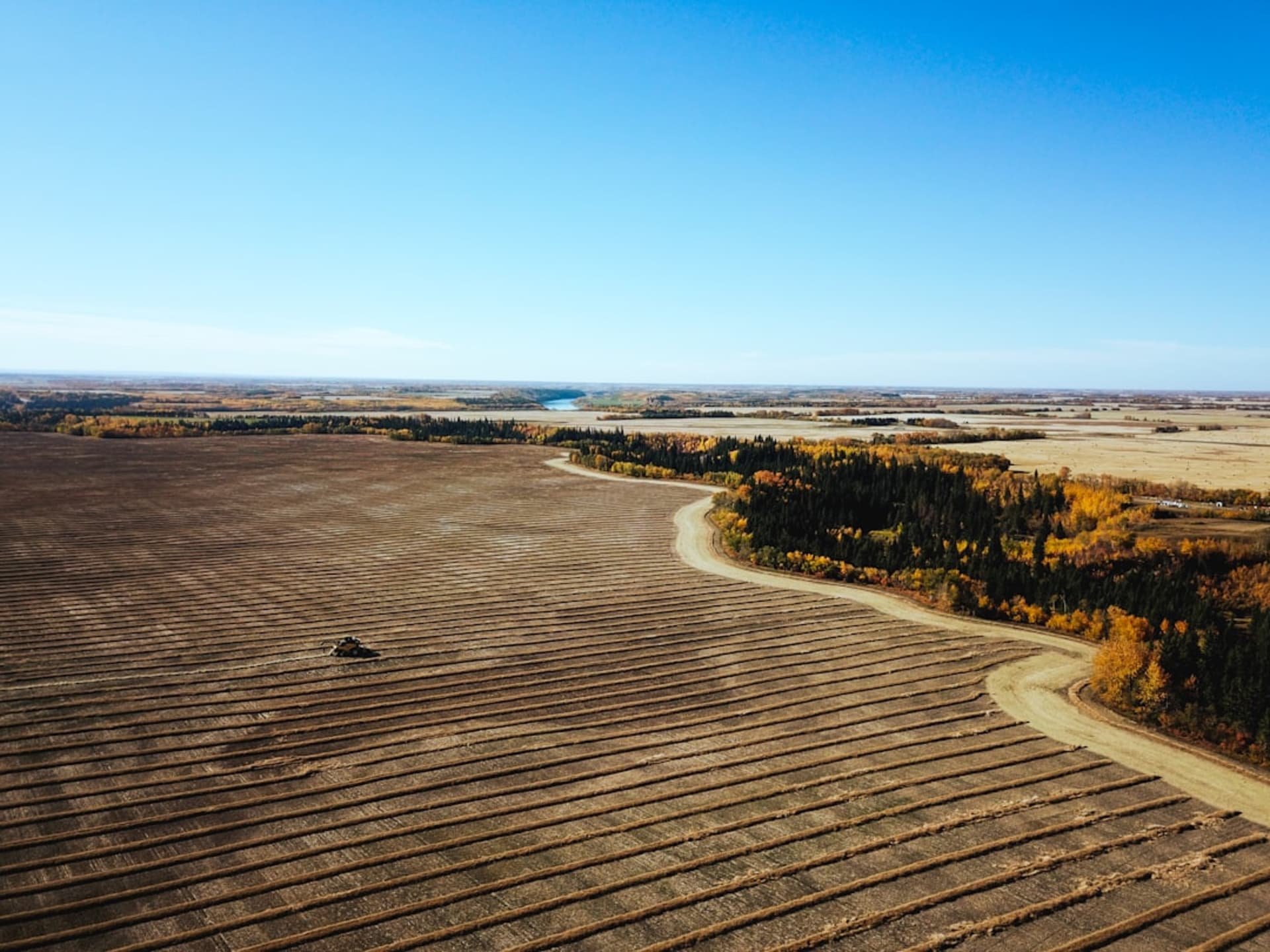
A wine town in southeastern Washington set among rolling wheat fields that go gold in summer and green in spring. The name is so good they said it twice, and the valley is all soft hills, tasting rooms, and sweet onions. It's unhurried in a way that surprised us both.
The name got us before the place did. Walla Walla, said twice like a promise, and Lia repeated it the whole drive in from the highway until it stopped sounding like words and became a kind of music. Then the fields opened up, mile after mile of wheat rolling over low hills like a rumpled gold blanket, combines cutting slow lines through it in the heat. As a Frenchman I came expecting to be quietly condescending about American wine. I left having eaten those words with a very good glass of the local red. The valley disarmed me completely.
The vineyards in the wheat
There are dozens of tasting rooms scattered through the valley, some in grand new barns and some in old airplane hangars out at the edge of town, and we spent a lazy afternoon moving between three of them with no schedule at all. The Blue Mountains sat hazy on the horizon, vines marching in tidy rows toward them. At one small family winery the owner poured us a Syrah, told us about the volcanic soil and the long warm days, and asked about France as if we might trade secrets. We did, a little. Lia bought two bottles. We drank one that night on the porch of our room, watching the light go long and amber over the wheat.
Main Street and sweet onions
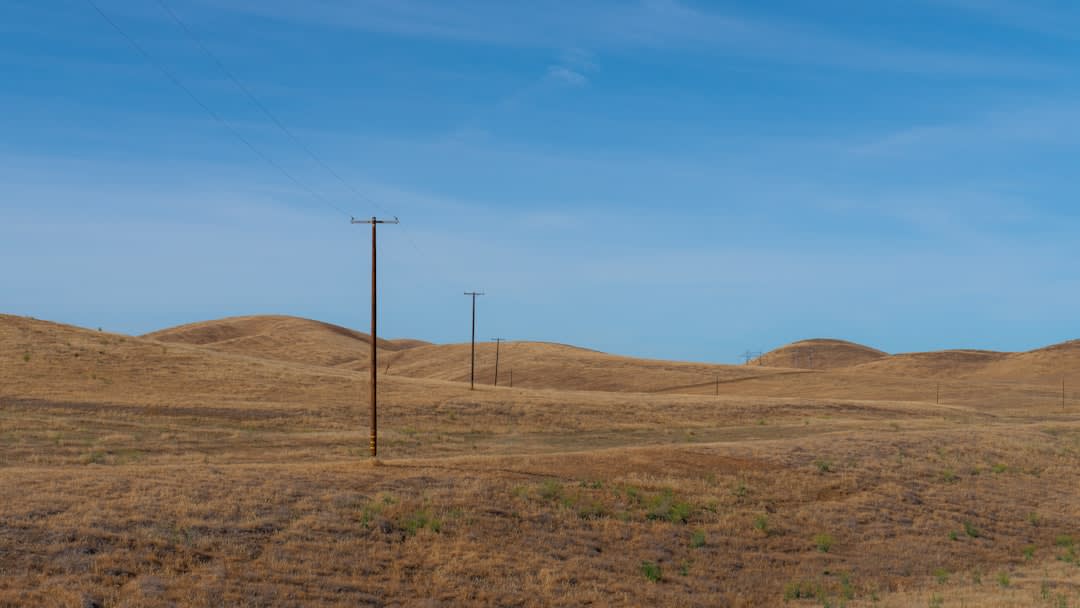
Downtown Walla Walla is a handsome stretch of brick and old awnings along Main Street, restored with care, full of bakeries and bookshops and the good kind of hardware store. The whole region is mad about its sweet onions, so mild the locals claim you can eat them like apples, and I watched a farmer at the market do exactly that to prove the point. I could not bring myself to try. But we ate them grilled that evening, jammy and sweet, alongside a steak, and I understood the pride. Lia said the town felt like it had nothing to prove, and she was right. It just went about being lovely.
Fort Walla Walla and the older story
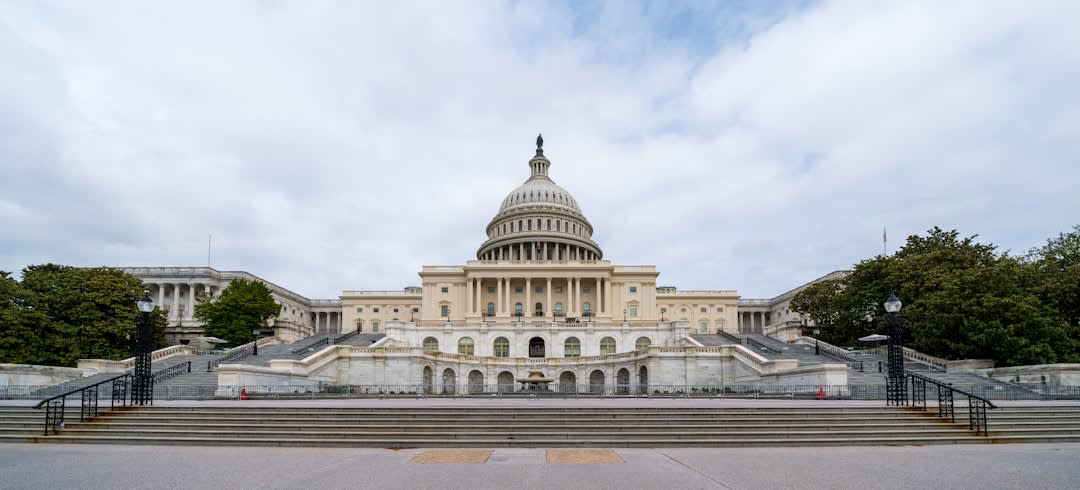
On our last morning we walked the grounds of Fort Walla Walla Museum, a cluster of pioneer buildings and a great mule-team wheat combine that once needed thirty-three animals to pull it. It’s a homespun place, but it told the valley’s harder story, the settlers and the soldiers, and just west of town the quiet Whitman Mission site marks where that history turned tragic in 1847. We stood there a while in the wind coming off the fields. It sobered the wine glow a little, in a good way. Lia said every beautiful valley has a heavier past underneath, and this one wore its lightly but hadn’t buried it.
Getting There
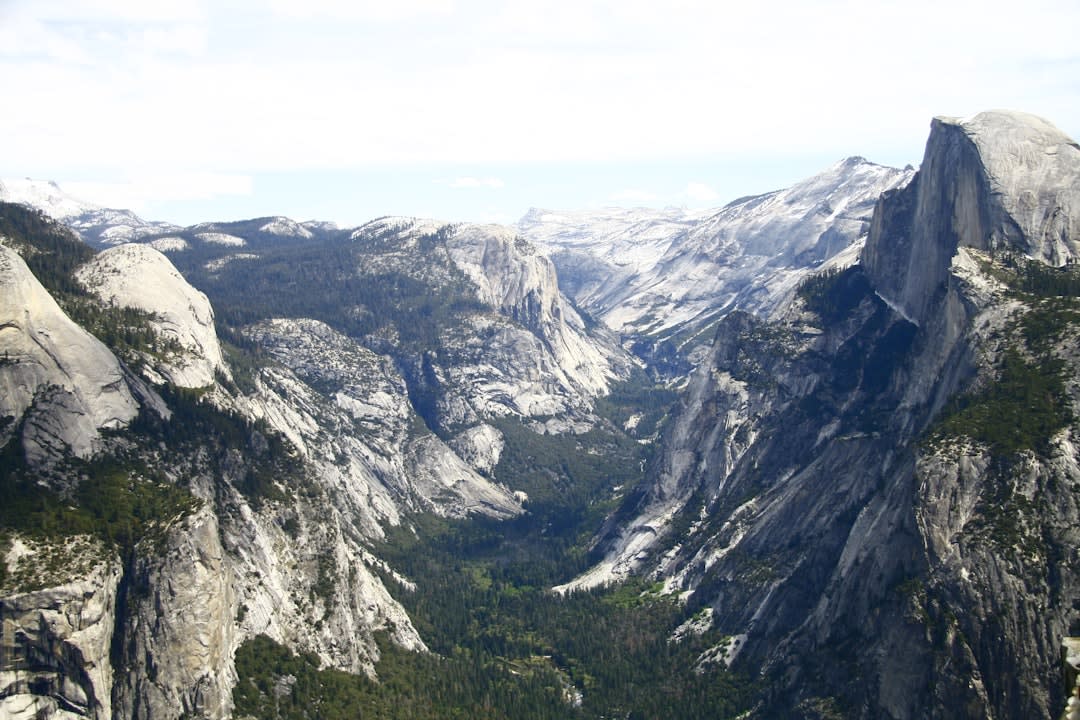
Walla Walla is tucked into the far southeast corner of Washington, about four hours by car from both Seattle and Portland, the last leg rolling through open wheat country that’s a pleasure in itself. There’s a small regional airport with limited flights, but most people drive, and I’d recommend it for the approach across the Palouse-like hills. The town centre is compact and walkable, but you’ll want a car, and a designated driver, to reach the vineyards spread through the valley. Come in late summer for the golden wheat and the harvest, or in spring when the same hills turn an impossible green.
Keep exploring
More of Washington