
Sedona
"The rocks here change color with the light, and somehow you change with them."
Sedona’s red rocks stop you in your tracks. Cathedral Rock, Bell Rock, and the towering walls of Oak Creek Canyon glow in shades of crimson, rust, and amber that shift with every passing hour. The landscape feels ancient and almost sacred — which is why the town has become a center for spiritual seekers, energy vortexes, and wellness retreats alongside its world-class hiking.
I arrived in Sedona skeptical. The vortex talk, the crystal shops, the spiritual tourism — as a Frenchman raised on Cartesian rationalism, I was prepared to be amused. Then I drove into the valley at sunset and the rocks turned the color of arterial blood against a sky so blue it looked artificial, and something in my Cartesian certainty wavered. I am not saying the vortexes are real. I am saying that when a landscape is this overwhelming, the impulse to assign it spiritual significance feels less like superstition and more like an honest response to beauty that exceeds your categories.
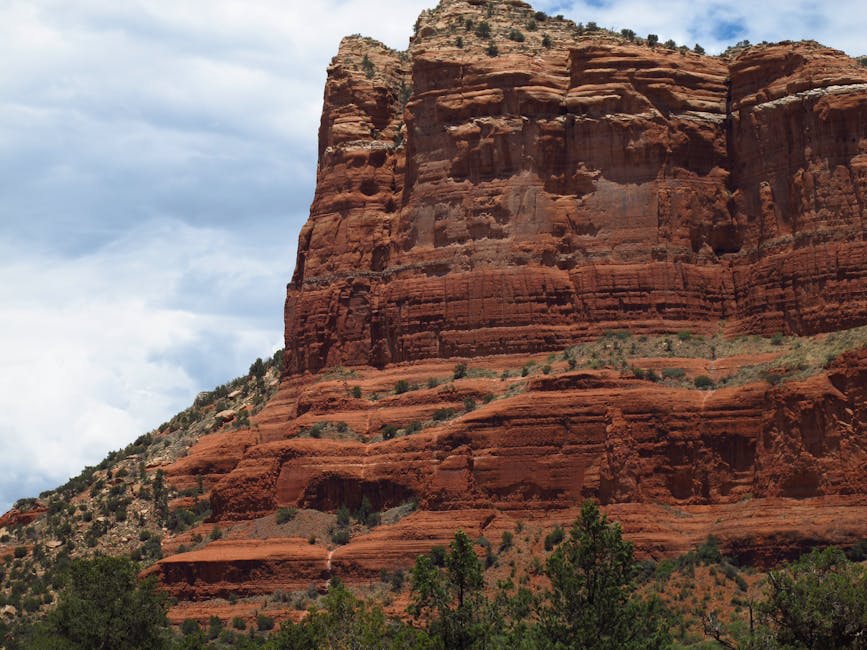
The trails here are spectacular. Devil’s Bridge leads to a natural stone arch with panoramic views — you walk across it and the red rock desert extends in every direction to the horizon. The West Fork of Oak Creek winds through a narrow canyon of red walls and, in autumn, color that rivals anything I have seen in New England or the forests of Alsace. The hike requires twenty-five creek crossings — in October, the water is cold and clear and the sycamores overhead are yellow and orange and the light filtering through the canyon walls is the color of warm honey. I took no photos because none of them would have been true.
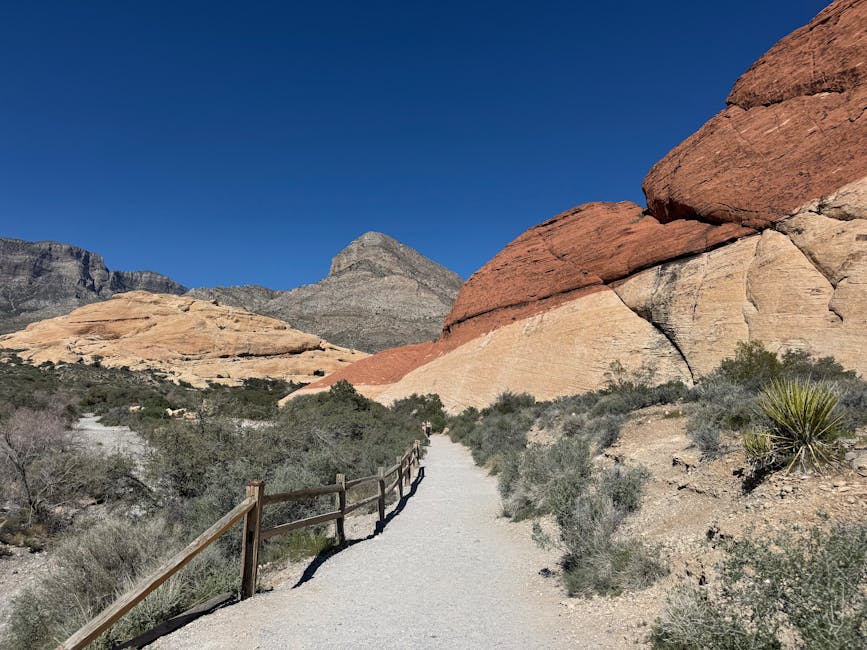
Beyond the hikes, Sedona offers excellent galleries — the Tlaquepaque Arts Village is a collection of studios and shops built in a faux-Mexican plaza that, despite its tourist orientation, houses genuinely good Southwestern art. The restaurants have improved dramatically in recent years, with local chefs working mesquite-grilled meats and indigenous ingredients into menus that feel rooted rather than imported. At night, the lack of light pollution turns the sky into a spectacle that makes the red rocks feel like they are floating in space.
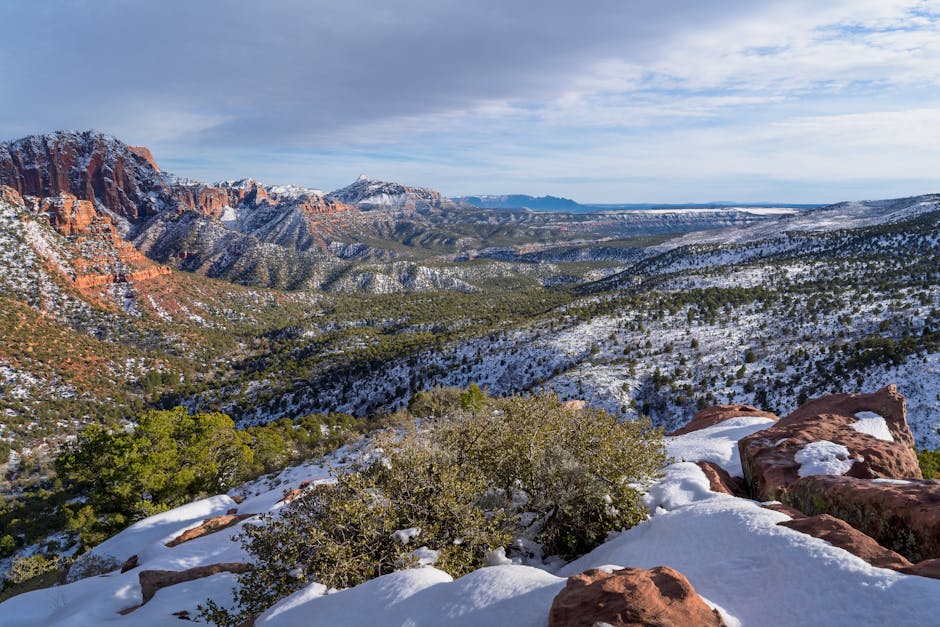
When to go: March through May and September through November. Summer brings afternoon thunderstorms and heat; winter is mild with occasional snow on the red rocks.