
New Orleans
"New Orleans does not follow the rules, and that is exactly why it works."
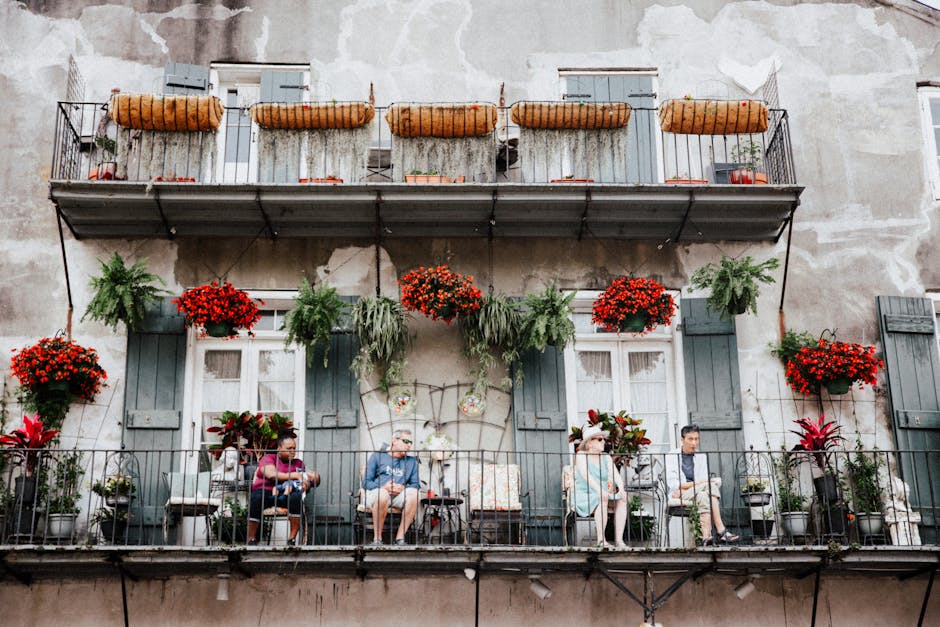
New Orleans is unlike anywhere else in America. The French Quarter wrought-iron balconies drip with ferns and history, while jazz pours out of every open door on Frenchmen Street. The food alone justifies the trip — beignets dusted in powdered sugar at Cafe Du Monde, po-boys stuffed to bursting, and gumbo that varies from kitchen to kitchen like a family argument that never gets resolved.
As a Frenchman, New Orleans is the most confusing city in America. It carries my country’s name in its bones — the French Quarter, the Creole architecture, the street names that sound like they were borrowed from a Paris arrondissement. But it is not French. It is something France could never have produced: a city where French, Spanish, African, Caribbean, and American influences collided for three centuries and created something entirely new. The wrought-iron balconies look like they belong in the Marais, but the music pouring out from behind them belongs to no European tradition I know.
The food culture here operates on a level that demands respect. Gumbo is not a recipe — it is a philosophy, and every family’s version is the correct one. I ate crawfish étouffée at a place on Magazine Street where the roux was darker than coffee and the shrimp were pulled from the Gulf that morning. I had po-boys — the soft French bread, the fried oysters, the hot sauce — and understood that this city has developed a bread culture that, and this is difficult for me to admit, rivals certain French traditions. The beignets at Cafe Du Monde at midnight, covered in powdered sugar, eaten standing up because there are no seats — this is street food elevated to communion.
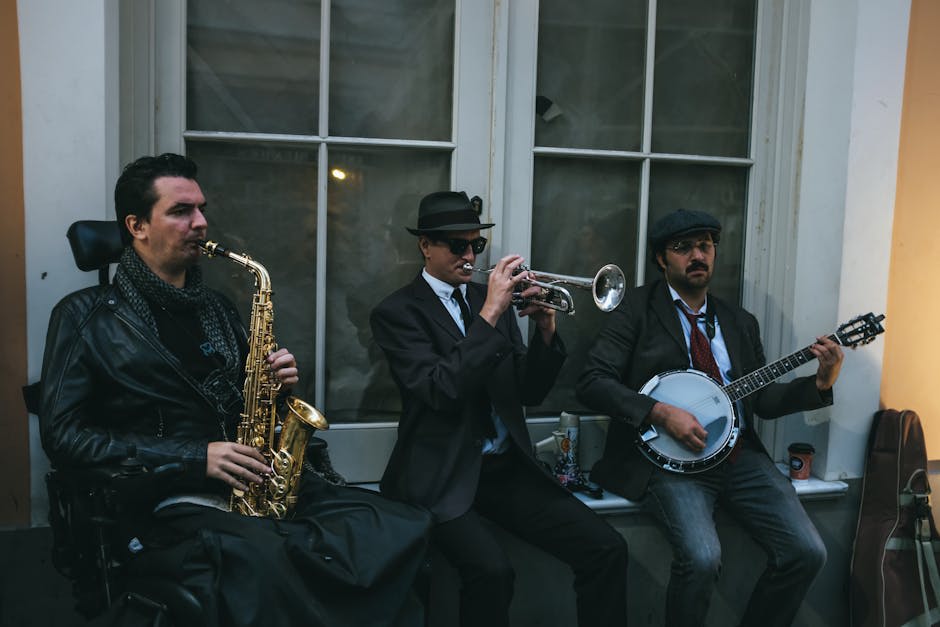
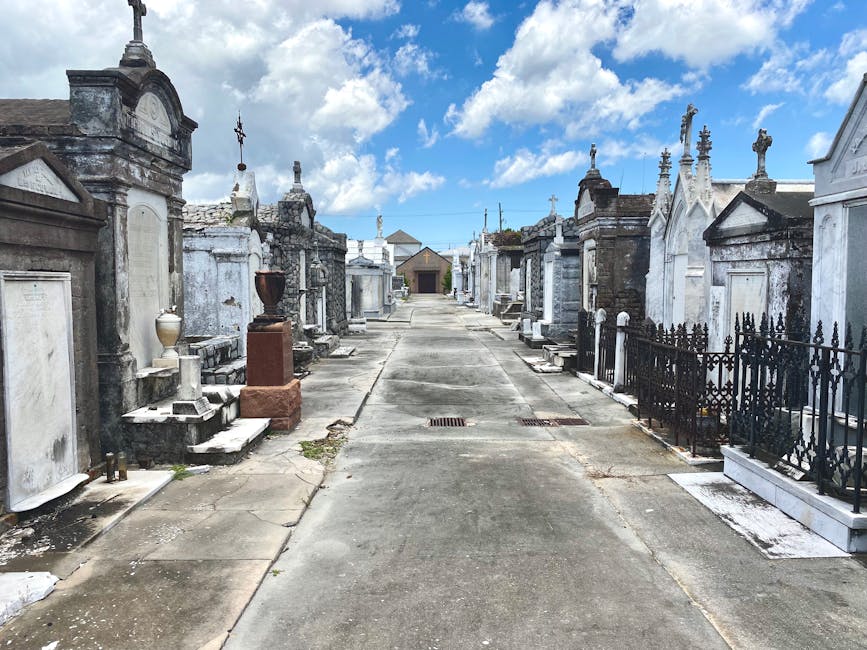
Beyond Bourbon Street lies a city of profound depth. The Garden District oak-lined avenues shelter antebellum mansions. The Treme, the oldest African American neighborhood in America, pulses with brass band traditions that are not performance but life itself — second-line parades that erupt spontaneously, funerals that turn into celebrations, music that is prayer and protest and party simultaneously. Take a streetcar down St. Charles Avenue, visit the above-ground cemeteries where the dead are entombed in miniature marble houses, and let the city rhythm — unhurried, improvisational, deeply alive — set your pace.
When to go: February through May, peaking with Mardi Gras and Jazz Fest. Summer is brutally hot and humid; fall brings relief and smaller crowds.