Tampa
"In Ybor City the roosters still cross the street like they own it, and honestly, they might."
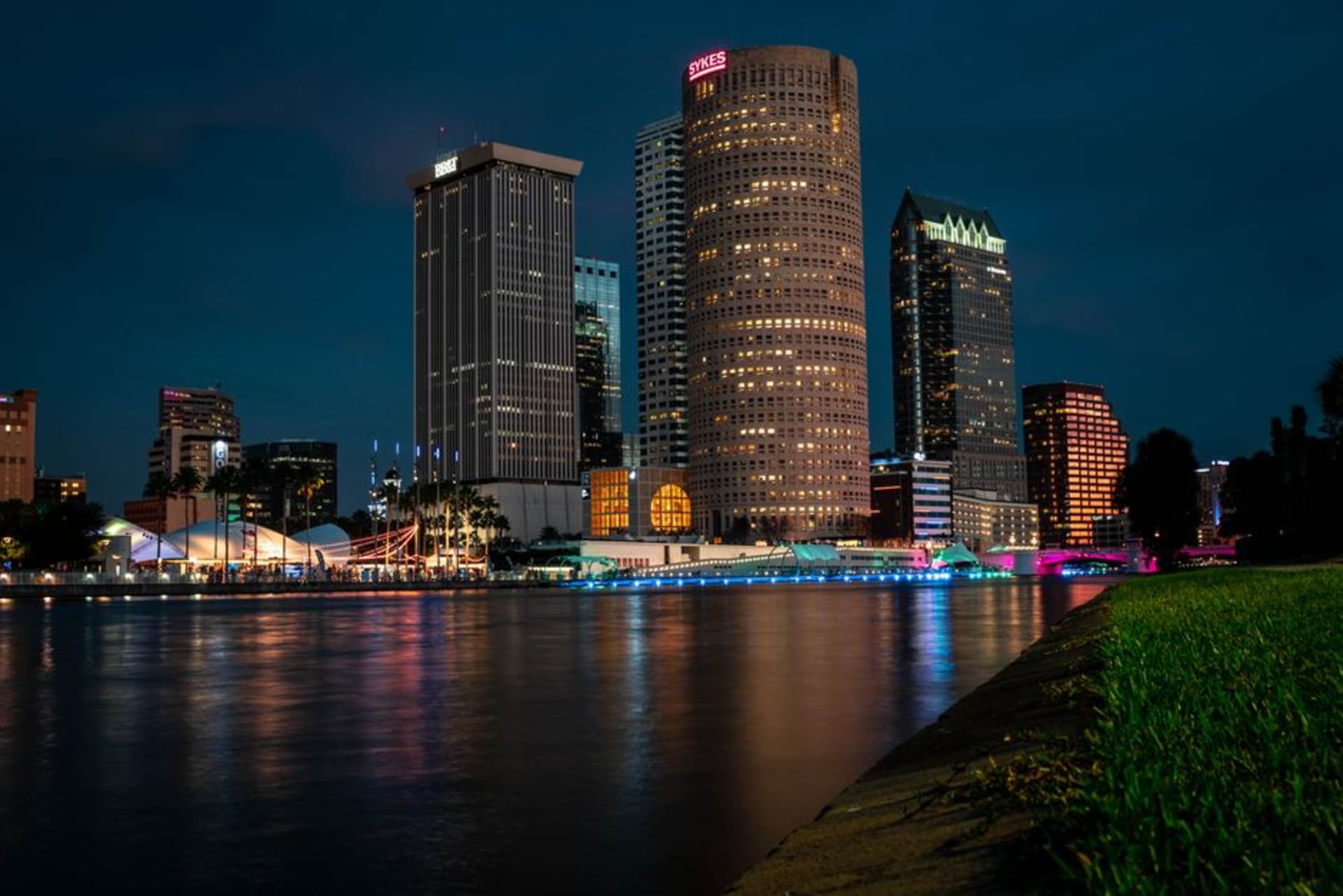
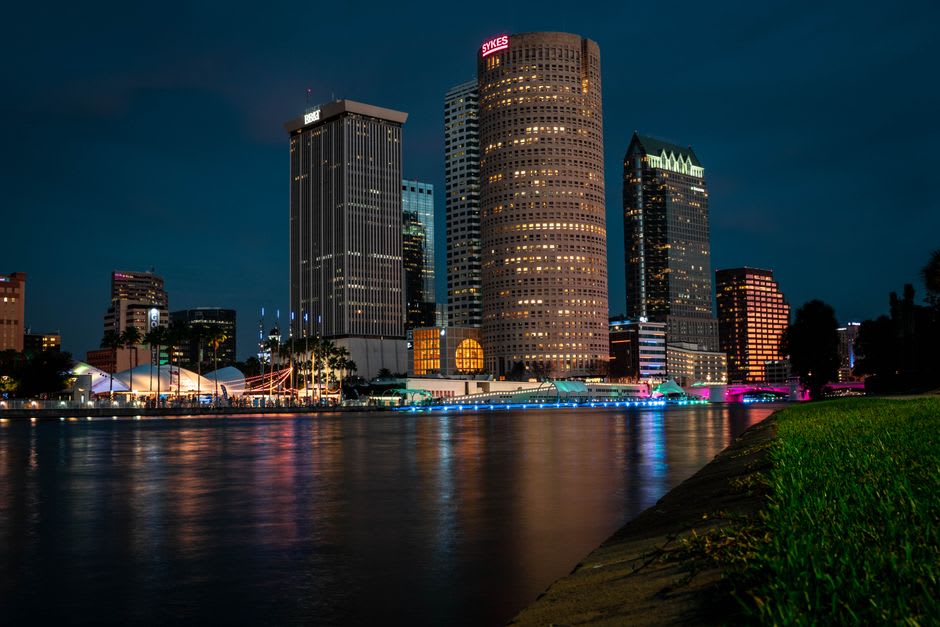
We came to Tampa expecting a beach town and found something far more interesting — a city with a Cuban and Spanish heart, hand-rolled cigars in its history, and a subtropical warmth that reaches you the moment you step off the plane. Lia and I began where you should begin, on the Tampa Riverwalk, a wide paved promenade that runs for miles along the Hillsborough River through the middle of downtown. The water was flat and bright, kayakers threading beneath the bridges, and manatees — genuine, improbable manatees — surfacing near the outfalls where the water runs warm. We walked the whole length in the golden evening light, past parks and museums and cafés, and by the end I had already revised every assumption I had arrived with.
Ybor City and the cigar streets
The next day we spent entirely in Ybor City, and it stole my heart. This was once the cigar capital of the world, a neighbourhood built by Cuban, Spanish, and Italian immigrants around vast brick factories where workers rolled tobacco while a “lector” read novels and newspapers aloud from a platform. Today the brick streets, wrought-iron balconies, and social clubs remain, along with the descendants of the factory chickens — bright wild roosters that strut across the roads and crow from the rooftops, an official protected part of the neighbourhood. Lia and I watched an old man hand-roll cigars in a shop window with hypnotic speed, drank tiny cups of intense Cuban coffee, and ate the definitive Cuban sandwich, a Tampa invention layered with ham, roast pork, salami, and pickle, pressed until the bread cracks.
The bay and the Gulf light
Tampa lives on its water, and we gave a full day to the bay. We drove out onto the long causeways that stitch the city to its barrier islands, the shallow water turning that particular Gulf shade of pale jade, and walked out onto Ballast Point Pier as pelicans dive-bombed the shallows around us. The Bayshore Boulevard promenade — said to be the longest continuous sidewalk in the world — runs for miles along the water past grand old houses, and we joined the joggers and cyclists as dolphins rolled offshore. What I love about the Gulf coast is the softness of the light, hazier and warmer than the Atlantic, and the sunsets that turn the whole bay pink and copper. Lia and I watched one from the seawall, feet dangling toward the water, in no hurry to be anywhere.
Museums, gardens, and a Moorish palace
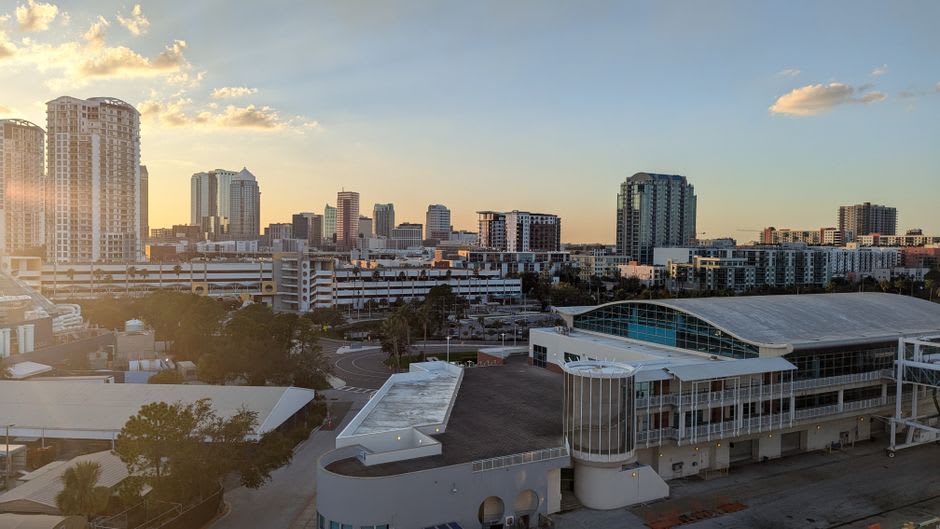
Across the river, the University of Tampa announces itself with something you do not expect in Florida — the silver minarets of Plant Hall, a Moorish-Revival former grand hotel from the 1890s, its onion domes and crescent finials glinting above the palms. We toured its museum and wandered the riverside campus, then crossed back to the Tampa Museum of Art and the lush Water Works Park. In the evening we made the short trip out to the vast botanical gardens and, on Lia’s insistence, the famous aquarium on the waterfront. Tampa, we decided, rewards curiosity — it is not one thing but a layering of them, Cuban and Spanish and Southern and coastal all at once, and far more soulful than its theme-park neighbour to the east.

Getting There
Tampa International Airport sits just west of downtown and is one of the easiest airports in the country to use, a short and cheap ride from the city centre. Tampa is also the western anchor of Florida’s Interstate 4, roughly an hour from Orlando and a couple of hours from the Gulf beaches to the south, so most visitors arrive and get around by car. Downtown, the riverfront, and Ybor City are linked by the free TECO streetcar, a restored heritage line that makes hopping between neighbourhoods effortless, and the Riverwalk itself is best on foot or by rented bike. We used the streetcar daily and only reached for the car when the bay and its islands called.