St Augustine
"The oldest city in the country, and it still smells of salt and orange blossom."
We arrived in the late afternoon, when the light in Florida turns everything the color of honey, and I made the mistake of telling Lia this was “just a quick stop before the Keys.” Three hours later we were still walking St. George Street with paper cups of fresh orange juice, and she reminded me — not unkindly — that I always say that. The truth is I hadn’t expected the place to feel so old. As a Frenchman I am spoiled with old stones, but there is something disarming about finding 1565 written into a wall in Florida, a state I had filed away in my head as pure invention, all theme parks and swamp.
The Castillo and its coquina
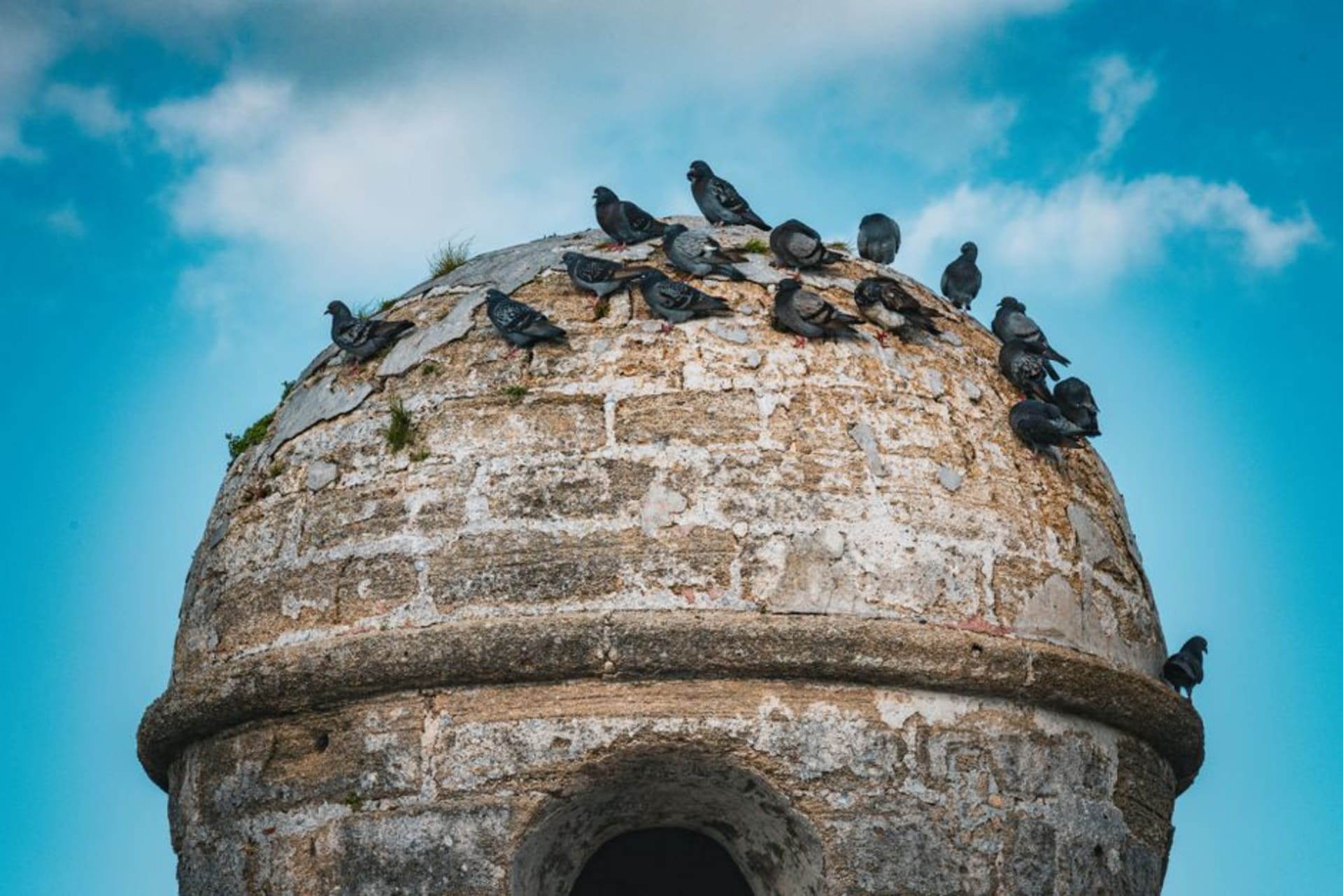
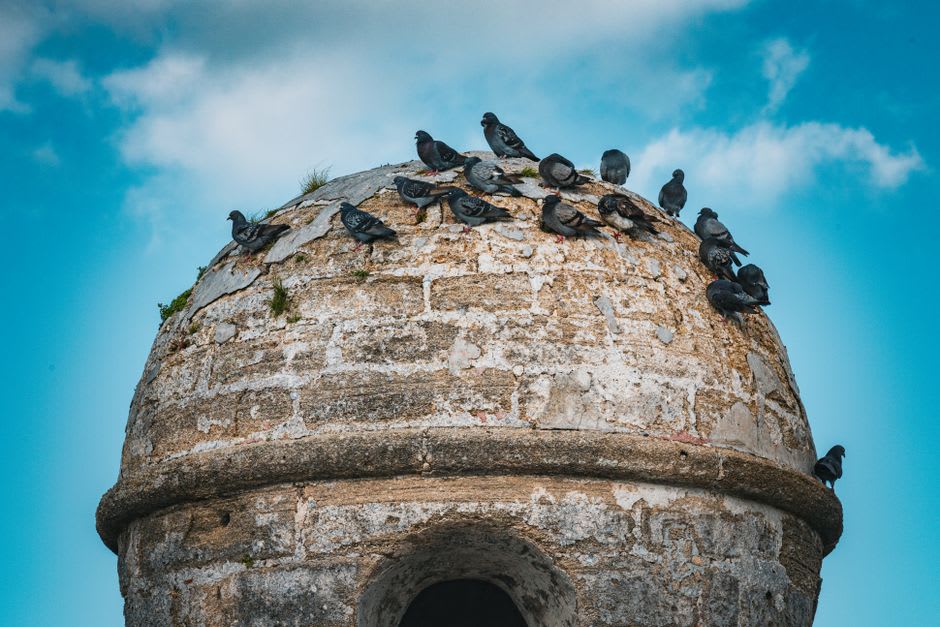
The Castillo de San Marcos sits at the water’s edge like something dreamed up rather than built, its walls made of coquina — a soft stone of compressed seashells that, famously, absorbed cannonballs instead of shattering. Lia ran her hand along it and said it felt like petrified sponge, which is exactly right. We climbed to the gun deck at the quietest hour, near closing, and watched a shrimp boat work the inlet. A ranger told us the Spanish never lost this fort in battle; it changed hands only by treaty, passed between empires like a deed. Standing up there with the Matanzas River going gold beneath us, I understood why they held on.
Getting lost in the old town
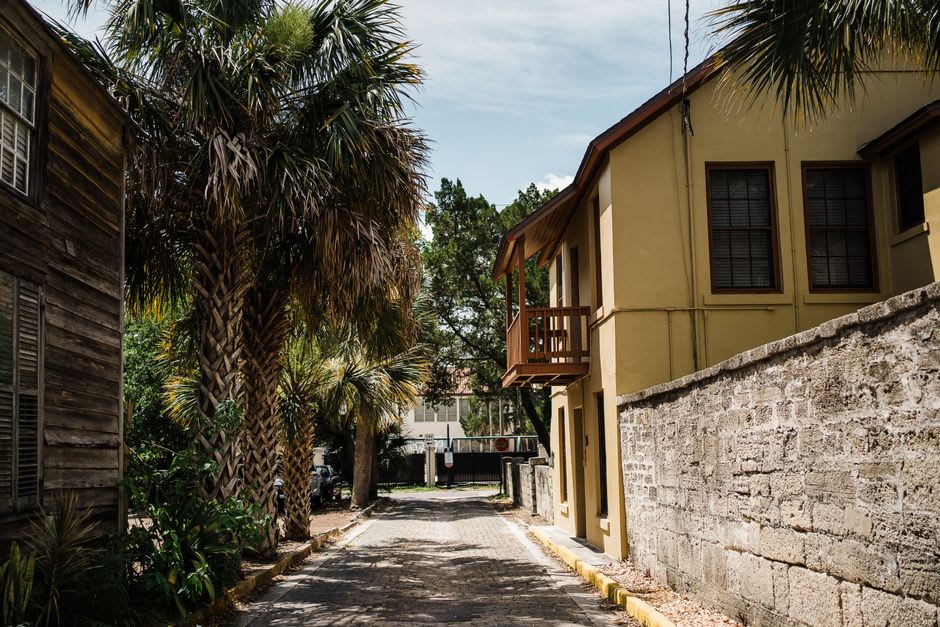
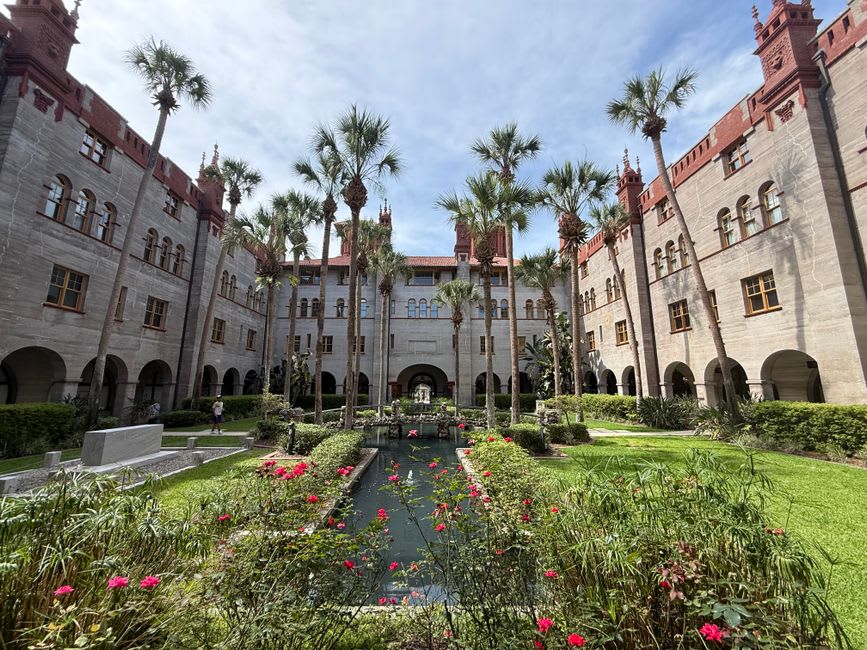
The next morning we skipped the map on purpose. St. George Street is the postcard — pretty, crowded, full of fudge and leather sandals — but the real city hides one block off it, in Aviles Street, the oldest in the nation, where the houses lean and the courtyards drip with jasmine. We found the Cathedral Basilica with its Spanish bell tower, and then Flagler College, which was a Gilded-Age hotel Henry Flagler built when he decided Florida should be glamorous. Its lobby is all Tiffany glass and carved oak; a student gave us an impromptu tour and Lia decided, on the spot, that she’d been born in the wrong century.
Lighthouse and the marsh at dusk
On our last evening we drove out to Anastasia Island and climbed the 219 steps of the black-and-white St. Augustine Lighthouse, both of us wheezing and laughing by the top. The whole coast lays itself out from up there — the barrier islands, the tidal marsh, the old town’s red roofs across the water. We stayed for the light to soften and watched the marsh grass turn from green to bronze, herons stalking the shallows. There was no spectacle to it, no fireworks. Just a very old city breathing out at the end of a hot day, and the two of us not saying much, which is usually how we know a place has got under our skin.
Getting There
St. Augustine sits on Florida’s northeast coast, about 45 minutes south of Jacksonville and its international airport, which is the easiest gateway. Orlando is roughly two hours by car if you’re pairing it with the theme parks. There’s no passenger train into town, so you’ll want to drive — parking is easiest at the Historic Downtown Parking Facility, from which the entire old town is walkable. Give yourself two nights at least; the day-trippers thin out by evening, and that’s when the city is at its best.