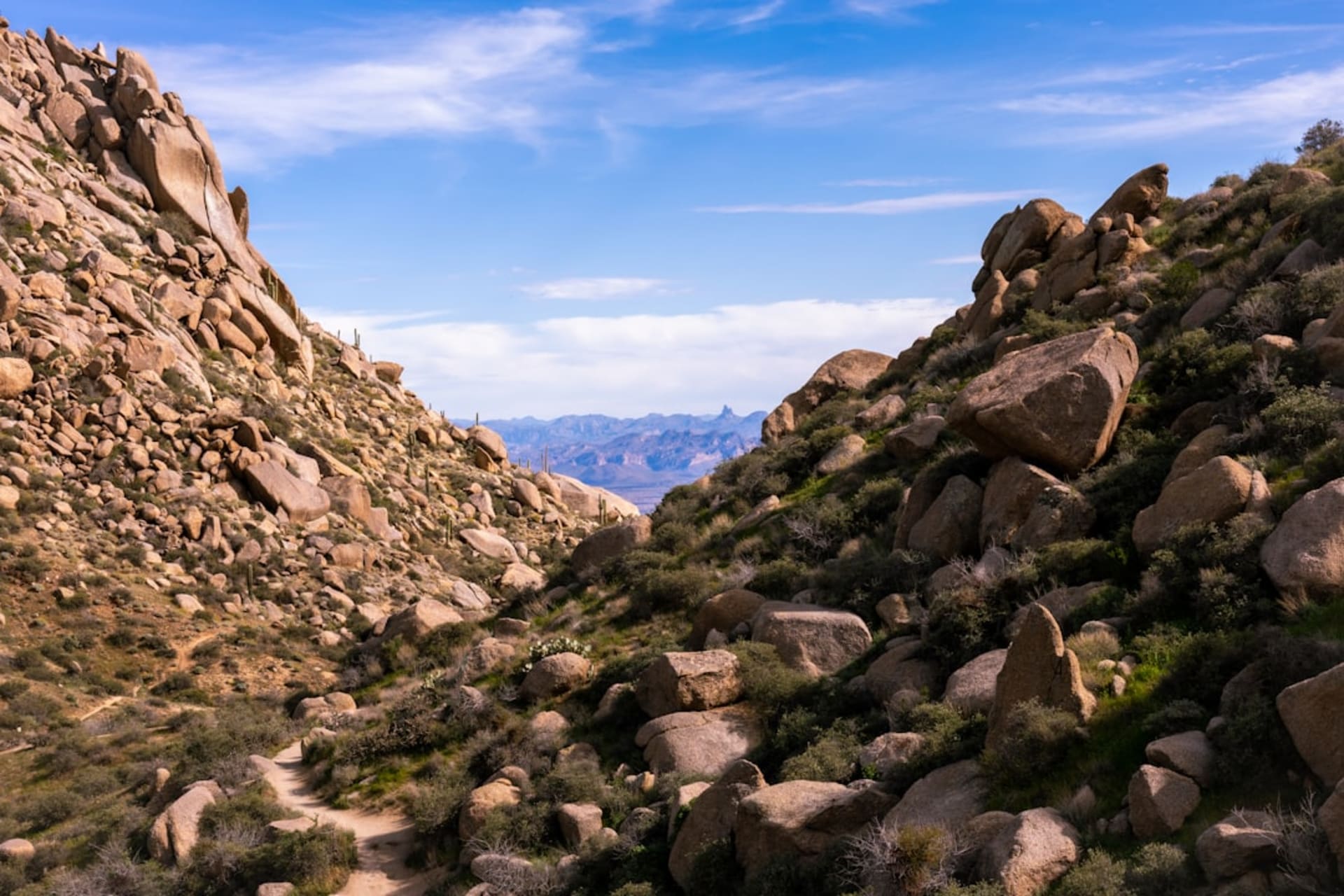
Rocky Mountain National Park
"Up here the trees quit, and so did my lungs — but not Lia's."
The first thing that happened, before any view, was that I got out of the car at a pull-off on Trail Ridge Road and had to sit back down. Lia laughed at me — she’s always been better with altitude — but 3,700 metres does something to a man from sea-level France. I breathed like an old accordion while a marmot watched me from a boulder, entirely unimpressed. We had driven up from Estes Park that morning with coffee still warm in the cup holders, and within an hour the world had gone treeless, wind-scoured, enormous. I have rarely felt so small and liked it so much.
Trail Ridge Road and the tundra
Everyone tells you Trail Ridge Road is the highest continuous paved road in the country, and the number is impressive, but the number isn’t the point. The point is watching the forest thin, then bend, then vanish entirely, until you’re driving across a rolling brown-gold tundra that looks like it belongs in Iceland or on the moon. We stopped at the Alpine Visitor Center and walked a short path where signs begged us not to step on the cushion plants — tiny things that take decades to grow an inch. Lia crouched over them like they were a language she was trying to read. The wind never once stopped. It came flat and cold across the ridge and made talking pointless, so we didn’t.
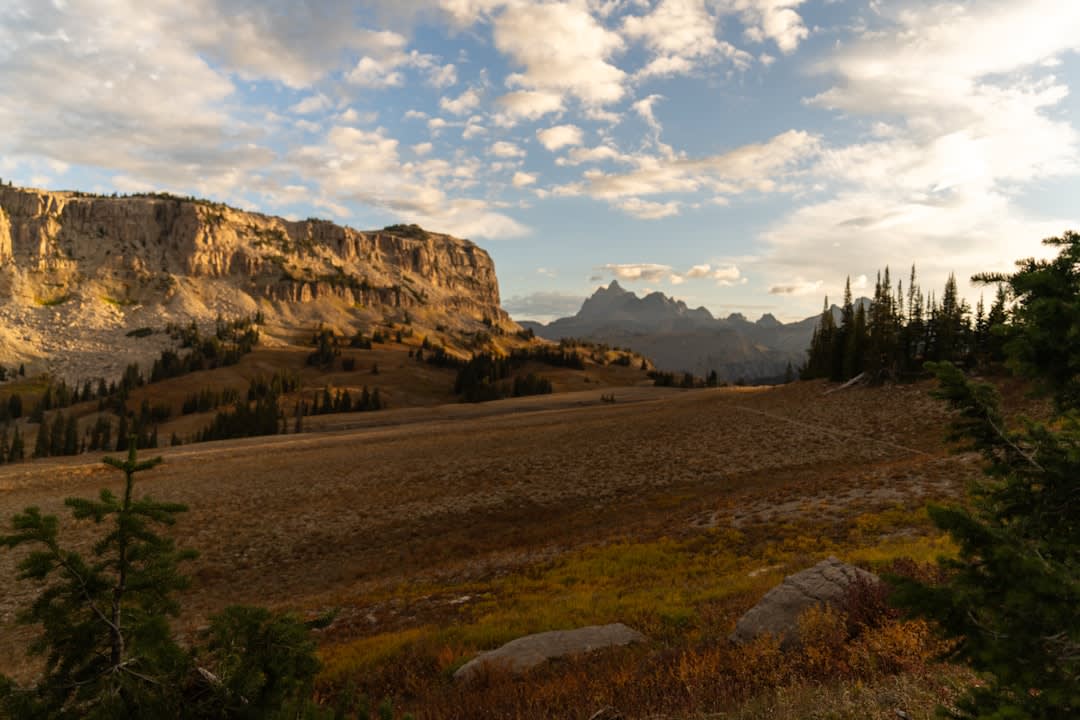
Bear Lake and the morning elk
We were told to arrive at Bear Lake early or not at all, so we set an alarm that felt criminal and drove up in the dark. The reward was a still black mirror of water ringed by pines with Hallett Peak catching the first pink light behind it. We had the shoreline nearly to ourselves for twenty minutes — just us, a gray jay begging shamelessly, and the sound of nothing. Later, driving back through Moraine Park in the low sun, we found the elk. A whole herd of them grazing the meadow, a big bull among them, breath steaming. In autumn they say you can hear the bulls bugling across the valley; we came in early summer, so we got silence and antlers instead, which was plenty.
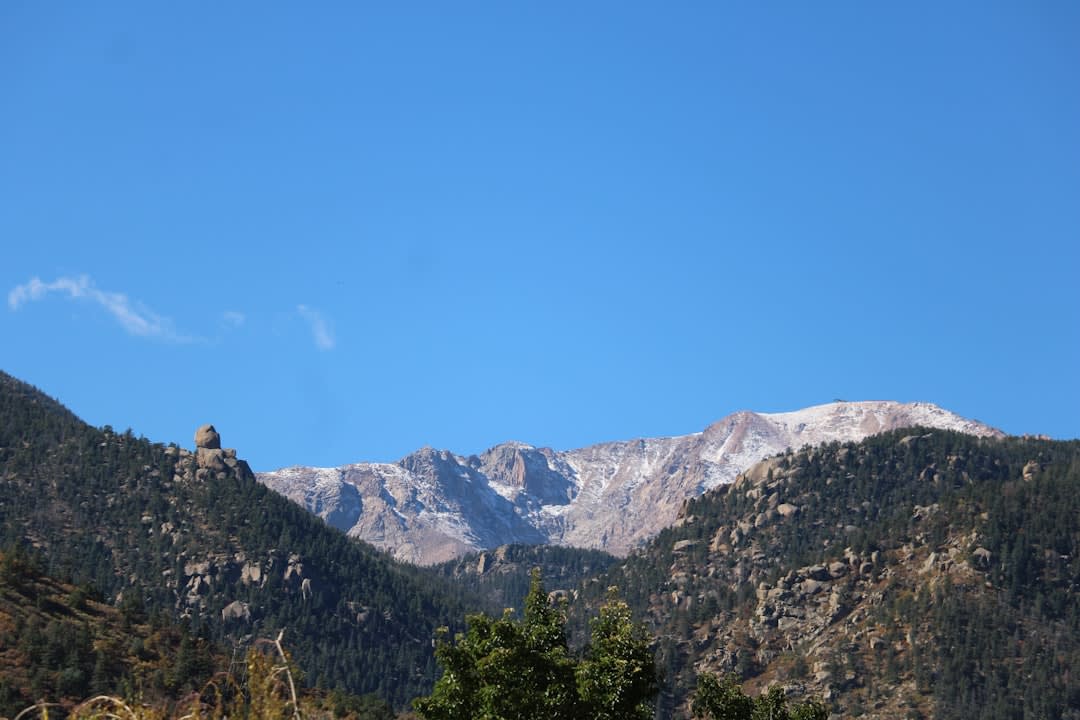
Walking to Emerald Lake
Our one real hike was the chain of lakes above Bear Lake — Nymph, Dream, then Emerald. It is not a hard trail on paper, but at that altitude every rise made me stop and pretend to admire the view. (I was admiring the view. I was also dying a little.) Nymph Lake was full of lily pads; Dream Lake was the postcard, wind-rippled with Hallett towering over it; and Emerald sat in a raw granite bowl with old snow still clinging to the shadows in July. We ate cheese and a sad squashed baguette on a rock and watched a pika sprint between the talus with a mouthful of grass. Lia said it was the happiest she’d seen me tired. She wasn’t wrong.
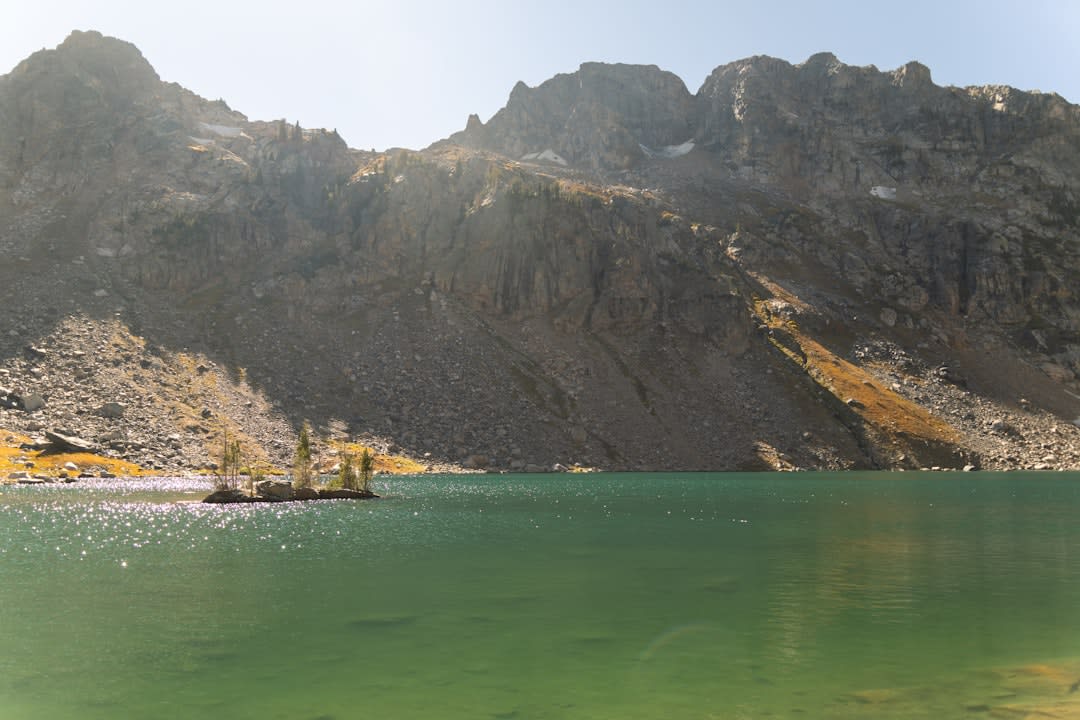
Getting There
The park’s main gateway is Estes Park, about a 90-minute drive northwest of Denver — rent a car, because there’s no other sensible way in. From late spring through autumn you’ll need a timed-entry reservation booked in advance online, especially for the Bear Lake corridor, so sort that before you go rather than at the gate. Fly into Denver International, pick up the car, and drive up through the foothills; the town of Estes makes an easy base with plenty of lodging. Trail Ridge Road only opens fully once the snow clears, usually late May to October, so check the season. Bring layers even in summer — it was shorts weather in Denver and near-freezing on the tundra the same afternoon.