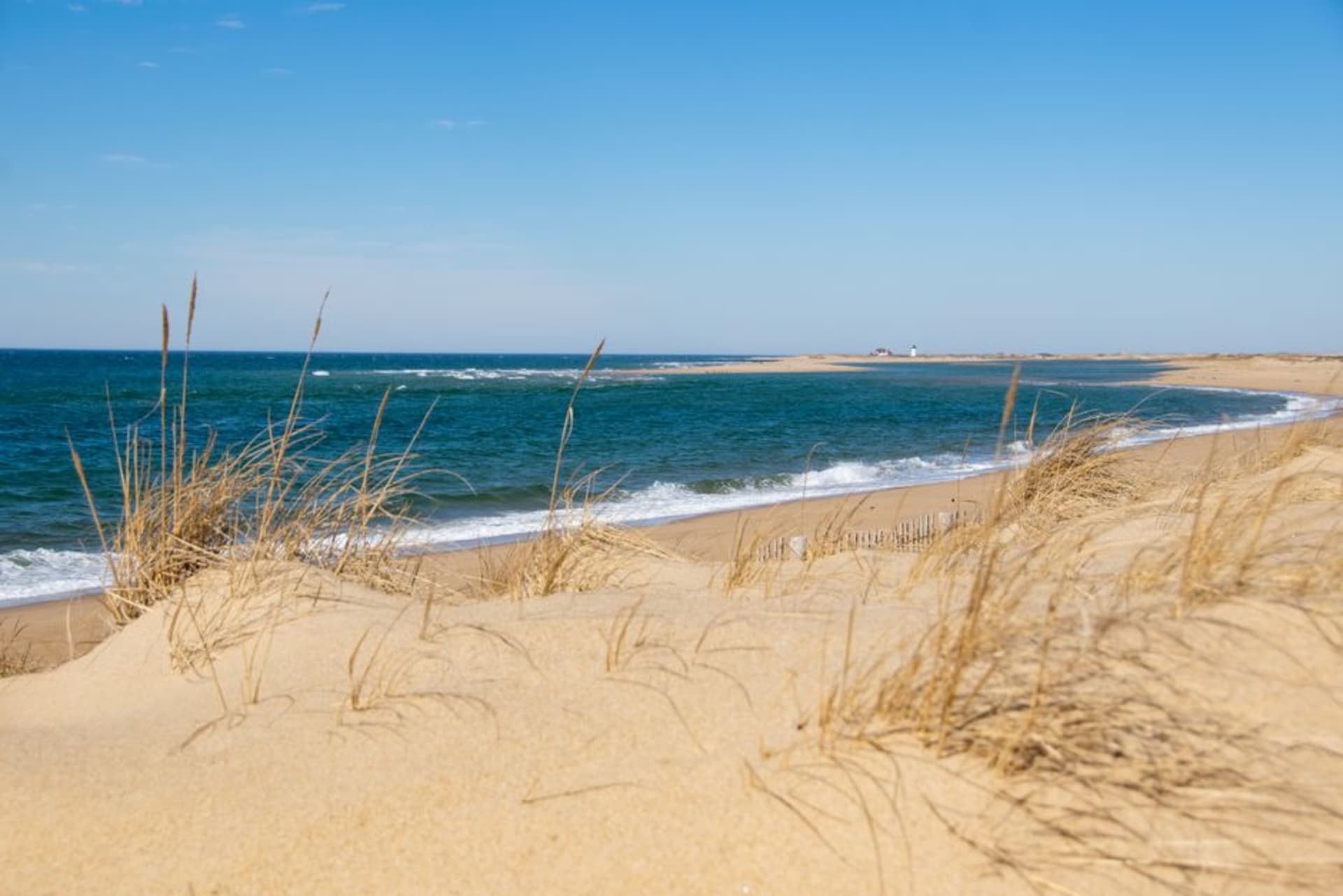
Provincetown
"At the end of the land, the light does something to you that I still can't quite explain."
We arrived by ferry, which is the right way to arrive, watching the tall granite finger of the Pilgrim Monument grow on the horizon across the bay. Provincetown announces itself long before you land. Lia leaned on the rail as MacMillan Wharf slid toward us, a jumble of fishing boats and whale-watch catamarans and a crowd on the dock that seemed, even from a distance, to be in a very good mood. We stepped off into a swirl of Commercial Street on a summer afternoon, and within ten minutes had been handed a flyer for a drag show, complimented on Lia’s dress by a stranger in sequins, and pointed toward the best lobster roll in town. We loved it instantly.
Commercial Street
Commercial Street is the spine of the town, a narrow lane barely wide enough for a car, packed with galleries, oyster bars, weathered captains’ houses and shops of joyful strangeness. Provincetown has been an artists’ colony for over a century, drawn by that clear maritime light, and the galleries are genuinely good, not tourist filler. We ducked into several, Lia falling hard for a set of small dune paintings we could not afford. In the evening the street becomes a slow parade, performers barking for their shows, everyone dressed for themselves. There is an ease here I have felt in few places, a town that decided long ago that everyone was welcome and simply never reconsidered. We ate oysters at a raw bar and watched the whole human tide go by.
The Dunes and the Province Lands
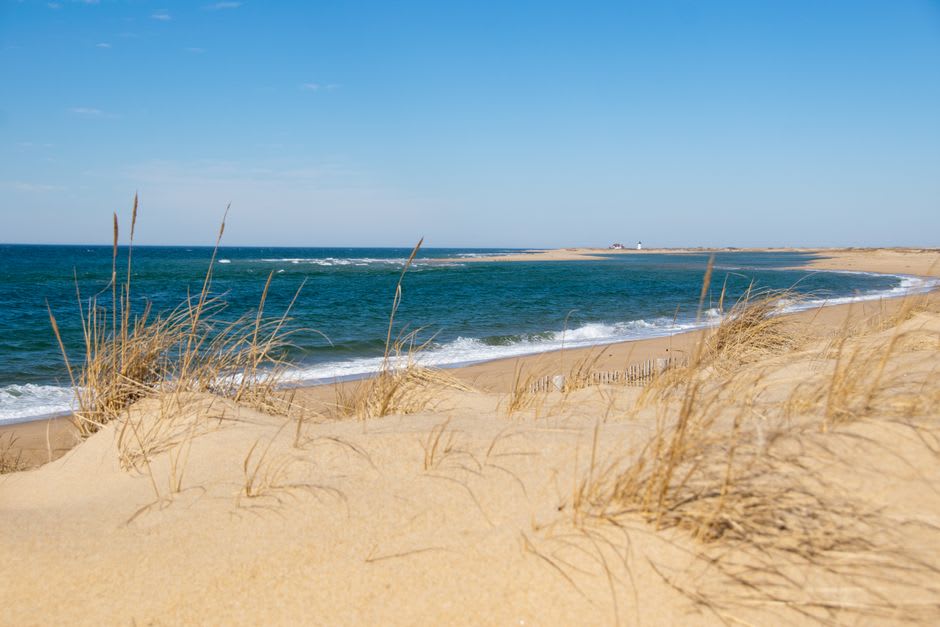
Behind the town lie the Province Lands, great rolling dunes of the Cape Cod National Seashore, and this wild backyard is what keeps Provincetown from being merely charming. We rented bicycles and rode the paved trail that loops through them, sand pressing at the edges of the path, stunted pines and beach plum giving way to bare, wind-sculpted hills. At Race Point the beach runs empty in both directions, the open Atlantic heaving in, and we saw seals bobbing just past the break. Weathered dune shacks, where writers and artists have holed up for generations, dot the sand hills. We climbed one dune just to see, and stood in that famous light with the whole curl of the Cape behind us and nothing but ocean ahead.

The Pilgrim Monument and the Harbor
It surprises people that the Mayflower Pilgrims landed here first, at the tip of the Cape, before ever reaching Plymouth. The Pilgrim Monument commemorates it, a granite tower you can climb for a view that takes in the whole spiral of Provincetown, the harbor, the dunes, and the sea folding around all of it. We climbed it near sunset, breathing hard at the top, and Lia traced the curve of the land with her finger, naming what we could see. Down at the harbor afterward, we joined a whale-watch boat out to Stellwagen Bank and were rewarded with a humpback breaching clear of the water, close enough that the whole boat gasped as one. Lia gripped my arm so hard it left a mark. Neither of us stopped grinning for an hour.
Getting There
Provincetown sits at the far tip of Cape Cod, about two and a half hours by car from Boston along Route 6, the drive down the narrowing Cape being half the pleasure. In summer, the far quicker and finer option is the fast ferry from Boston, which crosses the bay in about ninety minutes and drops you right at MacMillan Wharf. There is also a small airport with short flights from Boston. Once you arrive, leave the car behind; the town is walkable end to end, and bicycles or the shuttle handle the dunes and beaches beyond. Come for a whale watch and stay for the light.