
I had expected a quiet harbour and a lighthouse or two. What I had not expected was to eat some of the best meals of our year in a city smaller than my old arrondissement. Lia and I arrived in Portland on a bright cold afternoon, the kind that makes the brick glow and the water sparkle hard, and within an hour we had abandoned our itinerary in favour of a bench on the Eastern Promenade, watching the boats and eating oysters from a paper tray. This is a working town that happens to be delicious, and it took barely a day to win us over completely.
The Old Port
The heart of it is the Old Port, a grid of nineteenth-century brick warehouses on cobbled streets that slope down to the wharves. Once these buildings held ships’ chandlers and fish brokers; now they hold bookshops and coffee roasters and bars, but the bones are unchanged, and the fishing fleet still ties up at the working piers alongside. We spent a morning simply wandering — down Wharf Street with its old granite kerbs, past the Custom House, out onto Commercial Street where lobstermen were hosing down their decks. Lia bought a wool sweater she did not need from a shop that smelled of lanolin and cedar, and I forgave her because I had already bought two kinds of cheese and a jar of blueberry jam.
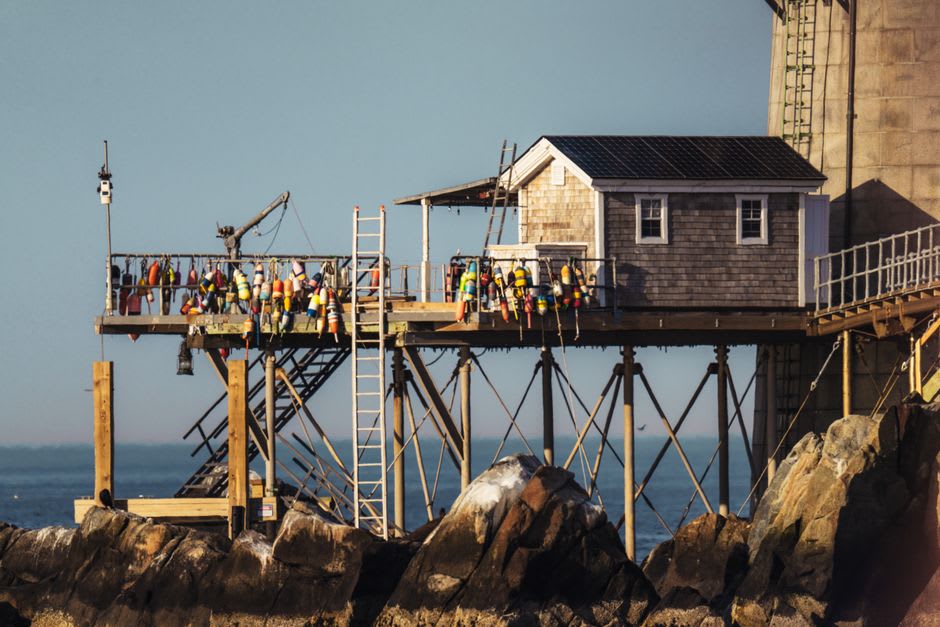
Lighthouses on the Rocks
Just south of the city, at Cape Elizabeth, stands Portland Head Light — the oldest lighthouse in Maine, commissioned in George Washington’s day, white and square on a shelf of dark rock with the surf exploding below it. We walked the paths of the surrounding Fort Williams Park in a stiff wind that snatched at our coats, and stood a long while watching the waves work at the base of the tower. It is the most photographed lighthouse in America and I understood why the moment I saw it; there is nothing extra to it, just stone and light and the enormous grey sea. Nearby, the twin lights of Cape Elizabeth and the sturdy Bug Light on its little pier gave us a whole afternoon’s excuse to keep driving the coast.
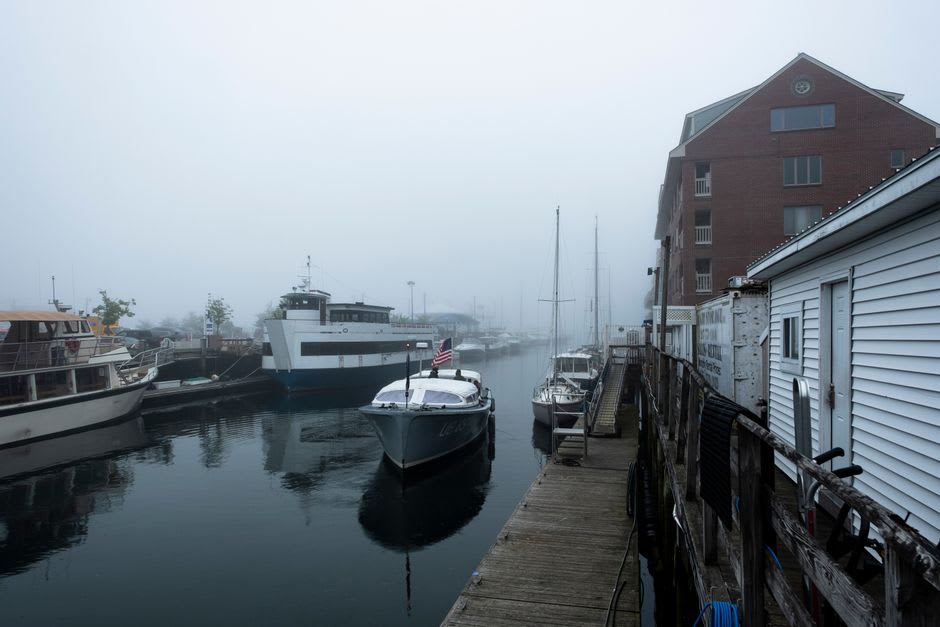
A Table by the Sea
Portland has become, improbably, one of the great food towns of America, and we ate our way through it without apology. Oysters first, always — cold and briny, pulled from the mudflats up the coast, a dozen kinds chalked on a board. Then lobster rolls, the meat barely dressed, piled into a buttered bun; chowder thick enough to stand a spoon in; a dinner at a candlelit spot where the chef sent out sea urchin and cod and a dessert of blueberries that tasted of the whole short northern summer. We finished late, walking back through the Old Port with the fog coming in and the streetlights haloed, both of us too full and too content to talk much. It was, I told Lia, the sort of evening you travel for.
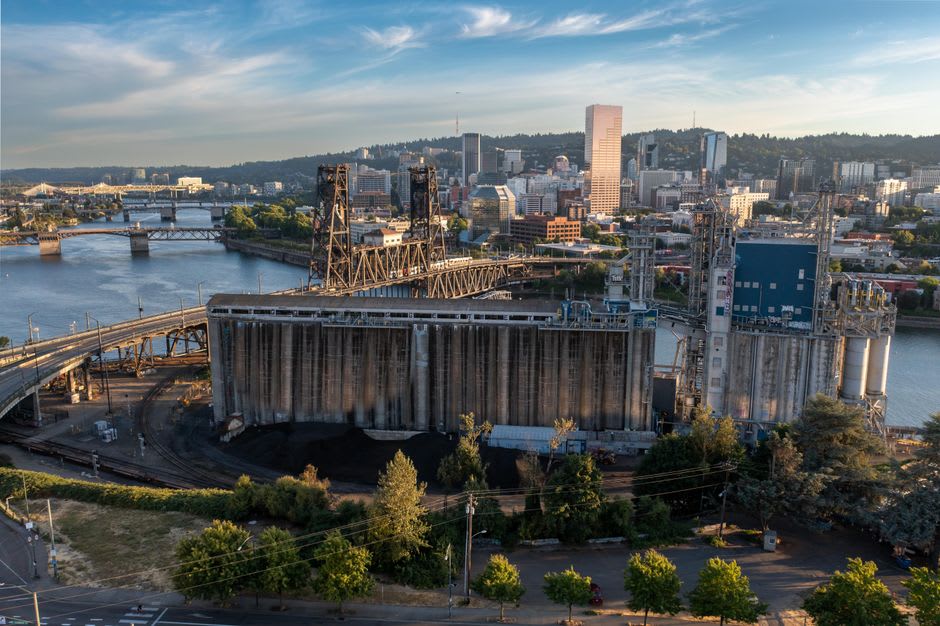
Getting There
Portland’s jetport sits just west of downtown with direct flights from Boston, New York and other East Coast hubs, and it is an easy target by car — about two hours up I-95 from Boston. The city centre and Old Port are best explored on foot; everything worth seeing there is within a few walkable blocks of the water. For the lighthouses at Cape Elizabeth you will want a car or a tour. Portland also makes the natural base for the Maine coast beyond — Bar Harbor and Acadia lie three hours further northeast, and the whole rocky shore unspools in between.