Titusville
"Titusville is the small town where the twentieth century's biggest industry started with a leaky wooden pipe."
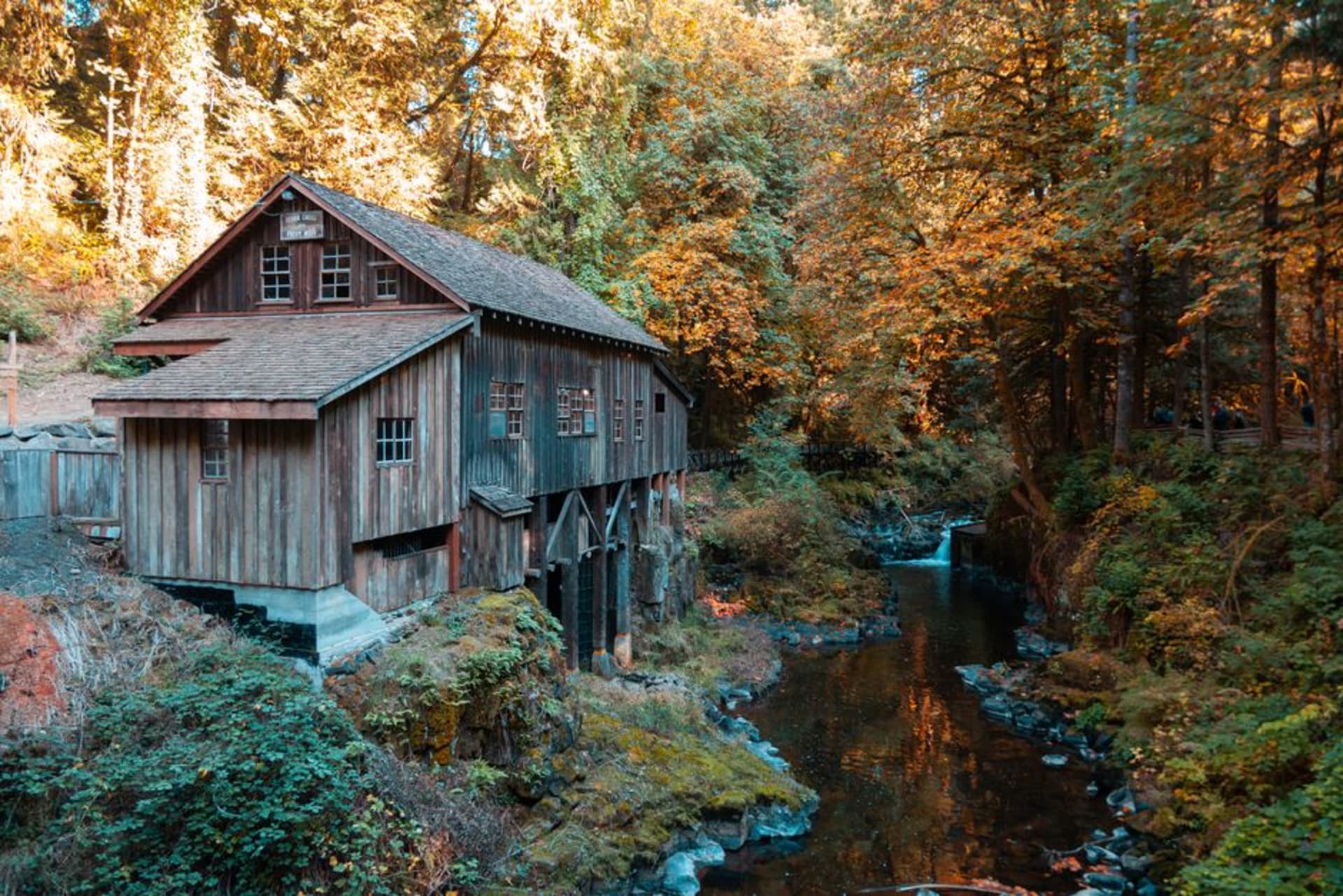
The northwestern Pennsylvania creek town where the modern oil industry was born in 1859, a rickety wooden derrick still standing over the exact spot where Edwin Drake struck black gold. Lia and I stood at that unremarkable little creek and tried, and mostly failed, to imagine it kicking off everything from gas stations to plastic to the entire twentieth century.
It’s a strange thing to stand at the exact birthplace of an industry that reshaped the entire world, especially when that birthplace is a modest creek in a quiet corner of northwestern Pennsylvania. Titusville is where Edwin Drake, drilling with borrowed money and a homemade percussion rig, struck oil in 1859 at a depth of just under seventy feet, the discovery that launched the modern petroleum industry and, arguably, the American century that followed. Lia and I came expecting a small regional museum; we left having spent most of a day here, genuinely absorbed.
Drake Well and the birth of an industry
At the Drake Well Museum, a reconstructed wooden derrick stands on the original drilling site, creaking gently over Oil Creek exactly as the first one did before it burned down within a year of Drake’s discovery. A park ranger walked us through the original engine house replica, explaining how word of the strike triggered an overnight boomtown rush eerily similar to the California gold rush a decade earlier, complete with speculators, shanty towns, and fortunes made and lost within months. Standing at the creek’s edge, it was hard to square the scale of what followed — highways, plastics, an entire global economy — with how unremarkable the actual spot looks today.
Oil Creek State Park and the boom country ghost towns
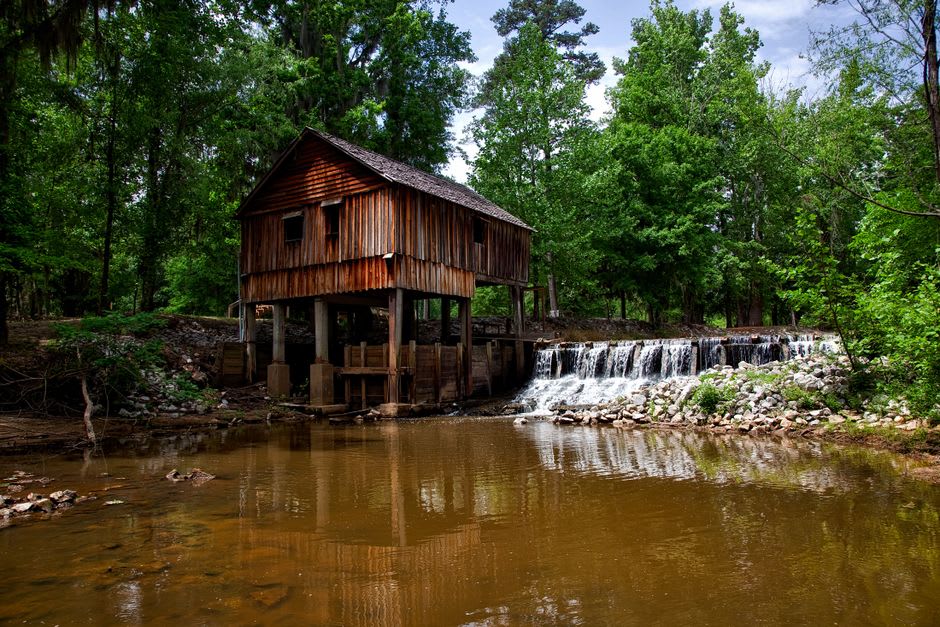
We drove the scenic road through Oil Creek State Park, which threads past the sites of Pithole and other overnight oil boomtowns that flourished and then vanished within a few short years once the wells ran dry. Little remains of Pithole now but foundation outlines in a grassy field, a strange, quiet contrast to the frantic town of fifteen thousand people that stood there in 1865. We hiked a short trail down toward the creek itself, water running clear and unremarkable over stones, no visible trace left of the oil that once seeped straight out of the ground here.
Getting There
The nearest airport is Erie International (ERI), about an hour north via PA-8. Pittsburgh International (PIT) is roughly two hours south and often has more flight options. A car is essential — there’s no regional transit into Crawford County — and it’s the only way to link Titusville with the scenic drive through Oil Creek State Park.
Keep exploring
More of Pennsylvania