Ligonier
"Ligonier's town square runs on a schedule of band concerts and ice cream that seems to have skipped the last fifty years entirely."
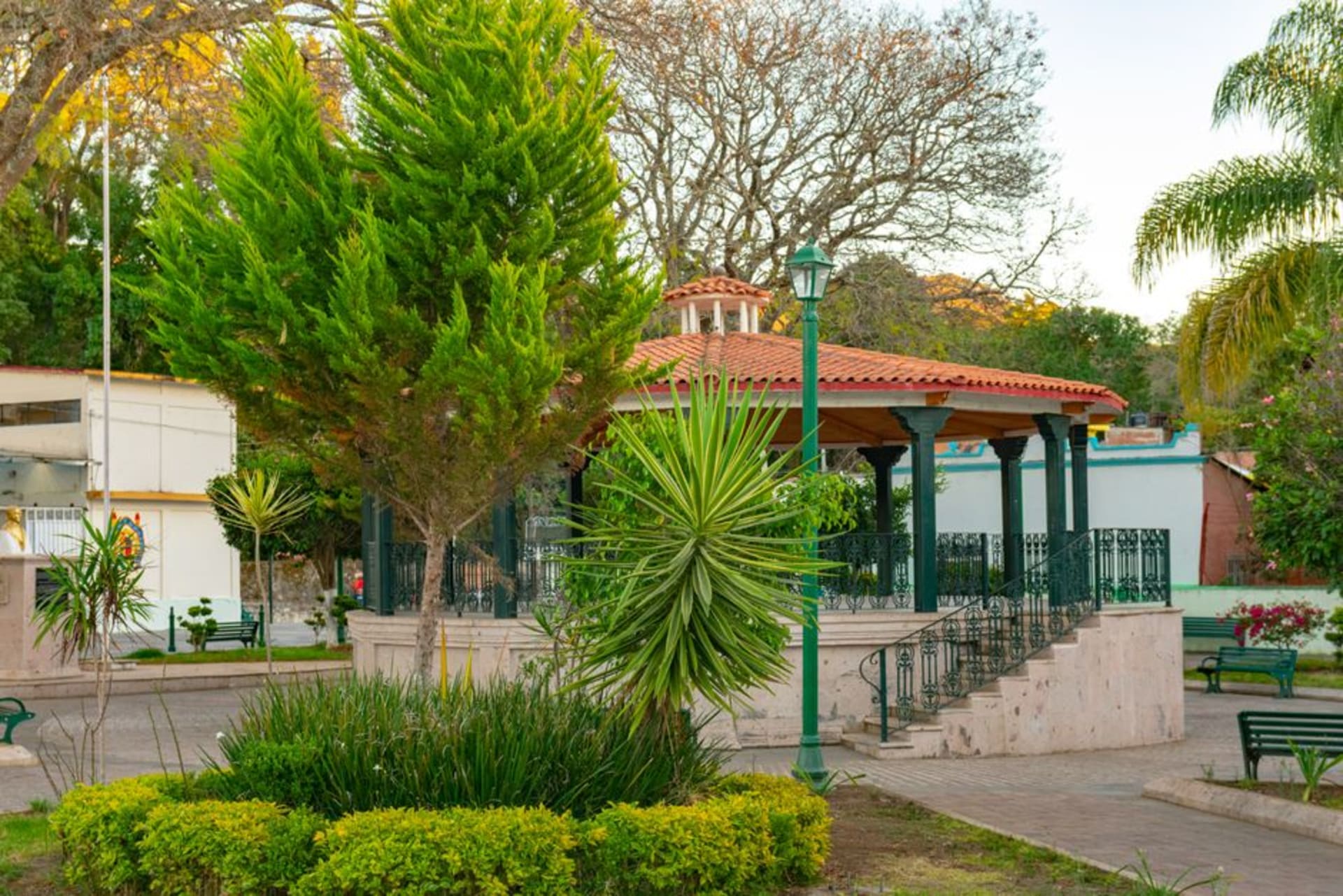
A Laurel Highlands town built around a reconstructed French and Indian War fort, with a picture-perfect diamond square that locals still gather on for band concerts every summer Saturday. Lia and I sat on a bench in the square eating soft-serve while a brass band worked through Sousa marches, and it felt like stepping into a memory that wasn't even ours.
Ligonier organizes itself around a diamond-shaped town square that could double as a movie set for small-town Americana, a white gazebo at its center and shops ringing the perimeter in brick and clapboard. We arrived on a Saturday evening without knowing the town holds free band concerts on the diamond most summer weekends, and ended up sitting on the grass with soft-serve cones while a community brass band worked its way through marches and show tunes for a crowd of maybe two hundred people who all seemed to know each other.
Fort Ligonier and the French and Indian War
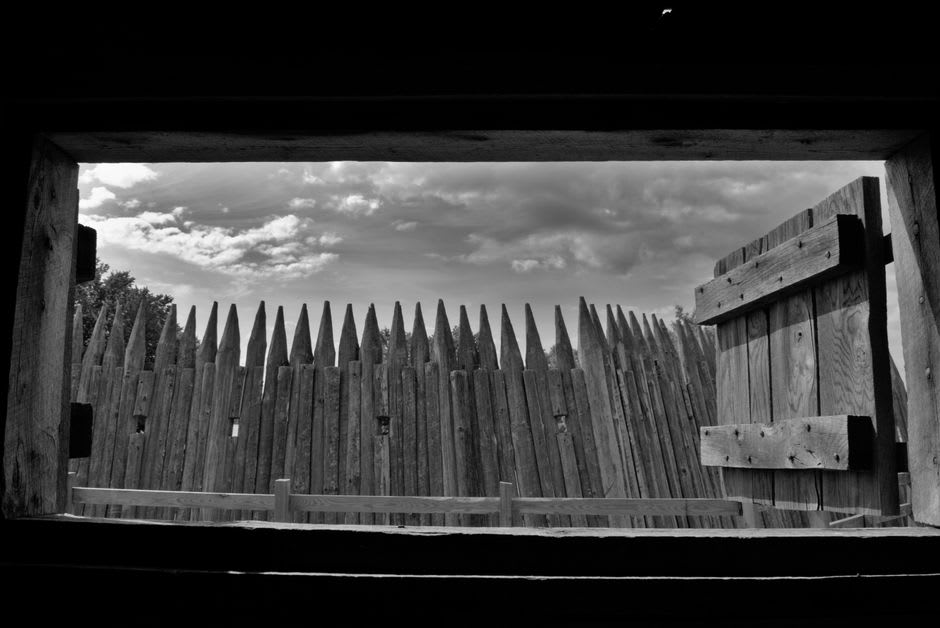
The town takes its name from Fort Ligonier, a reconstructed eighteenth-century British fort built during the French and Indian War, when this stretch of the Laurel Highlands sat squarely on the contested frontier between British, French, and Native American territory. We toured the rebuilt palisade walls and barracks, a costumed interpreter explaining how the fort supplied General Forbes’s campaign toward Fort Duquesne, the same push that eventually gave Pittsburgh its name and its start. The museum inside holds an unexpectedly deep collection for a town this size, including artifacts recovered from the original archaeological dig.
Idlewild and the Laurel Highlands beyond
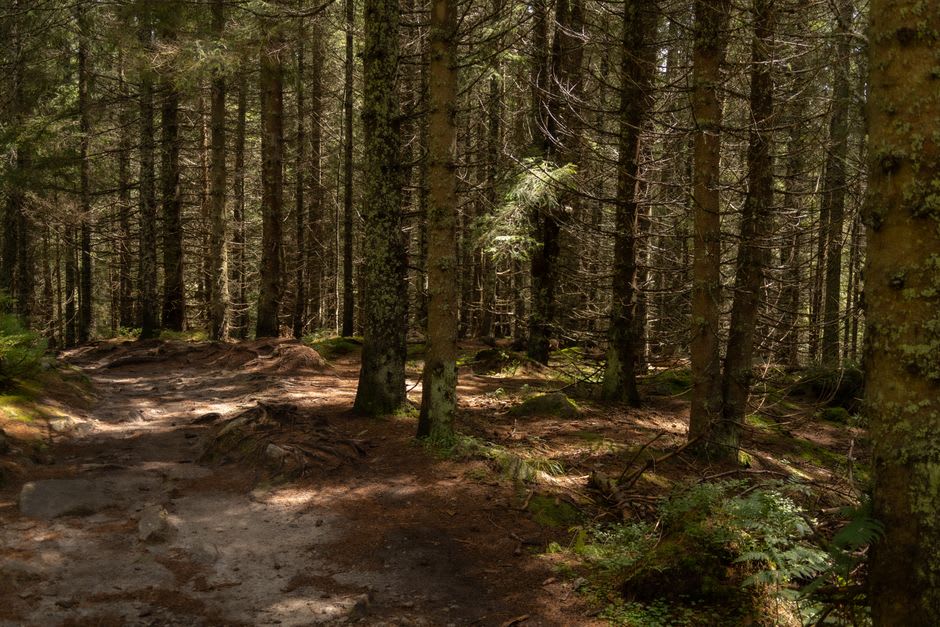
A short drive from downtown, the Laurel Highlands roll out in wooded ridges and small lakes, and we spent the following morning hiking a quiet trail near Linn Run State Park, hemlocks so dense the light came through in narrow shafts. It’s a region that mixes Revolutionary-era frontier history with pure Appalachian outdoor scenery, and Ligonier, small and unhurried as it is, works well as a base for both without ever feeling like it’s trying to be a destination in the flashy sense.
Getting There
The nearest airport is Pittsburgh International (PIT), about an hour west via US-30 and the Pennsylvania Turnpike. A car is essential — there’s no rail or bus service into this part of the Laurel Highlands — and the drive itself, climbing gently into forested ridgelines, makes a fitting introduction to the region.
Keep exploring
More of Pennsylvania