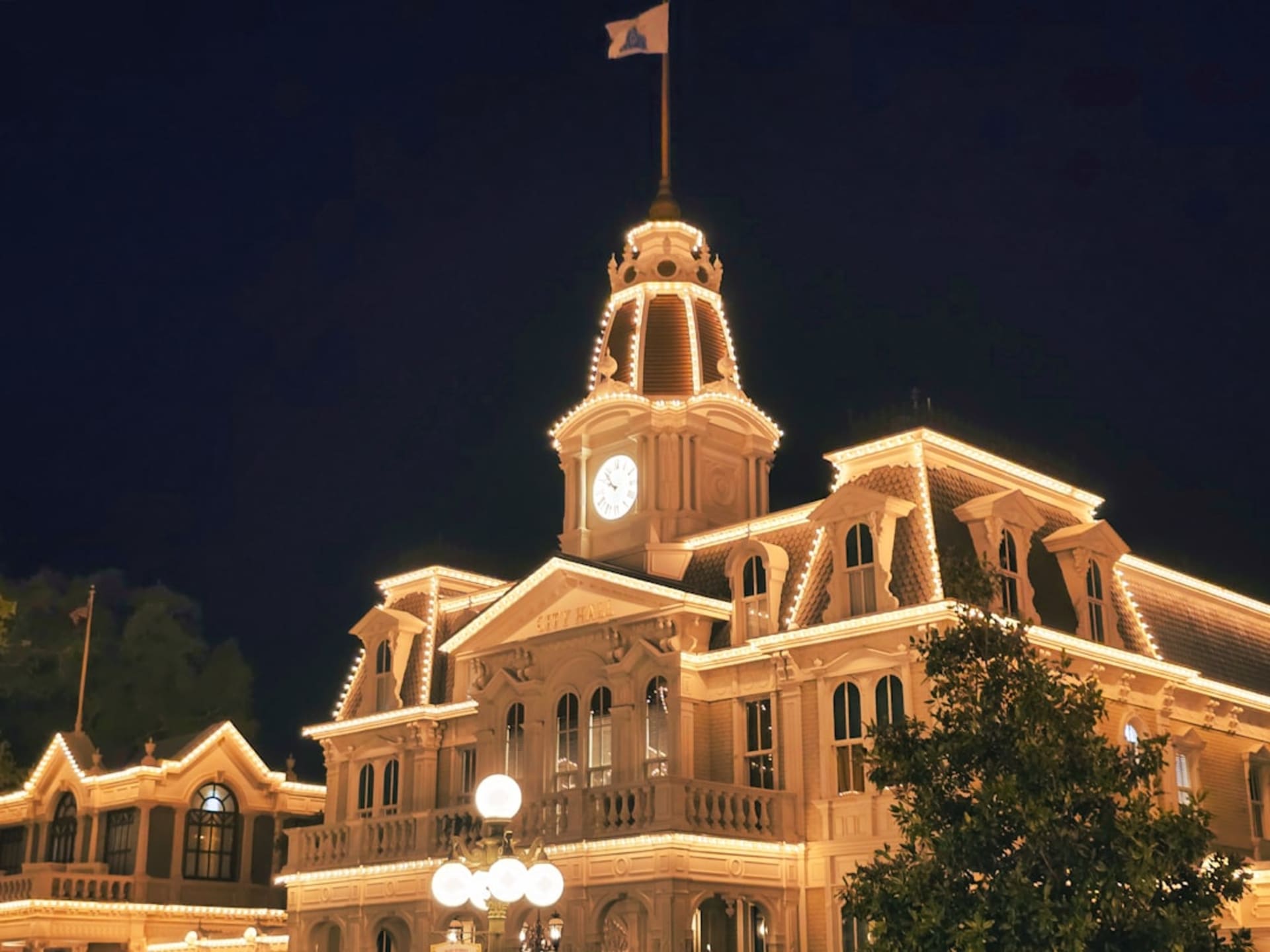
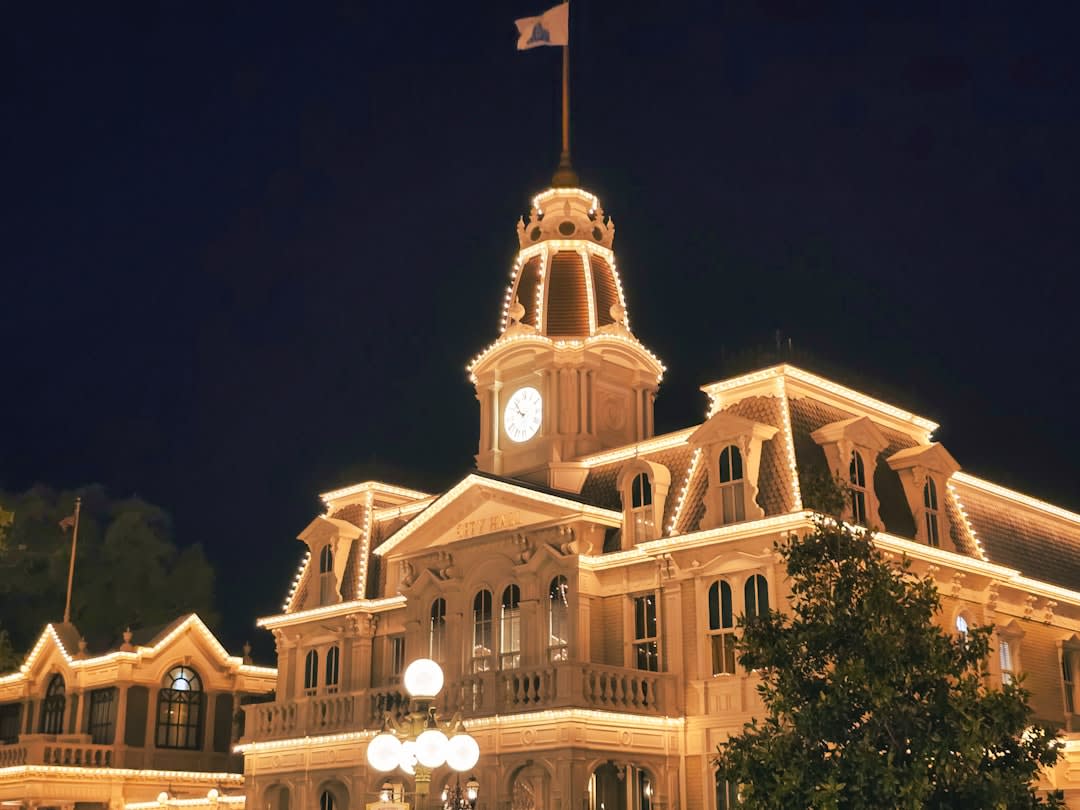
Park City
"A mining town that never quite stopped being one, even with skis leaning against every door."
We arrived in Park City on the last Thursday of January, which turned out to be either the best or worst time to come, depending on how you feel about crowds. Lia and I had booked the trip months earlier without checking the calendar, and only realized when we couldn’t find parking that we had walked straight into Sundance. Every doorway on Main Street had a poster in it. A man in a puffer jacket was arguing into his phone about a screening time. It was cold enough that the snow squeaked under our boots, and I loved it immediately.
The Street That Remembers Silver
Park City’s Main Street runs uphill in a way that makes your calves burn by the top, and every building on it seems to be holding onto its nineteenth-century self with both hands. This was a silver town first — one of the richest in the West — and the brick façades and the old Egyptian Theatre still carry that flush of sudden money. We ducked into the Park City Museum on Main, mostly to get warm, and stayed an hour reading about the miners who rode ore cars down into the dark.
Afterward we found a bar with a working fireplace and drank something hot with whiskey in it. Lia said the town felt like a film set, and I said that was because it half was, this week. But underneath the festival buzz there was something older and quieter, the sense of a place that had been boom and bust and boom again.
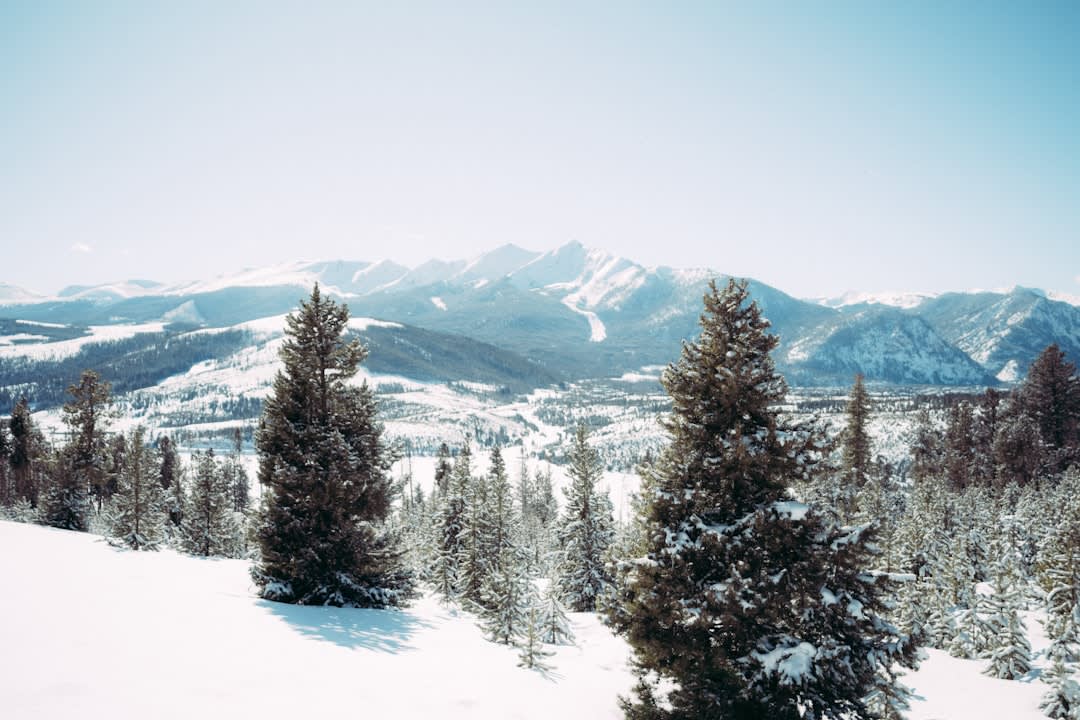
Snow Above the Town
The next morning we took the Town Lift, which is a small marvel — a chairlift that begins essentially in the middle of town, so you can step off a sidewalk and be riding up into Park City Mountain within minutes. Neither of us are strong skiers, so we spent most of the day on the gentle blue runs, stopping often to look back down at the valley where the town sat small and brick-red against all that white.
The Wasatch snow is the thing people fly across the world for, and now I understand the fuss. It falls dry and light, the famous cold-smoke powder, and it muffles everything so that the mountain goes almost silent between chairlifts. At lunch we sat on a deck in the sun, faces burning pleasantly, watching better skiers than us carve down from the ridge.
Steam and Stillness at the End of the Day
What I remember most, though, isn’t the skiing. It’s the evening we drove out to the Homestead Crater, a strange geothermal dome near Midway where you can float in warm mineral water inside a hollow limestone hill. You descend a tunnel and there it is — a pool of turquoise water lit from within, steam curling up toward a hole in the rock ceiling where the winter sky shows through.
Lia floated on her back with her eyes closed while I watched the light move on the mineral walls. We had the place nearly to ourselves. Outside it was well below freezing; inside the crater it was summer. Driving back to Park City afterward, hair still damp, we passed frozen fields silvered with moonlight, and I thought this was the kind of day that a place gives you when you stop trying to see everything.
Getting There
Park City sits about 35 minutes east of Salt Lake City International Airport, which makes it one of the most accessible mountain towns in the American West — you can land and be clicking into ski boots before lunch. In winter, shuttle services run frequently from the airport, and I’d recommend one over renting a car, since Main Street parking is punishing and Interstate 80 through Parley’s Canyon can get treacherous in a storm. If you do drive, keep an eye on the pass conditions. Once you’re in town, a free bus network loops through Park City and Deer Valley, so you rarely need wheels of your own. Come in late January only if you want the Sundance energy; for quieter snow, aim for early December or March.