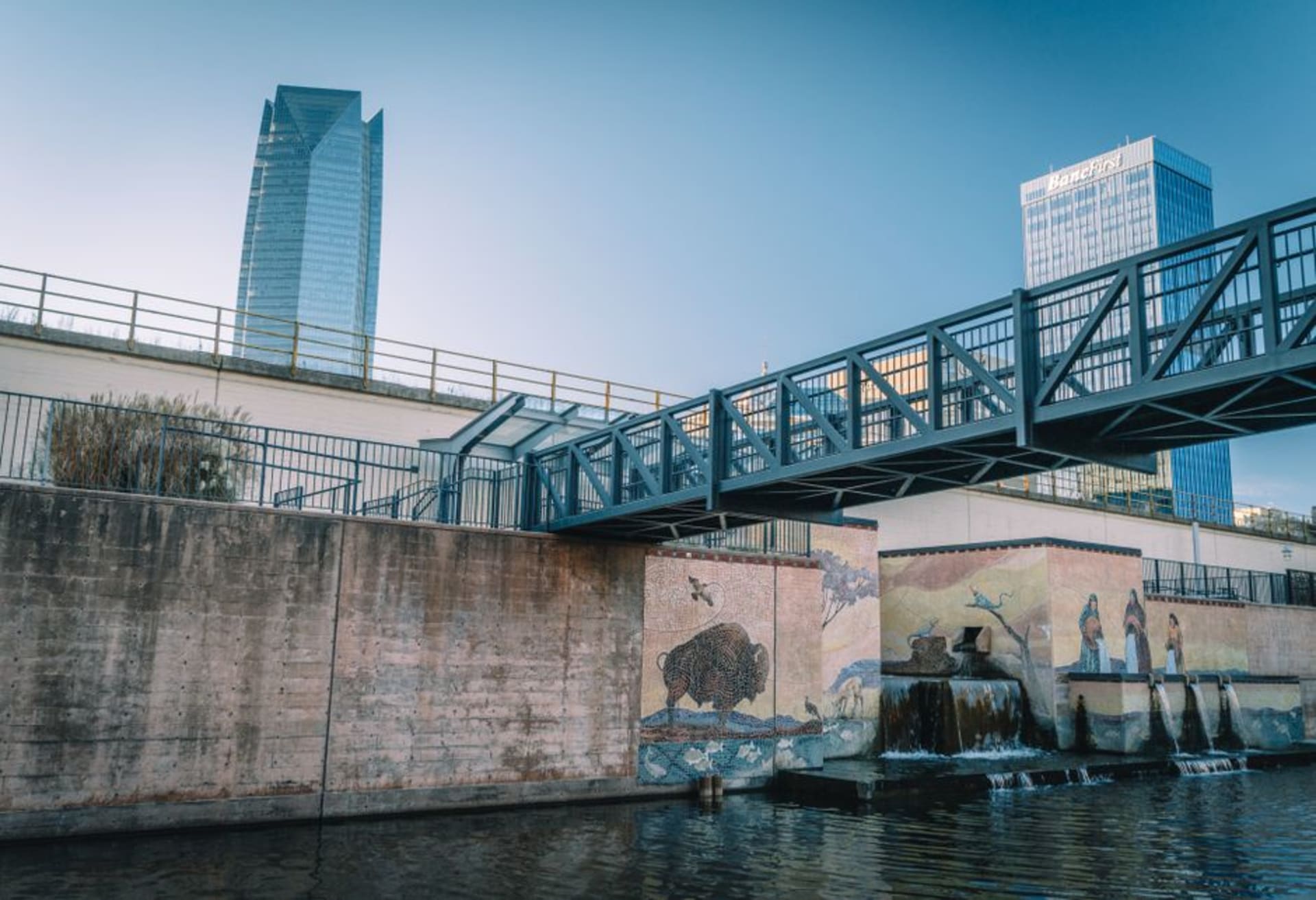
We came to Oklahoma City for the memorial, and it is the memorial I want to tell you about first, because everything else in the city seems to arrange itself around that quiet center. On the morning of April 19, 1995, a bomb tore apart the federal building here and killed 168 people, 19 of them children. Where the building stood there is now a long, still reflecting pool, flanked by two great bronze gates marking the minute before and the minute after. On the lawn stand 168 empty chairs, small ones for the children. Lia and I walked the length of it in silence as the water lay perfectly flat, and I have rarely felt a public place hold so much.
The National Memorial
The museum beside the pool tells the whole story, hour by hour, and it is almost unbearable and entirely necessary. There is a room where you hear a recording of an ordinary meeting happening in a building nearby at the moment of the blast, and the sound of it stops your breath. But what stays with you is not the horror; it is the response — the strangers who dug, the nurses who came, the city that refused to be defined by cruelty. We stood by the Survivor Tree, an old elm that lived through the blast and blooms still, and I understood why the people here tend it like a relative.
Bricktown and the Canal
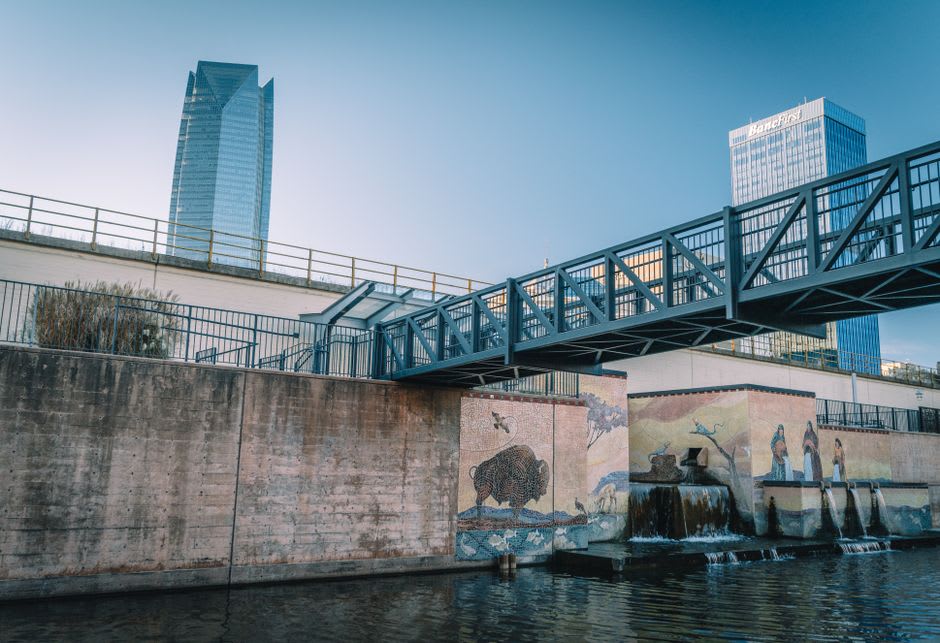
Oklahoma City knows you cannot spend all day grieving, and so it gives you Bricktown. This old warehouse district has been reborn around a canal, and we took one of the little water-taxi boats along it at dusk, gliding past restaurants and murals while the guide told tall tales and the neon came on. We ate too much barbecue afterward and wandered the brick streets with the crowds. It is unashamedly fun, and after the memorial that felt not like a contradiction but like a mercy — the same city insisting that life goes on, loudly, over ribs and beer.
The Stockyards
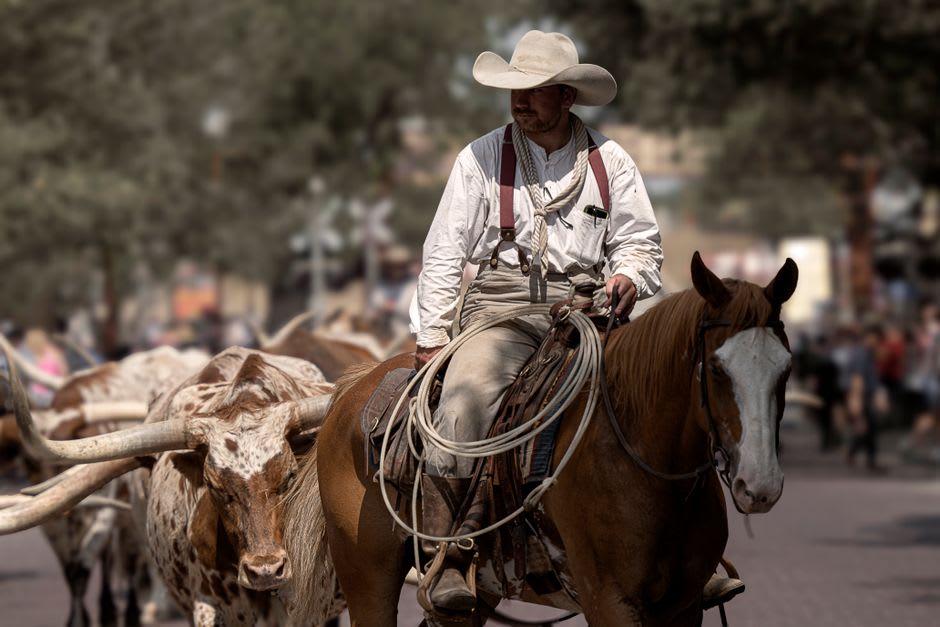
On our last morning we drove out to Stockyards City, where the largest stocker and feeder cattle market in the world still runs, and it is not a show — it’s a working auction. We climbed to the catwalk above the pens and watched real cowboys move real cattle through the maze, the smell and noise and dust of it entirely genuine. Afterward we ate steak at a century-old cattlemen’s café where the waitresses called us “hon,” and Lia bought a pair of proper boots she has worn ever since. The frontier is not a costume here. It’s simply Tuesday.
Getting There
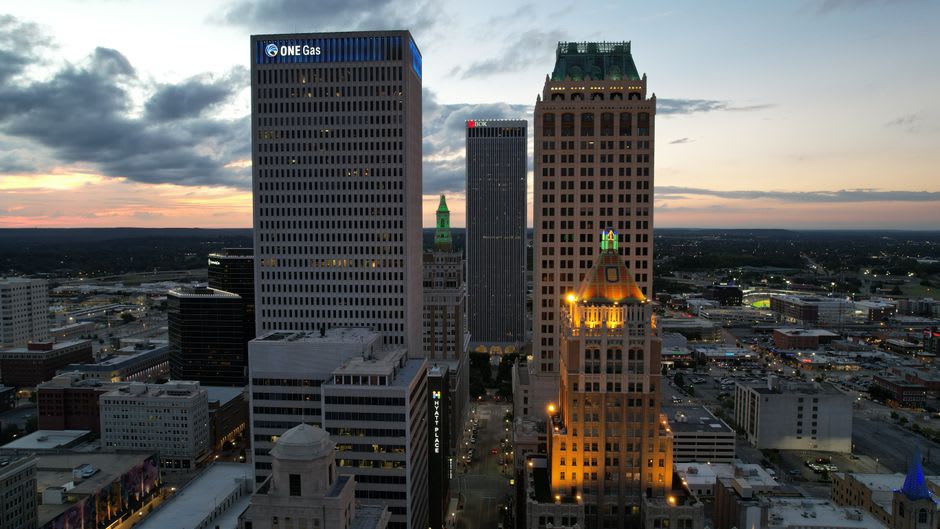
Will Rogers World Airport sits southwest of downtown with connections through the major central hubs, and the city is a genuine crossroads by road — Interstates 35, 40, and 44 all meet here, so almost any drive across the middle of the country passes through. Give it two days. Do the memorial first thing in the morning, when it is quietest, and let Bricktown and the Stockyards carry you back toward the living afterward. This city has earned the right to both.