
Newport
"We walked the Cliff Walk between two impossible things: the mansions and the sea."
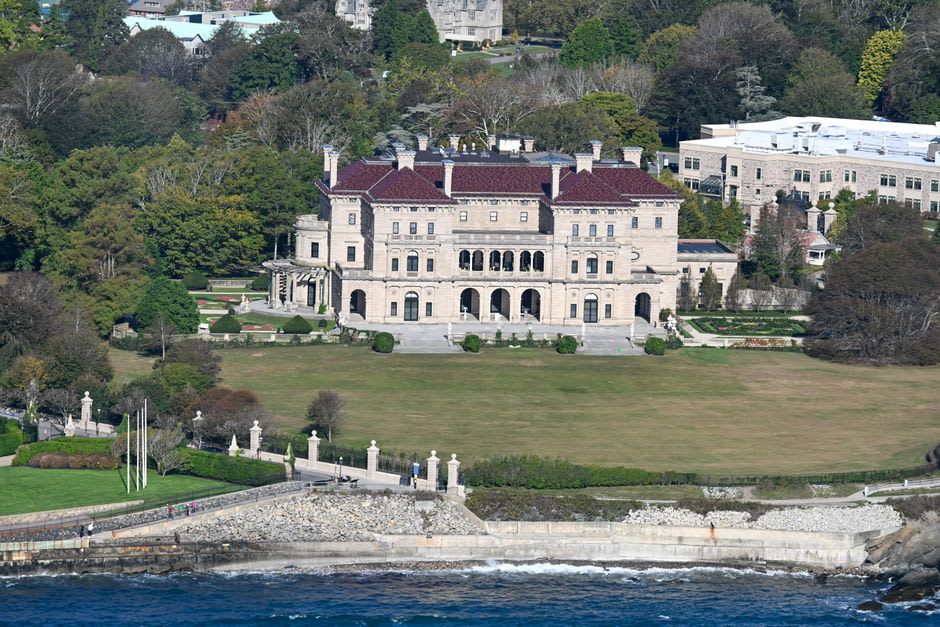
The gate to The Breakers is grand enough, but it was the ocean side that undid me. Lia and I had bought tickets on a whim, and after wandering the marble halls, all of it, the gilded ceilings, the chandeliers like frozen fountains, we stepped out onto the back terrace and there was the Atlantic, wide and grey-blue and utterly indifferent to all that wealth. The Vanderbilts had built a seventy-room summer “cottage” and then set it facing the one thing money could never own. Lia laughed at the scale of it. “They built a palace,” she said, “just to watch the same waves we’re watching for free.” We stood a long time on that terrace, feeling small in the best way.
The Cliff Walk
The Cliff Walk is Newport’s masterstroke, a three-and-a-half-mile public path that runs along the edge of the sea directly beneath the great estates. On one side, manicured lawns and the backs of mansions; on the other, a sheer drop to the surf. We walked it slowly, starting near Easton’s Beach and heading south. In places the path is smooth pavement; in others it narrows to rock scrambles where the spray reaches you and you use your hands. Lia found a bench half-hidden in the rugosa roses and we sat while the waves worked below, watching a sailboat heel over in the wind offshore. It is a strange and wonderful thing, this walk, the extreme privacy of the rich pressed right against a path anyone can take.
The Mansions of Bellevue Avenue
Beyond The Breakers, Bellevue Avenue is lined with them, Marble House, The Elms, Rosecliff, each a fever dream of European borrowing dropped onto the Rhode Island shore. We toured Marble House the second morning, where a woman named Alva Vanderbilt spent a sum on marble that the guide quoted and I refused to believe. In the tea house at the cliff’s edge she once held rallies for women’s suffrage, which I found more moving than all the gold leaf. Lia lingered in the gardens while I read every placard, as I always do and she never does. These houses were lived in for a few weeks each summer, then shuttered, monuments to a season. There is something both dazzling and faintly sad in that.
The Harbor and the Town
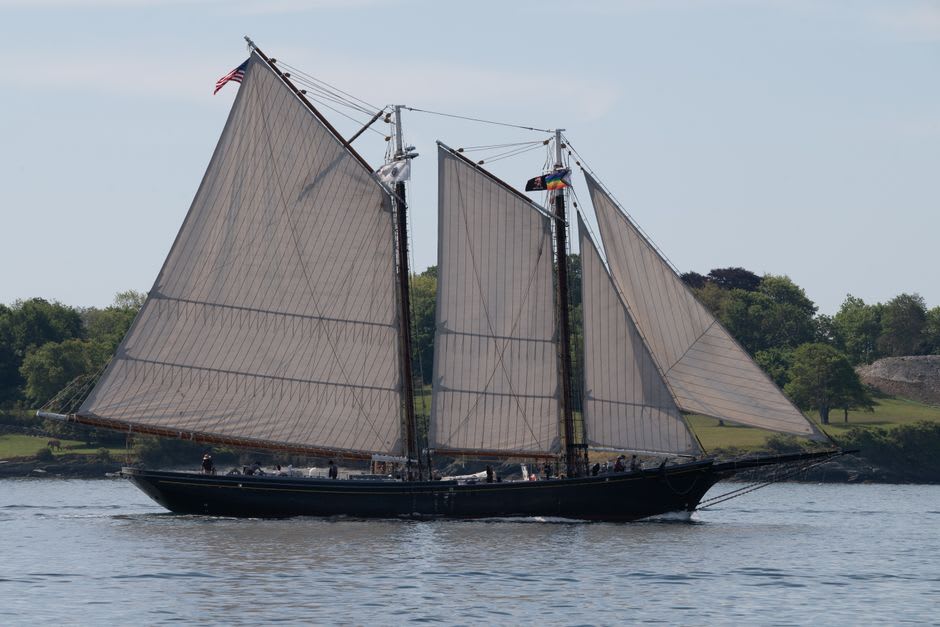
For all the grandeur inland, Newport is a sailing town at heart, and the harbor is where it feels most alive. We spent our last evening down among the wharves, Bowen’s and Bannister’s, where the old brick warehouses now hold seafood joints and the docks bristle with masts. This was the capital of American yachting, host to the America’s Cup for decades, and the water is still thick with sails at dusk. We ate stuffed quahogs and drank something cold at a table over the water while the ferries came and went. A twelve-metre racing yacht slid past, all business, its crew in matching windbreakers. Lia raised her glass to it. The town lets you feel, for an evening, that you too might belong to the sea.
Getting There
Newport sits at the southern tip of Aquidneck Island in Rhode Island, about an hour and a quarter from Boston and forty minutes from Providence. There is no train directly into town; most visitors drive, crossing the graceful Claiborne Pell Bridge over Narragansett Bay, or take a bus or seasonal ferry from Providence. Parking downtown is scarce in summer, so leave the car at your lodging and walk, the town is compact and made for it. Buy mansion tickets in advance if you can, and give the Cliff Walk a clear morning, ideally at a falling tide when the rocks are widest.