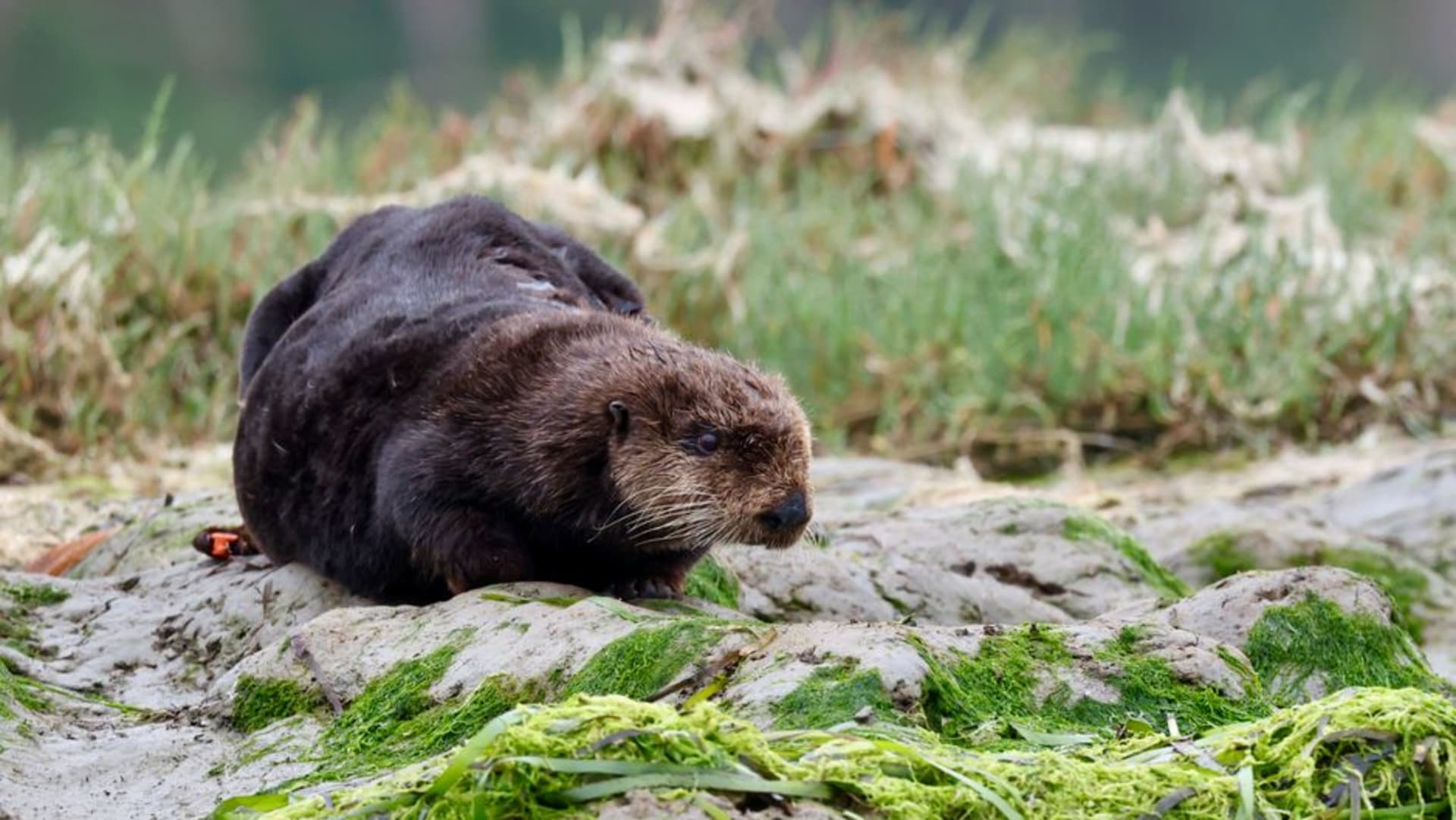
We arrived in Monterey the way you’re not supposed to — late, hungry, and a little frayed after the drive up from Big Sur. Lia rolled the window down at the first sight of water, and the smell hit us both at once: salt, and something greener underneath, the mineral breath of the kelp. She counted seven otters bobbing in the harbor before we’d even found a place to park. I remember thinking that no amount of reading about a place prepares you for the animal fact of it, the way a bay can be busy with life in a way a photograph flattens into decoration.
The Cannery Row That Steinbeck Left Behind
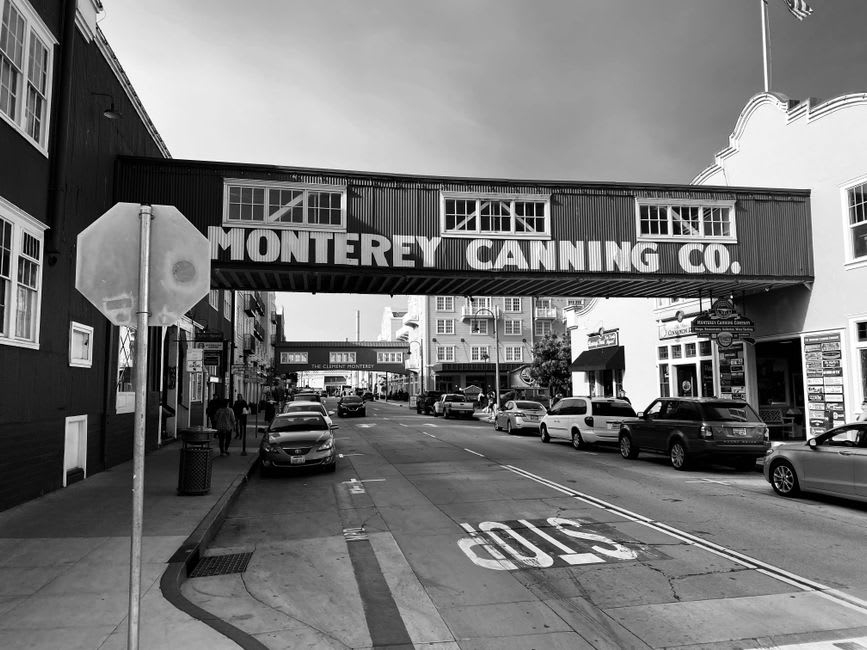
Cannery Row is a strange, honest kind of place. The sardine factories that Steinbeck wrote about collapsed when the fish vanished in the 1950s, and what’s left is a working memory dressed up for visitors — old wooden buildings, rusted pipes crossing overhead, a few plaques where the canneries stood. Lia and I walked it slowly in the grey morning, coffee going cold in our hands. I’d expected kitsch and found something more melancholy, the ghost of an industry that ate itself. A man selling saltwater taffy told us his grandfather had gutted fish here. He said it plainly, without nostalgia, and I liked him for it.
Inside the Aquarium, Looking Up
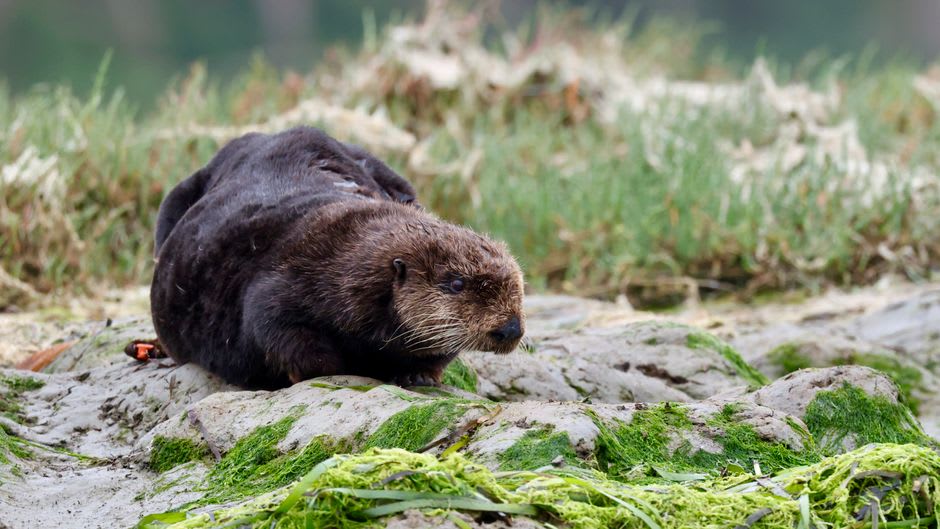
The Monterey Bay Aquarium is built into an old cannery, and it pulls its water straight from the bay, so the exhibits are alive in a way that feels almost unfair to other aquariums. We stood in the kelp forest tank for a long time — three stories of swaying green, sardines turning in a single silver sheet, sunlight breaking through the surface far above. Lia went quiet, which is how I know she’s moved. Later we watched the sea otters being fed, and a volunteer told us each one eats a quarter of its body weight a day just to stay warm. I thought about that in the cold wind afterward, how much effort it takes simply to live out here.
The Cypress and the Fog Along the Coast
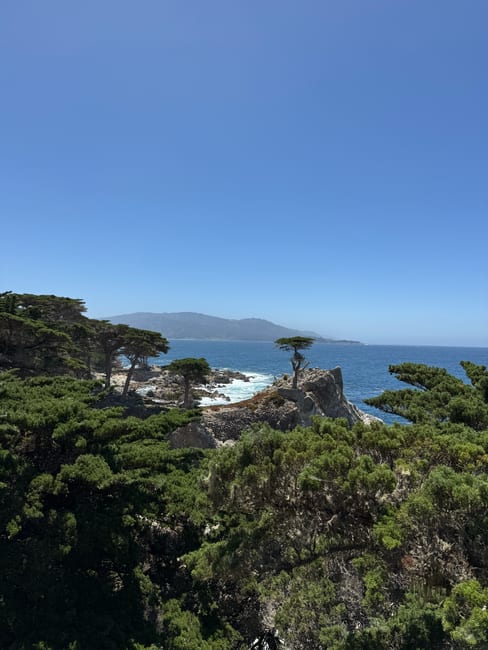
In the afternoon the fog came in off the water the way it always does here, swallowing the tops of the Monterey cypress trees on the headland. We drove out past Lovers Point and walked the recreation trail with our collars up. The cypresses are wind-bent, ancient-looking, clinging to the rocks with a stubbornness I found beautiful. A harbor seal watched us from a slab of granite, unbothered. Lia said the whole place felt like it was holding its breath, and she was right — Monterey has that quality of a coast that has seen a lot and decided to stay calm about it.
Getting There
Monterey sits about two hours south of San Francisco and roughly forty minutes off Highway 101 via Salinas. We came up the coast on Highway 1 from Big Sur, which is the slow, spectacular way and worth every white-knuckle curve. If you’re flying, the small Monterey Regional Airport handles regional flights, but most travelers land at San Jose or San Francisco and drive down. Bring a warm layer no matter the season — the bay stays cool and the fog has its own schedule. We parked once near Cannery Row and walked everywhere after; it’s that kind of town.